
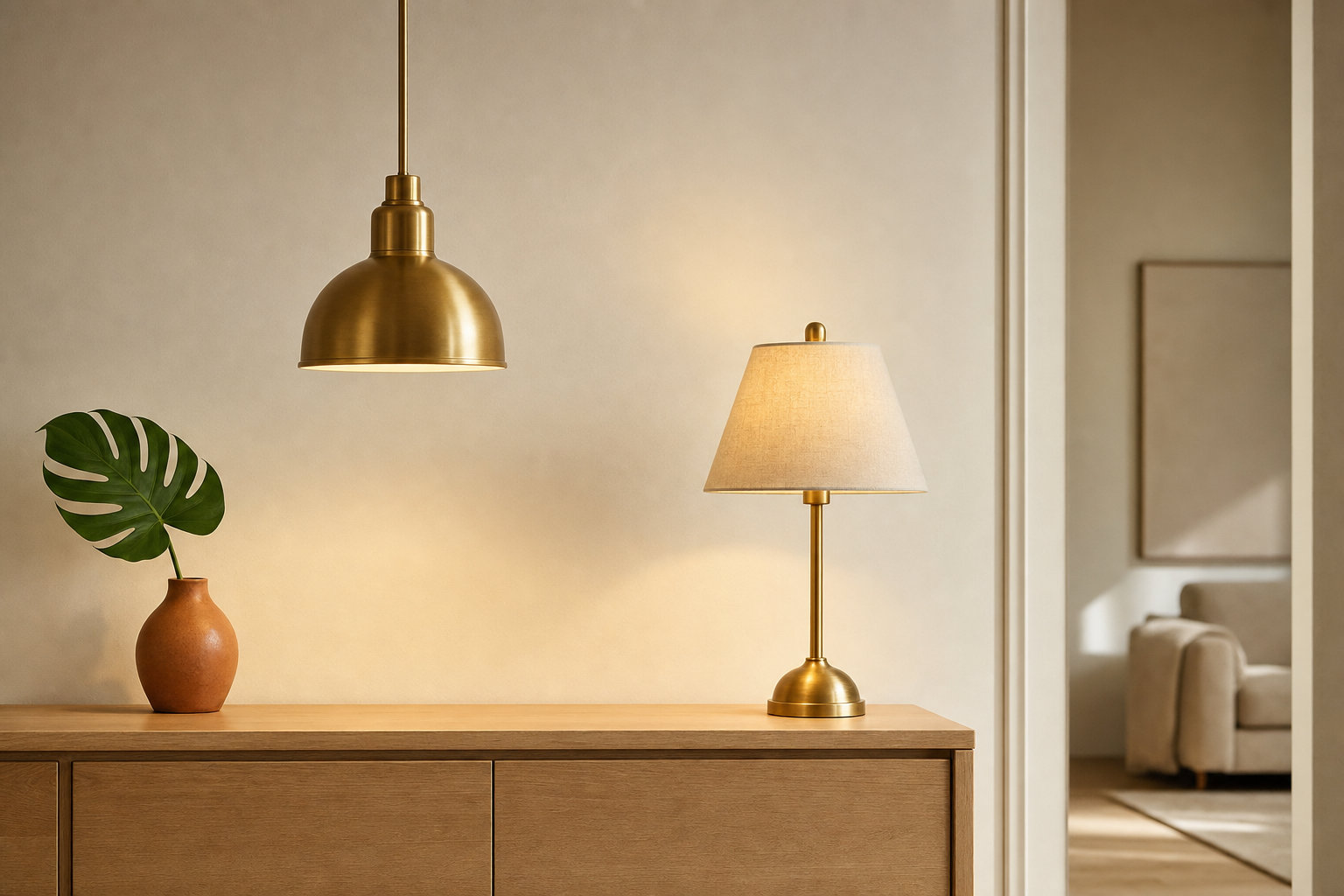
Creating a cohesive home décor relies on more than furnishings and paint. The selection and coordination of lighting fixtures play a crucial role in establishing flow and atmosphere. Carefully chosen lighting ties home spaces together, while inconsistent choices can undermine harmony.
Lighting is central to a home’s design story, impacting not only appearance but also comfort and how each space is experienced. The Visual Comfort Signaure Collection, available in various finishes and silhouettes, can serve as inspiration for creating a unified aesthetic. Coordinated fixtures ensure that design elements, such as material or shape, consistently repeat across rooms. This makes it easier to avoid pitfalls like mismatched finishes or clashing color temperatures. With an organized approach to lighting selections, rooms become more inviting and the overall look more seamless.
Why strategic coordination enhances home environments
Intentional fixture selection creates a sense of connection throughout the home. Maintaining consistency in finishes and styles prevents spaces from feeling visually disjointed, supporting a smoother transition from one area to another.
Problems often stem from mixing finishes without direction or ignoring the importance of fixture scale. Choosing bulbs with varying color temperatures can also disrupt cohesion, making movement between rooms less comfortable for the eyes. Simple steps, such as using similar materials and aligning scale to room size, can resolve these common issues.
Establishing finishes and lighting language from the start
Defining a “lighting language” involves selecting a primary finish and possibly a complementary accent. Doing so sets clear parameters, so fixture choices feel deliberate and unified rather than accidental.
Once you decide on your general style—such as modern, traditional, or transitional—repeat key shapes or materials throughout the property. Determine early if prominent statement lights or understated fixtures will be used as focal points; this helps maintain a balance between unity and variety while achieving a cohesive result.
Layering strategies and proportional fixture guidance
Layering types of light—ambient, task, and accent—adds depth and flexibility to any room. Using consistent bulb color temperatures where practical means transitions between rooms feel natural and comfortable.
Visual Comfort pieces, used as reference throughout multiple spaces, show how varied silhouettes or finishes within a collection can still promote unity. Carefully matching fixture size to ceiling height and room proportion ensures lighting fits the context, avoiding fixtures that dominate or seem too small.
Room-specific tactics and a practical coordination checklist
The entryway benefits from a fixture that hints at the finishes or forms used in other rooms. In living areas, a main statement piece balanced by subtler support lights can establish order and interest.
Lighting for kitchens and dining spaces should correspond with hardware finishes and fit the room’s size, while bedrooms appear cohesive with pairs of lamps or mirrored sconces. Maintaining consistency in finish and installation spacing across spaces further reinforces a sense of unity.
To guide coordination, review your fixtures with a checklist: choose one or two key finishes, standardize bulb color temperature, repeat signature shapes or details, and identify focal fixtures for primary areas. Following these steps supports a cohesive and well-planned lighting scheme for the home.
