
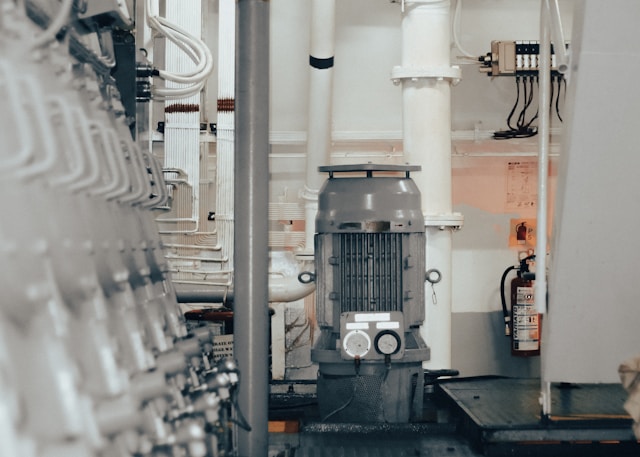
Water can become one of the most damaging forces a homeowner faces. A small amount of moisture entering a basement or crawl space may seem manageable at first, but repeated water intrusion can eventually damage flooring, walls, stored belongings, and other parts of the home. For houses with basements or areas susceptible to groundwater, a properly functioning sump pump can provide an important layer of protection.
What Does a Sump Pump Do?
A sump pump is typically installed in a specially constructed pit located at the lowest portion of a basement or crawl space. Groundwater and drainage water are directed toward this pit rather than being allowed to collect throughout the surrounding area.
As the water level inside the pit rises, a float or electronic sensor activates the pump. The pump then moves the collected water through a discharge pipe and away from the home’s foundation.
The process is relatively simple, but it can make a major difference during periods of heavy rain or elevated groundwater.
Why Sump Pumps Are Important
Basement water problems can occur for several reasons. Heavy rainfall may saturate the soil surrounding a foundation, while changing groundwater levels can increase pressure around basement walls and floors.
A sump pump gives this water a controlled place to collect and a method for removing it before it becomes a larger problem.
Homeowners considering an Indianapolis sump pump company should have their existing system evaluated to determine whether the pump is properly sized, operating reliably, and discharging water to an appropriate location. A professional evaluation can also identify aging equipment or installation problems that may prevent a pump from performing when it is needed most.
Signs Your Sump Pump May Need Attention
Sump pumps are mechanical devices, and they do not last forever. Regular inspection is important, particularly when a system has been installed for many years.
Unusual noises are one potential warning sign. Grinding, rattling, or excessive vibration may indicate problems with the motor, impeller, or other internal components.
A pump that runs continuously should also be investigated. Continuous operation can sometimes indicate an incorrectly adjusted switch, insufficient pump capacity, or an unusually high amount of incoming water.
Homeowners should also pay attention to pumps that fail to activate when water enters the sump pit. A stuck float switch or electrical problem can prevent the system from operating.
The Importance of Proper Sump Pump Sizing
Selecting a sump pump involves more than simply purchasing the most powerful model available. The appropriate pump depends on the amount of water entering the sump pit, the vertical distance the water must be lifted, and the length and configuration of the discharge line.
An undersized pump may struggle during heavy rainfall. An oversized pump can cycle on and off too frequently under certain conditions, potentially contributing to unnecessary wear.
Professional installation helps ensure the pump and discharge system are designed for the specific conditions of the home.
Consider a Battery Backup System
One potential weakness of a traditional sump pump is its dependence on household electricity. Unfortunately, severe storms that produce heavy rainfall can also cause power outages.
A battery backup sump pump provides an additional level of protection. If electrical service is interrupted, the backup system can automatically begin removing water from the sump pit.
Backup systems can also provide protection if the primary pump experiences a mechanical failure or cannot keep up with unusually high water volume.
Homeowners with finished basements, valuable belongings stored downstairs, or a history of basement water problems may find backup protection particularly worthwhile.
Don’t Forget the Discharge Line
The pump itself is only part of an effective sump pump system. Water must also be discharged to an appropriate location away from the foundation.
A blocked, damaged, or improperly positioned discharge line can reduce the effectiveness of even a high-quality pump. During colder weather, exposed discharge lines may also be vulnerable to freezing if they are not configured correctly.
Checking the discharge area periodically can help identify problems before the next major storm.
Routine Testing Can Prevent Surprises
Homeowners do not have to wait for heavy rain to find out whether their sump pump works. Periodic testing can usually be performed by carefully adding water to the sump pit until the float rises enough to activate the pump.
The pump should turn on automatically, remove the water, and shut off once the water reaches the appropriate level.
If the pump does not activate or remove water efficiently, it should be inspected before it is needed during an actual storm.
Protecting Your Home From Unexpected Water
A sump pump is easy to overlook because it may remain inactive for long periods. However, when groundwater rises or a major storm arrives, the system can suddenly become one of the most important pieces of equipment in the home.
Proper sizing, professional installation, routine testing, and backup protection can significantly improve reliability. Taking care of a sump pump before severe weather arrives gives homeowners greater confidence that their basement or crawl space has an effective defense against unwanted water.
