
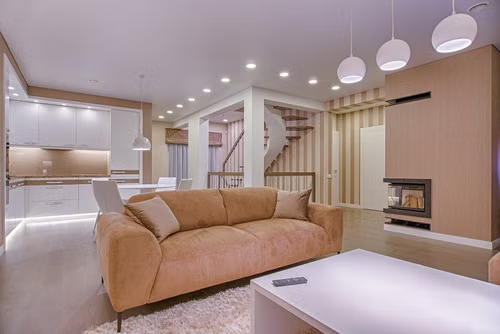
Photo by Viaceslav Kat on Pexels
Your home could be costing you more money than it should. An aging appliance, drafty window, or inefficient fixture may seem harmless on its own, but these small sources of waste can quickly add up, increasing your monthly bills.
The U.S. Department of Energy estimates that heating and cooling account for about 50% of energy use in the average American household. That makes home efficiency an important part of keeping monthly expenses under control.
Fortunately, a few well-chosen upgrades can make your home more efficient, reduce unnecessary energy and water use, and potentially save you money over time. Here are five upgrades worth considering.
Upgrade Your Windows
Old or poorly sealed windows can allow heated and cooled air to escape, forcing your HVAC system to work harder. Upgrading to energy-efficient windows can improve insulation and reduce unwanted heat transfer into and out of your home. However, if you can’t afford to change all of your windows at once, start with the ones that create drafts or receive the most direct sunlight.
Install Water-Efficient Plumbing Appliances
Water waste can quickly increase household expenses. A running toilet, dripping faucet, or outdated shower head can waste a significant amount of water over time. It can be expensive to waste water. This is where plumbing upgrades that save water can make a difference.
Consider installing water-efficient fixtures such as low-flow showerheads, high-efficiency toilets, and faucet aerators. Make sure to check for any leakage in your house. Even small leaks can waste large amounts of water.
Install a Smart Thermostat
There is little benefit in heating or cooling an empty house. However, it is easy to forget to change the temperature settings before leaving for the office or for sleep. A programmable or smart thermostat can automatically adjust temperatures based on your schedule.
It reduces energy use when you are not around and sets the temperature to comfortable levels before you come back. Some modern thermostats also measure the energy consumption of your house and help you learn where exactly you are wasting energy.
Switch from Conventional Bulbs to LED Bulbs
This is one of the easiest and most affordable upgrades you can make. LED bulbs use much less energy compared to conventional incandescent bulbs and could last much longer as well. You get to save on both electricity and the cost of repeatedly replacing bulbs. You can start by changing the lights you use most, such as the kitchen and living room lights.
Opt for Energy-Efficient Appliances
Major appliances in your home, such as refrigerators, dishwashers, dryers, and air conditioning units can have a significant impact on your electricity bill. So, if you are going to replace old appliances, check its energy consumption before buying it.. Sometimes the cheapest appliances aren’t the cheapest in the long run. Although an energy-efficient appliance may cost more in the beginning, it will significantly reduce electricity consumption and save you money over time.
Endnote
Start with areas that contribute most to your monthly expenses. If you notice that your electricity bills are still high, make the other changes gradually. When planning upgrades, consider both the upfront costs and the long-term savings they can provide. Ideally, each improvement you make should make your house more efficient and continue saving you money long after the initial installation is done.
