
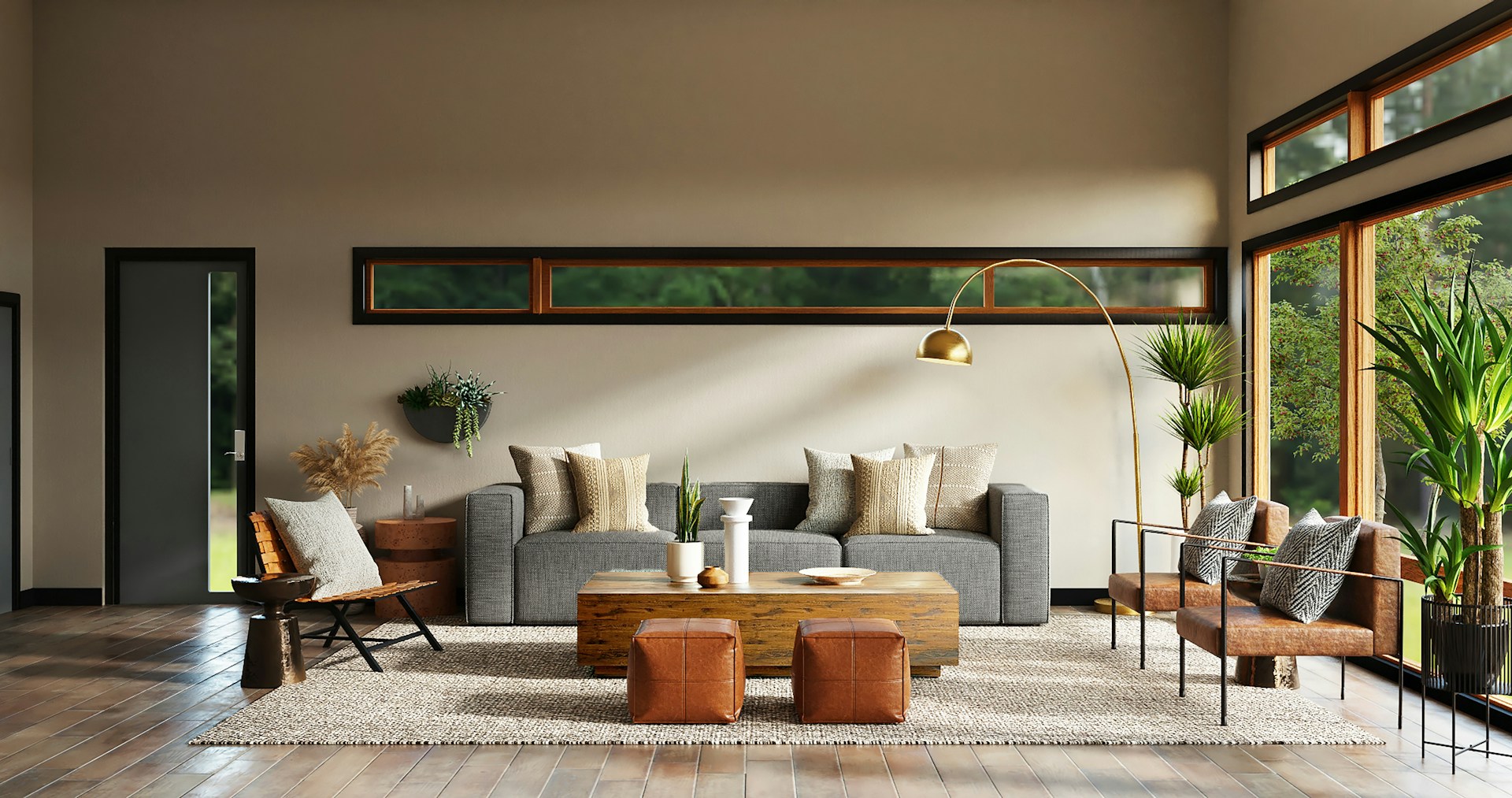
A beautifully designed home starts long before paint colors, furniture, or decorative accents are selected. The foundation of a successful project is choosing someone who understands your vision, respects your budget, and has the experience to bring everything together. Whether you’re remodeling a single room or transforming an entire house, finding the right design professional can make the entire process smoother and far more enjoyable.
Instead of rushing into a decision based solely on attractive portfolios, it’s worth taking the time to evaluate how a designer works, communicates, and collaborates with clients.
Start by Defining Your Project Goals
Before contacting any designer, spend some time clarifying what you want to accomplish. Every project has different priorities, and knowing yours helps narrow down the right fit.
Ask yourself:
- Are you renovating, decorating, or building from scratch?
- Do you need full-service project management or simply design guidance?
- What is your realistic budget?
- Are there specific styles or features you want to incorporate?
Once your goals are established, you can begin comparing professionals with confidence rather than relying solely on first impressions.
Understand the Designer’s Style and Experience
Every designer has strengths, specialties, and a unique creative approach. While versatility is valuable, it’s helpful to choose someone whose previous work aligns with your vision.
Review Past Projects
Look beyond polished photographs. Pay attention to how designers solve practical challenges, maximize space, balance lighting, and create cohesive interiors. A consistent level of quality across multiple projects often says more than one standout design.
Ask About Similar Projects
Experience with projects similar to yours can reduce unexpected issues during construction or renovation. If you’re planning a kitchen remodel, for example, ask about previous kitchen transformations rather than focusing only on living room designs.
When researching options, browsing an interior design company portfolio can provide insight into its design philosophy, project range, and approach to client collaboration, without relying solely on promotional claims.
Look Beyond Beautiful Photos
An impressive portfolio attracts attention, but successful projects depend just as much on communication and organization.
Communication Matters
A good designer should be willing to listen before offering solutions. During early conversations, notice whether they ask thoughtful questions about your lifestyle, preferences, and long-term needs.
Clear communication helps prevent misunderstandings later and keeps everyone aligned throughout the project.
Transparency and Process
Understanding how a designer manages projects is equally important. Ask about:
- Design timelines
- Revision policies
- Contractor coordination
- Material selection
- Budget tracking
- Project updates
A structured process often leads to fewer surprises and a more enjoyable experience.
Budget, Timeline, and Expectations
One of the biggest misconceptions about interior design is that higher costs automatically produce better results. In reality, success often comes from thoughtful planning, realistic budgeting, and effective decision-making.
Discuss financial expectations openly from the beginning. Ask how pricing works, what services are included, and how unexpected expenses are handled.
Likewise, establish a realistic timeline. Material availability, custom furniture, permits, and contractor schedules can all affect completion dates. Designers who communicate these possibilities early help clients prepare rather than become frustrated later.
Remember that flexibility is often necessary during home improvement projects, but transparency should never be optional.
Questions Worth Asking Before You Commit
Choosing the right professional becomes much easier when you ask meaningful questions during consultations.
Consider discussing:
- How will you communicate throughout the project?
- Who will be my primary point of contact?
- How do you handle design revisions?
- What happens if unexpected issues arise?
- Can you provide references from recent clients?
- How do you balance aesthetics with functionality?
The answers reveal not only experience but also professionalism, organization, and compatibility.
Making a Decision You Can Feel Good About
Hiring a designer is more than selecting someone with great taste. It’s choosing a partner who will help shape the spaces where you spend your everyday life.
Take time to compare experience, communication style, project management, and client feedback alongside design quality. The right professional should make you feel informed, respected, and confident throughout the process.
A carefully chosen designer can help transform ideas into practical, beautiful living spaces while reducing stress along the way. By approaching the selection process thoughtfully, you’ll be in a much stronger position to enjoy both the journey and the finished result.
