
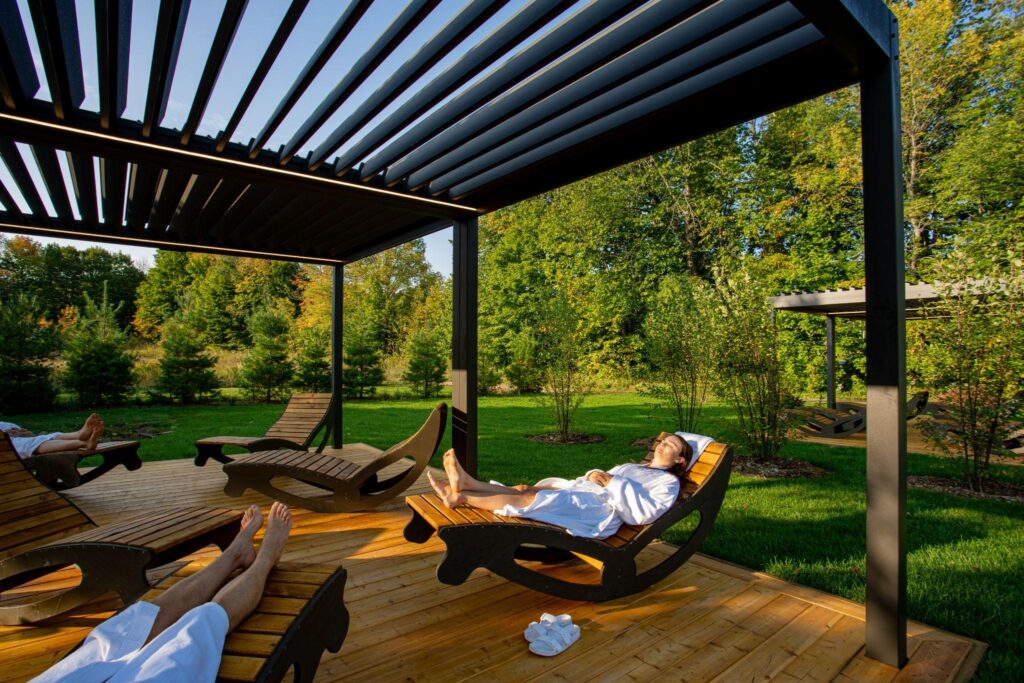
In Canada, a pergola should withstand snow, wind, rain, UV exposure, and the recurring freeze-thaw cycles. Appearance is secondary to performance. Lifespan, maintenance costs, and long-term performance depend on engineering, materials, load ratings.
A Backyard Upgrade Should Work in Real Weather
Pergolas are exposed to the weather every single day of the year, so real-world loads matter. When picking one, people tend to look at how it looks, but product selection should start with the technical specifications first, not the appearance you see at the moment, even if it seems pretty.
If someone is looking for an aluminum pergola Canada, the best move is to compare snow loads, wind ratings, drainage solutions, and structural engineering details. Skip the part where you weigh location or marketing claims, and don’t get distracted by showroom photos either, because those things rarely tell you how the frame will hold up.
Primary evaluation criteria:
- Snow-load capacity.
- Wind-load rating.
- Corrosion resistance.
- Drainage design.
- Structural warranty.
Why Canadian Conditions Set a High Standard
Canadian weather tests every structural component. Snow loads affect beams, louvers, and posts. Freeze-thaw cycles stress drainage systems, fasteners, and moving parts. Wind creates uplift and lateral loads. Rain tests water management systems.
The same requirements apply across the northern U.S. states, the Great Lakes region, New England, the Pacific Northwest, and the mountain regions. Products engineered for Canadian conditions generally meet higher durability requirements than systems designed for warm climates.
Performance ratings matter more than advertised features. Structural calculations matter more than visual renderings.
What to Look for in Materials
Aluminum is preferred because it does not rust, requires limited maintenance, and maintains dimensional stability.
Key material requirements include powder-coated aluminum, corrosion-resistant fasteners, reinforced structural posts, engineered louvers, and integrated drainage channels.
Drainage should move water through internal systems. Roof components should maintain alignment under repeated loading. Hardware should resist corrosion and seasonal temperature changes. Material quality directly affects lifespan, maintenance requirements, and long-term durability.
How to Compare Imported and North American-Made Pergolas
Price alone does not determine value. Imported products may offer lower upfront costs but often provide fewer customization options, longer replacement-part lead times, and limited technical support.
Compare the following:
- Replacement part availability.
- Technical support access.
- Delivery timelines.
- Custom sizing capability.
- Climate-specific engineering.
North American manufacturers typically design for regional weather requirements and provide faster support when components require replacement or adjustment. Warranty coverage and service responsiveness should also be considered during evaluation. Long-term ownership costs often depend on parts availability, technical support, and the ability to maintain the system efficiently throughout its service life.
Design Choices That Make the Pergola Feel Like Part of the Home
Design should support architecture. Color should match exterior finishes. Privacy screens should address exposure rather than serve as decoration. Lighting should be integrated into the structure. Furniture layout should define circulation and functional zones. Landscaping should connect the pergola to the house and the surrounding yard. The objective is integration, not visual emphasis.
Design consistency also depends on proportions and placement. Post spacing, roof dimensions, and pergola orientation should align with the scale of the house. Material finishes should complement windows, doors, and exterior cladding. Integrated drainage and concealed hardware help maintain a clean appearance. Well-planned connections between indoor and outdoor spaces improve both functionality and visual continuity.
A Better Pergola Is a Long-Term Outdoor Living Decision
A pergola is a structural investment. Selection should be based on engineering, materials, weather performance, maintenance requirements, warranty coverage, and how well local support is available.
The most reliable products tend to bundle verified load ratings, corrosion resistance, dependable drainage, local support, and architectural fit. These factors have a greater impact on long-term performance than appearance, extra accessories, or the first price you see.
