
Earthquakes test a house in seconds, yet the damage can shape years of repair, expense, and strain. Safety depends less on luck and more on how the structure is tied together, how heavy items are restrained, and how fire risks are reduced after shaking. Owners who study local hazard patterns, inspect older details, and plan upgrades in the right order give their property a far better chance of protecting the people inside.
Risk Starts at Home
No house responds the same way during ground motion. Site soil, slope, age, roof weight, and earlier alterations all affect performance. Before any retrofit begins, homeowners benefit from plain-language earthquake house protection guidance that explains hazard zones, framing weak spots, and common failure points. That kind of reference keeps spending focused on real structural needs rather than surface fixes that leave critical connections untreated.
Reliable Guidance Matters
Sound advice begins with local building departments, licensed engineers, and retrofit contractors who know regional conditions. Public hazard maps show where stronger shaking, liquefaction, or slope failure may occur. Permit files can reveal whether earlier work met code at the time. Clear direction matters because two houses on the same street may need very different upgrades, based on crawl space framing, foundation type, or added masonry.
Foundation Connections
The joint between the wood frame and the foundation often decides whether a house stays in place. Older homes may sit on concrete with little anchorage. Bolts and steel plates help limit sliding during strong movement. Short cripple walls also need plywood bracing when present. Hidden areas deserve close inspection, since failure below the floor can spread upward into walls, finishes, windows, and utility lines.
Heavy Items Cause Injuries
Serious injuries often come from contents, not total collapse. Tall bookcases can topple, water heaters may tear gas lines, and upper cabinets can throw glass across kitchens. Straps, latches, and sturdy wall fasteners sharply lower those risks. Breakable items belong on lower shelves where possible. These actions are inexpensive yet protect escape routes and reduce the risk of cuts, burns, or blunt trauma.
Fire Can Follow Shaking
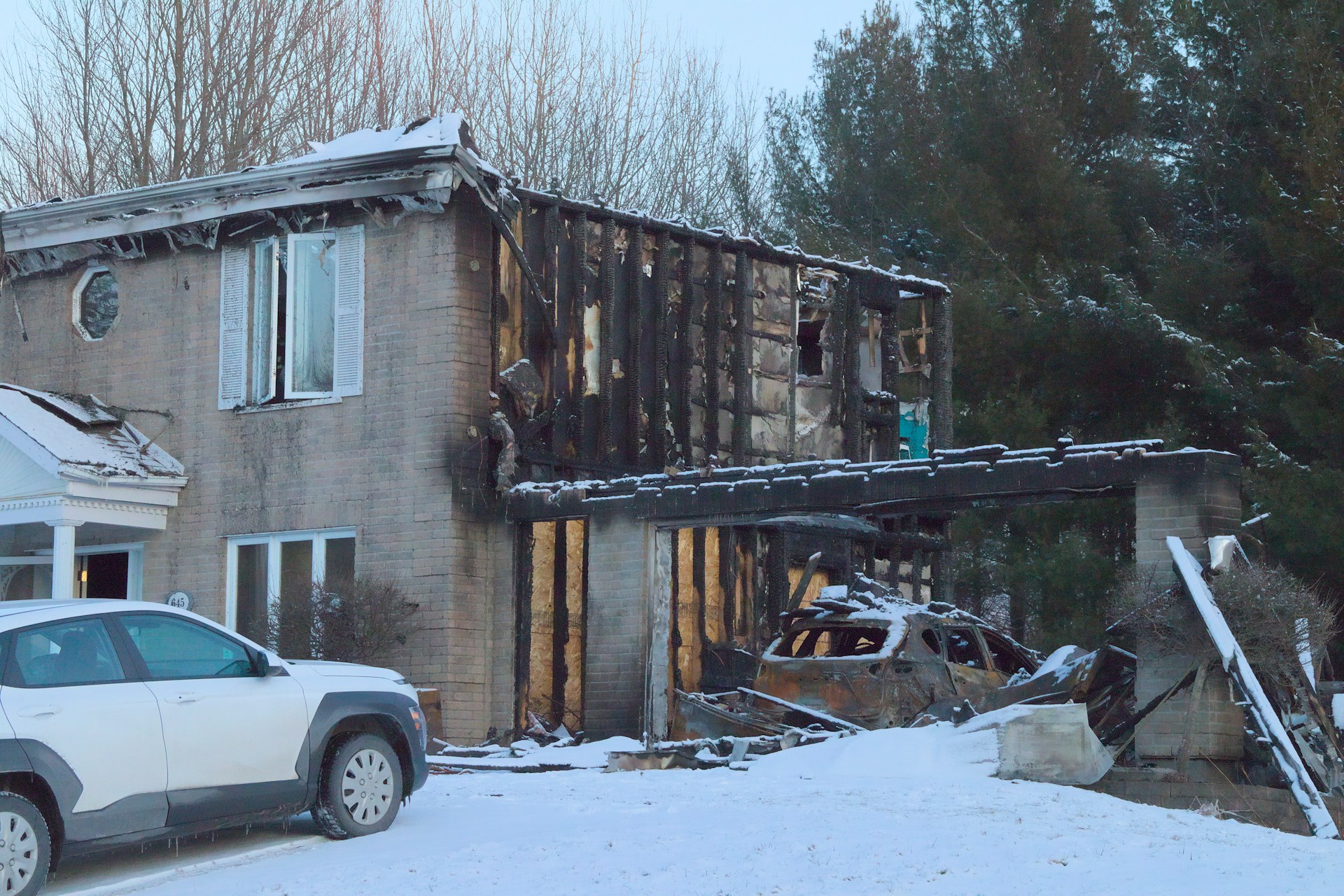
Ground movement can trigger a second emergency inside the house. Damaged gas piping, frayed wiring, and shifted appliances may start a fire after the tremor ends. Flexible connectors reduce strain on fuel and water lines. Automatic shut-off valves provide an additional safeguard in some homes. Residents should also know the locations of manual shutoffs. No one should strike a flame or use switches until leaks are ruled out.
Masonry Needs Extra Care
Brick and stone features often fail in a brittle, dangerous way. Chimneys can crack above the roofline and drop debris through attic framing. Fireplace surrounds may loosen and scatter fragments into the living space. Veneer can pull away if anchors are weak or corroded. A targeted retrofit may include bracing, rebuilding, or partial removal. Visible leaning, open mortar joints, and past patching all merit skilled review.
Insurance and Records
Structural upgrades reduce damage, but paperwork shapes recovery after the event. Insurance limits should reflect current rebuilding costs, not purchase price alone. A room-by-room photo record helps support claims and item counts. Receipts for major improvements, contractor reports, and permit approvals belong in secure digital storage. Those records also help future inspectors or buyers assess prior work. Good documentation saves time when pressure is high.
Family Plans Save Time
A safer house works best with a practiced household plan. Each family needs clear meeting points, emergency contacts, and exit options if doors jam or stairs fail. Water storage deserves early attention because broken mains can interrupt supply for days. Kits should include medicine, flashlights, batteries, sturdy shoes, gloves, and simple food. Regular drills build faster reactions, which help people drop, cover, and hold on without freezing.
Choosing the First Upgrade
Most owners cannot address every weakness at once, and they do not need to. The first step should be a focused inspection that ranks the largest structural threats. One property may require foundation bolting before anything else. Another may gain more from chimney bracing or water heater restraint. Order matters because smart sequencing prevents wasted spending, keeps work practical, and directs funds where protection improves most.
Conclusion
Earthquake-proofing works best as a set of informed decisions, made in the right sequence and tied to the house that actually stands on the site. Stronger foundation connections, restrained contents, safer utility lines, and clear family planning each reduce a different kind of harm. Owners who act on verified conditions, rather than guesswork, place themselves in a much stronger position after severe shaking, with fewer injuries, lower losses, and a steadier path back home.
