
TBP Hot water systems are vital for everyday comfort, yet they are often overlooked until something goes wrong. A sudden breakdown can leave households without hot showers, clean dishes, or properly sanitized laundry. While repairs are inevitable over the lifespan of any system, regular maintenance can dramatically reduce the frequency and cost of those repairs. By taking proactive steps, homeowners not only extend the life of their hot water systems but also save money in the long run.
Preventing Sediment Buildup
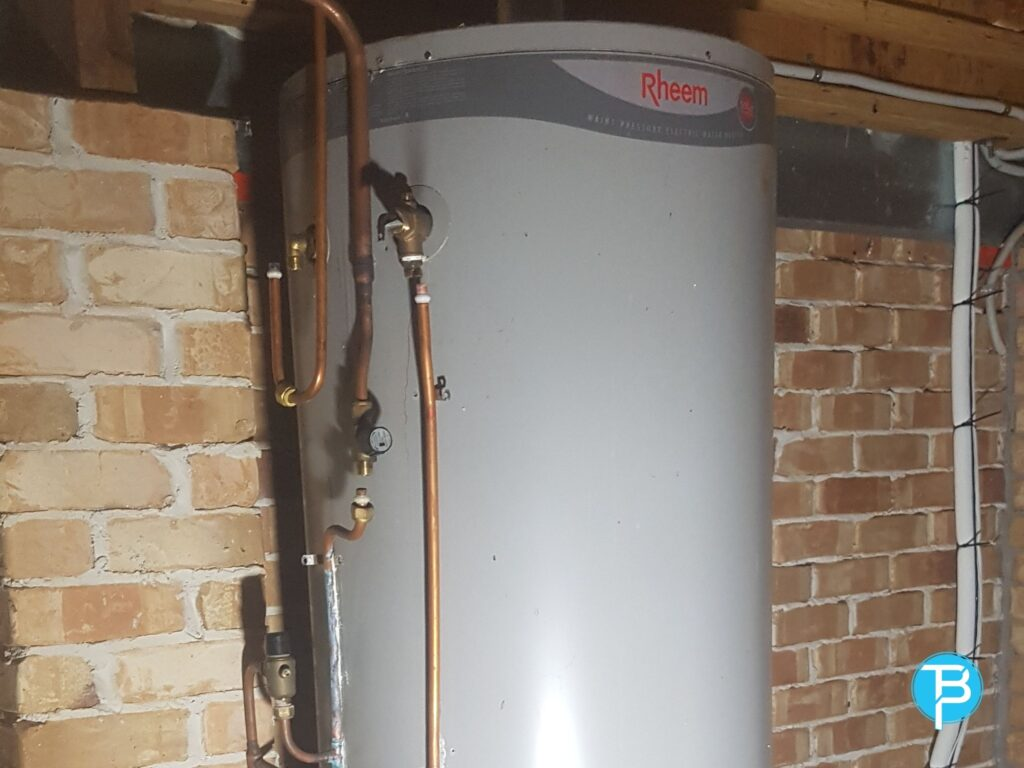
One of the most common issues in hot water systems is sediment accumulation. Minerals from hard water settle at the bottom of the tank, forming a layer that interferes with heating efficiency. This buildup forces the system to work harder, consuming more energy and increasing wear on components. Regular flushing of the tank removes sediment before it becomes problematic. This simple maintenance task prevents overheating, reduces strain on the heating element, and minimizes the risk of costly repairs.
How to Detect and Repair a Leaky Shower
Protecting the Anode Rod
The anode rod is a crucial component designed to attract corrosive elements in the water, protecting the tank from rust. Over time, the rod deteriorates and loses effectiveness. If it is not replaced, the tank itself begins to corrode, leading to leaks and eventual failure. Inspecting and replacing the anode rod every few years is a relatively inexpensive maintenance step that can prevent the need for a full system replacement. By safeguarding the tank, homeowners avoid one of the most expensive repair scenarios.
Ensuring Efficient Heating
Thermostats and heating elements are responsible for maintaining consistent water temperature. Without maintenance, these parts can malfunction, leading to lukewarm water or fluctuating temperatures. Regular checks ensure that thermostats are calibrated correctly and heating elements are functioning as intended. Addressing minor issues early prevents them from escalating into complete failures that require costly replacements. Efficient heating also reduces energy bills, providing financial benefits beyond repair savings.
Detecting Leaks Early
Leaks are among the most damaging hot water system problems, often leading to water damage in surrounding areas. Small leaks may go unnoticed until they cause significant harm. Routine inspections allow homeowners to spot leaks early, whether from valves, connections, or the tank itself. Prompt repairs of minor leaks are far less expensive than dealing with structural damage or replacing an entire system. Early detection is key to minimizing both repair costs and collateral damage.
Emergency Repairs 101: How to Handle Common Household Crises
Extending System Lifespan
Regular maintenance extends the overall lifespan of hot water systems. A well-maintained unit can last several years longer than a neglected one. This longevity translates into fewer replacements over time, saving thousands of dollars. By investing in routine care, homeowners maximize the value of their system and avoid the financial burden of premature replacement.
Reducing Emergency Repairs
Emergency repairs are often the most expensive because they require immediate service and may involve significant damage. Preventive maintenance reduces the likelihood of sudden breakdowns, meaning homeowners can schedule repairs at convenient times and avoid premium emergency service fees. This proactive approach not only saves money but also reduces stress during unexpected failures.
Improving Energy Efficiency
Maintenance does more than prevent repairs; it also improves energy efficiency. Clean tanks, functional heating elements, and properly calibrated thermostats ensure that the system operates at peak performance. Efficient systems consume less energy, lowering utility bills. Over time, these savings add up, complementing the reduced repair costs to provide substantial financial benefits.
Why Professional Installation Matters for Water Heaters
Conclusion
Hot water systems are essential, but they require care to remain reliable and cost-effective. Regular maintenance prevents sediment buildup, protects the anode rod, ensures efficient heating, detects leaks early, and extends the system’s lifespan. By reducing the need for emergency repairs and improving energy efficiency, maintenance directly translates into lower repair costs and long-term savings. For homeowners, the lesson is clear: investing a little time and effort in routine care pays off significantly, keeping hot water flowing smoothly while protecting both comfort and finances.
