
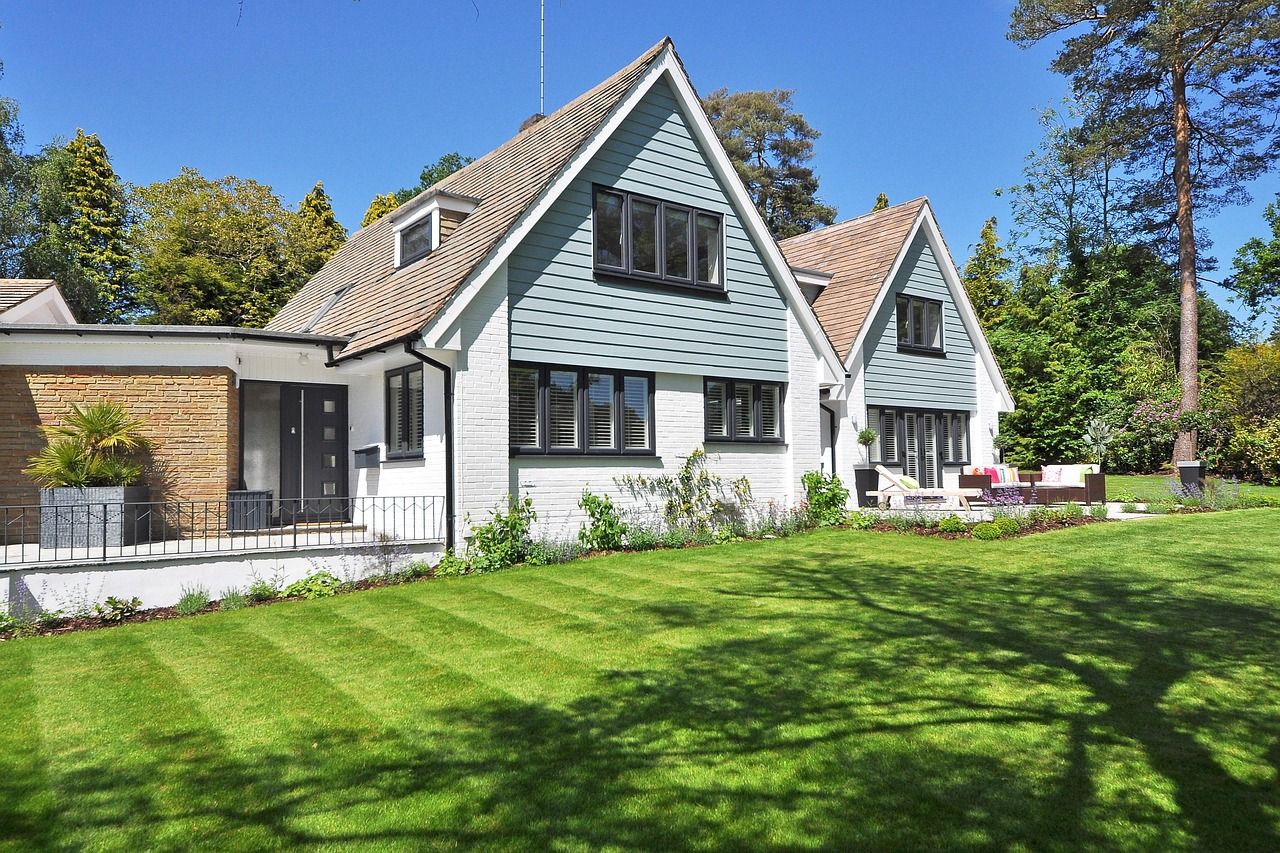
A home’s exterior is more than a visual statement; it is a working system designed to absorb, deflect, and adapt to environmental stress. Over time, the weather does not simply wear things down. It actively reshapes materials, alters structural behaviour, and accelerates or slows deterioration depending on exposure patterns. Understanding how these forces interact with different exterior elements allows homeowners to make smarter maintenance decisions and extend the life of their investment.
Temperature Swings and Material Fatigue
Temperature fluctuations are one of the most underestimated stressors on a home’s exterior. Materials expand when heated and contract when cooled. This constant movement, known as thermal expansion, creates microscopic fractures in siding, paint layers, and sealants. Vinyl siding may warp over time, while wood contracts and expands unevenly, leading to splitting or warping. Even composite materials, designed for durability, eventually experience fatigue under repeated stress. Over the years, these minor distortions accumulate, weakening structural integrity and creating entry points for moisture. The result is not immediate failure but a gradual compromise.
Moisture Intrusion and Hidden Decay
Rain, humidity, and condensation introduce one of the most destructive forces: water. Unlike temperature, moisture does not merely stress materials, but transforms them. Wood rots, metal corrodes, and even concrete become vulnerable through freeze-thaw cycles.
What makes moisture particularly damaging is its ability to penetrate beneath surfaces. Water seeps through tiny cracks in siding or around improperly sealed windows, settling into structural layers where it remains undetected. Over time, this leads to mold growth, insulation degradation, and compromised framing. Proper drainage systems and exterior sealing play a critical role in mitigating this risk.
Sun Exposure and Ultraviolet Degradation
Sunlight can break a home façade at a molecular level. Ultraviolet (UV) radiation degrades polymers in paint, vinyl, and sealants, causing fading, brittleness, and eventual cracking. South and west-facing walls typically show more rapid deterioration due to prolonged sun exposure.
Paint loses its protective elasticity, making surfaces more susceptible to moisture intrusions. Plastics and synthetic materials become brittle, reducing their ability to withstand impact or movement. Even natural materials like wood suffer under intense sunlight.
Wind Pressure and Structural Stress
Wind is often associated with dramatic damage, but its long-term effects are more subtle and equally significant. Constant wind pressure tests the resilience of siding, fasteners, and joints. Over time, it loosens components and creates small gaps that allow air and moisture to enter.
More importantly, wind exposes weaknesses in a home’s structural envelope. Areas that are not properly sealed or reinforced become vulnerable points. In such situations, it’s best to call on professionals like Results Roofing Company, who can help with repair or replacement.
Air Quality and Chemical Exposure
Environmental pollutants play a less visible but equally important role in exterior degradation. In urban and industrial areas, airborne chemicals can settle on surfaces and react with materials over time.
For example, acidic compounds accelerate the breakdown of paint and metal. Salt in coastal air promotes corrosion, particularly on fixtures and fasteners. Even in less extreme environments, everyday pollutants contribute to a gradual decline in material performance, and these effects are cumulative.
Endnote
Weather does not act as a single force but as a complex system of interacting elements that continuously shape a home’s exterior. Temperature, moisture, sunlight, wind, and air quality each contribute to a gradual but inevitable process of wear.
