
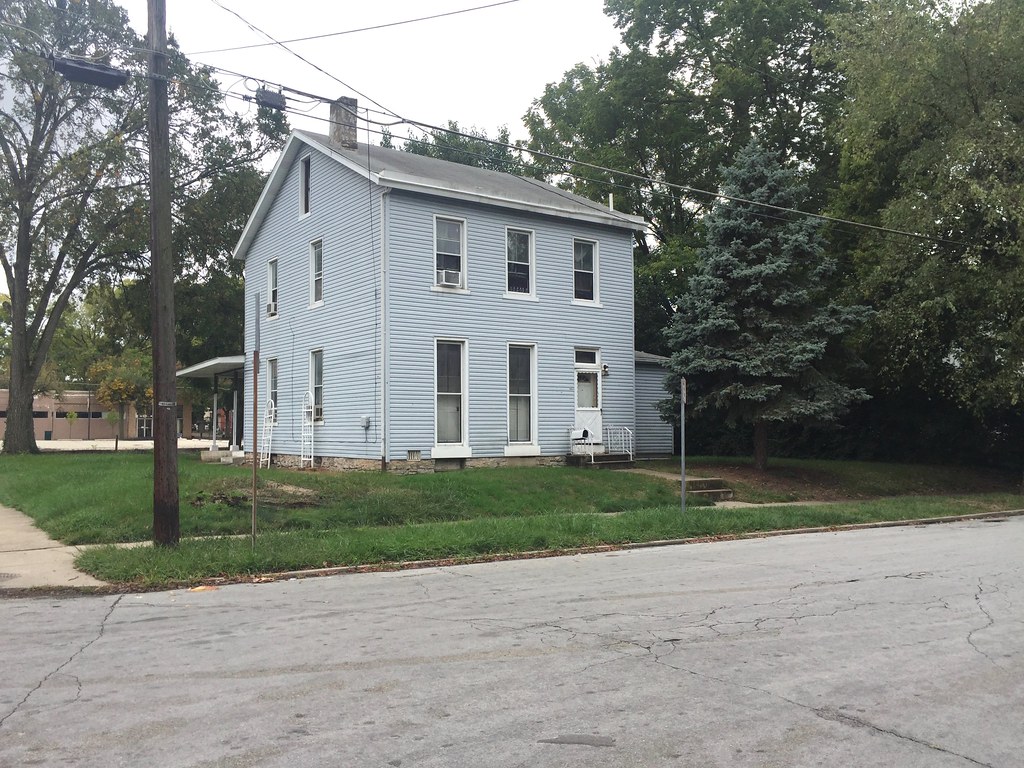
Siding is one of the first things people notice about a home, but its job goes far beyond appearance. It protects the structure from rain, wind, moisture, pests, and seasonal temperature changes. When siding is in good condition, it helps the home look clean, cared for, and properly protected. When it starts to fail, small exterior issues can quickly become expensive problems.
The tricky part is that siding damage is not always obvious at first. A loose panel, a small crack, or a faded section may not seem urgent. However, once moisture or pests get behind the siding, the damage can spread to insulation, trim, walls, and other parts of the home.
Cracked or Broken Siding
Cracks are one of the most common siding problems, and they should not be ignored. Even a small crack can allow water to get behind the siding. Over time, that moisture can lead to mold, rot, and damage to the materials underneath.
Broken siding can also make the exterior more vulnerable during storms. Wind can catch damaged panels and loosen them even more. What starts as one broken piece can turn into a larger section of siding that needs repair or replacement.
If the damage is limited to one small area, a repair may be enough. But if cracks are showing up in several places, it may be a sign that the siding is aging or no longer holding up well.
Loose or Missing Panels
Loose siding is more than a cosmetic issue. Siding is designed to sit securely against the home while still allowing for natural expansion and movement. When panels become loose, they can let in water, dirt, insects, and cold air.
Missing panels are even more serious because they leave part of the home exposed. The area underneath may not be built to handle direct exposure to rain, snow, or sun. If missing siding is not fixed quickly, it can lead to moisture damage and higher repair costs.
Homeowners should check for loose panels after strong winds or storms. If you hear rattling or notice sections pulling away from the home, it is best to address the issue as soon as possible.
Warping or Buckling
Siding should look smooth and even. If you notice panels that are warped, wavy, or buckled, something may be wrong underneath or with the way the siding was installed.
Warping can happen because of heat, moisture, age, or poor installation. Buckling may occur when siding was nailed too tightly, preventing it from expanding and contracting properly. In some cases, warped siding can also point to trapped moisture behind the surface.
This type of damage should be inspected because it can affect the siding’s ability to protect the home. If the problem is widespread, replacing the affected sections, or the full siding system, may be necessary.
Moisture Stains or Mold Growth
Moisture is one of the biggest threats to any home exterior. If water gets behind siding, it can create hidden problems long before the homeowner notices serious damage.
Look for stains, dark streaks, green growth, or mold around the siding. Pay close attention to areas near windows, doors, corners, gutters, and the bottom of exterior walls. These spots are more likely to collect moisture.
Some surface mildew can be cleaned, but recurring mold or staining may be a sign of a deeper issue. If the siding is not draining or sealing properly, cleaning alone will not solve the problem.
Faded or Worn-Out Siding
Fading is common as siding ages, especially in areas with a lot of sun exposure. While fading does not always mean the siding has failed, it can be a sign that the material is getting older and weaker.
When siding becomes faded, brittle, or chalky, it may be more likely to crack or break. It can also make the home look older and less maintained, even if the rest of the property is in good condition.
If fading is uneven or combined with other problems like cracking, warping, or loose panels, it may be time to think about replacement instead of another quick repair.
Gaps Around Windows and Doors
Windows and doors are common places for siding problems to appear. Gaps, loose trim, or poor sealing around these areas can allow water and air to enter the home.
These gaps can lead to drafts, moisture damage, and higher energy bills. They can also cause damage around window frames and door frames if water continues to get in.
Homeowners should check these areas regularly, especially after heavy rain or snow. If you notice peeling paint, soft trim, water stains, or drafts near windows and doors, the siding and exterior sealing should be inspected.
Pest Damage
Damaged siding can create small openings where insects and pests can enter. Once pests find their way behind siding, they can build nests, damage insulation, and create additional problems inside the walls.
Signs of pest damage may include small holes, scratching sounds, nests, droppings, or visible insect activity around the exterior. Wood siding is especially vulnerable, but pests can also take advantage of gaps in vinyl or other siding materials.
Fixing damaged siding and sealing gaps can help prevent pests from getting inside and causing more serious damage.
Higher Energy Bills
Many homeowners do not connect siding problems with energy costs, but damaged siding can affect the comfort of the home. Gaps, cracks, and poor exterior protection can allow outside air to enter and indoor air to escape.
If your home feels drafty or your heating and cooling bills are increasing without a clear reason, the exterior may be part of the problem. Siding works together with insulation, windows, doors, and weather barriers to help protect the home.
Replacing damaged or aging siding can help improve the home’s exterior performance, especially when the project includes proper sealing and moisture protection.
Interior Signs of Exterior Damage
Sometimes the signs of siding problems show up inside the home. Peeling paint, bubbling wallpaper, water stains, or damp spots on interior walls may be connected to moisture getting through the exterior.
This is especially true if the issue appears on walls that face the outside. Water can enter through damaged siding, gaps around windows, or poorly sealed exterior details.
If you see interior moisture problems, do not assume it is only an indoor issue. The siding may need to be checked as part of the solution.
When Repairs Are No Longer Enough
Small siding problems can often be repaired. One cracked panel, one loose section, or a small area of storm damage may not require a full replacement. However, repeated repairs can become a sign that the siding is reaching the end of its useful life.
If you are constantly fixing new issues, struggling to match old siding, or seeing damage across multiple areas, replacement may be more practical. New siding can improve curb appeal, protect the home, and reduce the need for ongoing patchwork.
When siding problems go beyond simple cleaning or small patching, professional siding replacement may be the better long-term solution for protecting the home.
How to Prevent Siding Problems From Getting Worse
The best way to avoid major siding damage is to inspect your home regularly. Walk around the exterior a few times a year and look for cracks, gaps, loose panels, stains, and signs of moisture.
It is also important to keep gutters clean. Overflowing gutters can send water down the siding, increasing the risk of stains, mold, and moisture problems. Trim back bushes and trees that touch the siding, as they can trap moisture and scrape against the exterior.
After storms, take a few minutes to check for damage. Strong wind, hail, and falling branches can damage siding even if the problem is not obvious from a distance.
Final Thoughts
Siding problems may start small, but they can become serious if they are ignored. Cracks, loose panels, moisture stains, warping, and gaps around windows or doors can all affect how well your home is protected.
The sooner you fix siding issues, the easier it is to prevent bigger repairs. Whether your home needs a simple repair or a full siding replacement, paying attention to the early warning signs can help protect the structure, improve curb appeal, and keep your exterior in better condition for years to come.
