
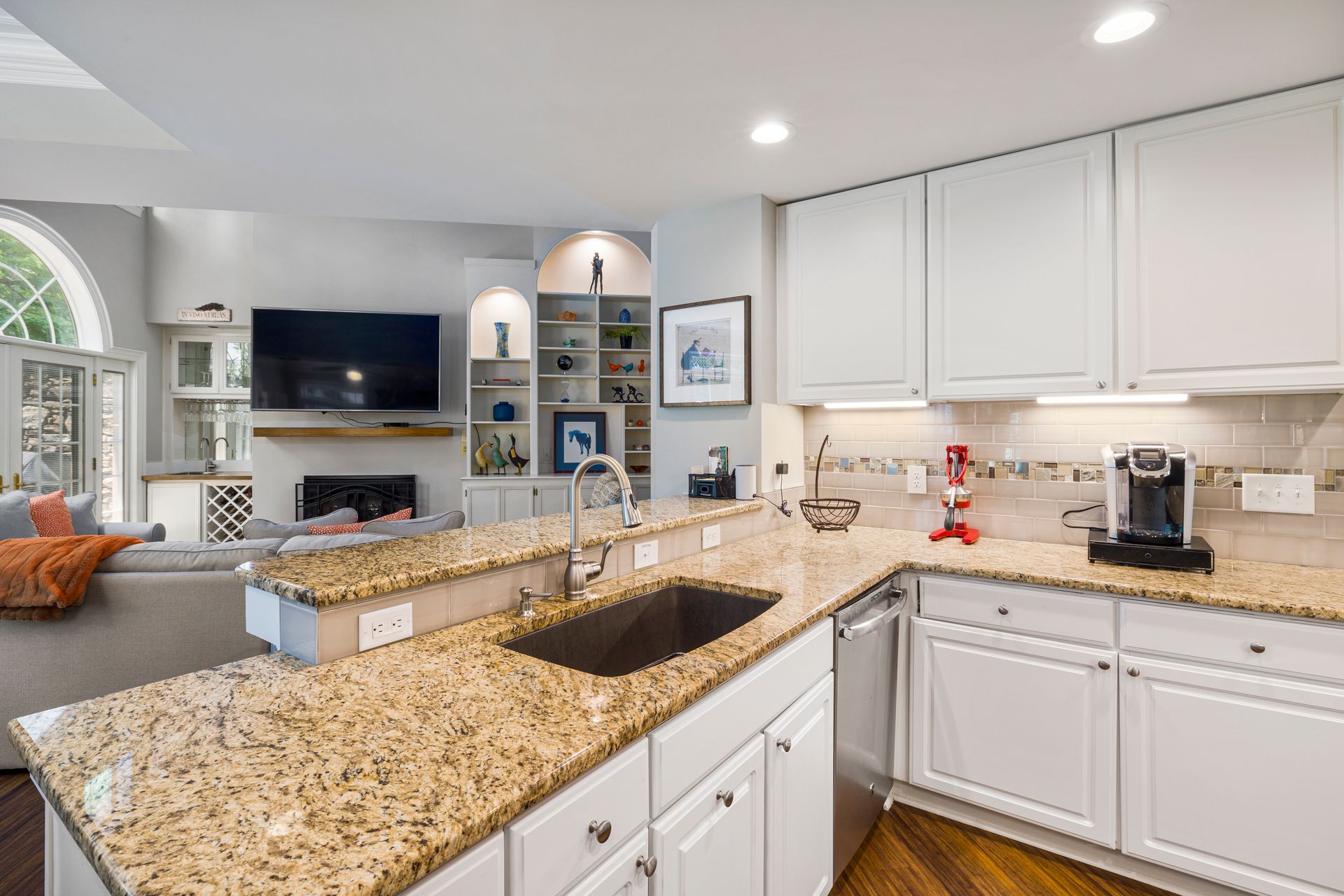
Kitchen remodels almost always get discussed in terms of money. Homeowners compare budgets, weigh materials against finishes, and agonize over where to spend and where to pull back. Those decisions matter, but they don’t tell the whole story — not even close.
The kitchens people end up loving years later are rarely the ones with the priciest features. They’re the ones that work, every single day. They make cooking easier, take the friction out of small routines, keep the room organized, and turn the kitchen into somewhere you actually want to spend time.
That’s what makes a remodel feel worth it long after the dust has settled and the last invoice is paid.
A better layout changes everything
A lot of older kitchens were built around a completely different way of living. Some are sealed off from the rest of the house. Others have traffic patterns that make no sense, barely enough counter to make a sandwich, or appliances stuck in spots that fight you every time you use them.
These quirks feel manageable on a quiet day. They stop feeling manageable when they’re tripping up your routine three times every evening. A better layout rewrites all of that. Meal prep gets easier the moment the key work zones are placed with some thought. A second person can be in the kitchen without the two of you doing a constant sidestep around each other. The room feels less crowded even though the footprint hasn’t changed by an inch.
This is usually one of the biggest payoffs of a remodel, because it improves every single thing that happens in the room rather than just one corner of it.
Storage should work harder
Not enough storage is the complaint you hear most from homeowners about their kitchens. But the problem usually isn’t the quantity — it’s how the storage is organized and where it sits.
Deep drawers tend to beat traditional lower cabinets, because you can actually see and reach what’s at the back instead of crawling in after it. A pantry planned around what your household genuinely buys works harder than a bigger one planned around nothing. Everyday plates stored a step from the dishwasher get put away instead of stacking up. Small appliances given a real home stop colonizing the counter.
When the storage is designed around how you actually live, the kitchen stays organized without a daily battle. The room feels calmer, and a lot of the visual clutter that makes a space feel smaller than it is simply disappears.
Lighting affects more than looks
Good lighting gets filed under style, but its real impact goes well past appearance. Plenty of kitchens lean on one ceiling fixture that leaves the work surfaces in shadow. Try chopping an onion, reading a recipe off your phone, or browning something in a pan when the counter is the dimmest spot in the room — it’s all harder than it needs to be.
Layered lighting fixes that. Task lighting puts brightness exactly where the work happens, while a softer ambient layer keeps the whole room comfortable across the day. Daylight can be coaxed deeper into the space too, with design choices that make the kitchen feel brighter and more welcoming. The result is a room that doesn’t just look better — it works better at 7 a.m. and at 9 p.m.
The room should reflect the way you live
One of the real reasons homeowners commit to a custom kitchen remodel is that it lets the space answer to their needs instead of forcing them to bend around a layout someone designed forty years ago for a different family.
Every household uses a kitchen differently. Some people cook a full dinner every night and need serious prep space. Others entertain constantly and want a layout that pulls people in rather than walling the cook off. Some need room for bulk shopping; others want seating that handles quick breakfasts and homework with equal ease.
When the design is built around those specific priorities, the kitchen becomes genuinely useful, because it’s tailored to one real life instead of an average of everyone’s.
Quality matters where it counts
Not every part of a remodel needs to be a showpiece. In fact, the smartest projects put the money where everyday use will feel it most.
Solid cabinet construction, drawer hardware that glides instead of sticking, durable work surfaces, a real lighting plan, and good layout decisions deliver far more lasting value than purely decorative upgrades. These are the things your hands touch every day, so their quality keeps paying off long after this year’s trendy detail has started to look tired.
A well-planned kitchen doesn’t have to be extravagant. It just has to perform, reliably, year after year.
Better flow makes for a more comfortable home
Kitchens today are rarely just places to cook. They’re gathering spots, conversation zones, homework stations, and the spot where everyone ends up at the end of the night. That makes how the kitchen connects to the rest of the house genuinely important.
A thoughtful remodel can smooth the circulation between rooms, open up sightlines, and make the shared spaces feel like one continuous environment rather than a series of boxes. The kitchen stops being a work zone tucked out of the way and becomes part of how the whole house lives. That shift tends to change how the entire home feels, not just the room you renovated.
The value goes well beyond resale
Remodeling conversations love to circle back to return on investment. Resale value matters — but it’s far from the only measure of whether a project was worth it.
A kitchen that saves you time, lowers the daily stress level, keeps itself organized, and supports your routines is paying you back every single day. Those returns start the week the contractor leaves, not the day you list the house.
For most people, the biggest return isn’t a number on a future sale. It’s the years of comfort and ease in between.
Trends fade, function lasts
Design trends arrive and depart on schedule. The colors, finishes, and decorative flourishes that feel current right now will read as dated in a decade, the same way today’s tired details once felt fresh. Function ages far more gracefully.
A kitchen with a strong layout, practical storage, good light, and durable materials stays useful no matter which way the design winds blow. That’s why experienced homeowners tend to lock in the foundational decisions first and treat the trend-driven choices as the easily-changed top layer. The kitchens that genuinely last are the ones built around how people actually live, not around a moment.
Final thought
A kitchen remodel feels worth the investment when it improves more than the way the room looks. The biggest returns come from a better layout, smarter storage, stronger lighting, and a design that backs up your everyday routines.
These aren’t usually the most dramatic parts of a project, but they’re the ones homeowners are quietly grateful for once they’re living with the result. A successful kitchen isn’t defined by how expensive it looks. It’s defined by how well it works — and when a remodel gets that right, the value keeps paying out long after the project is done.
