
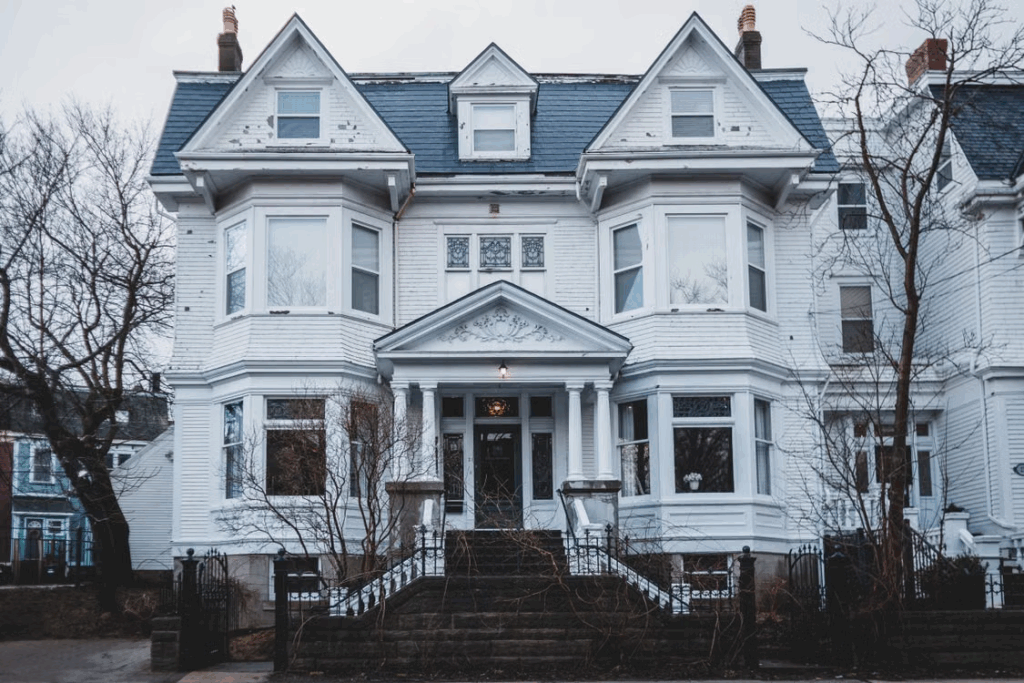
Historic homes have a soul that new builds simply can’t replicate.
Hand-carved trim. Original arched glass windows. Every piece has a history. The problem is… antiquity doesn’t maintain itself. If not cared for properly, your gorgeous antique details will warp, crack and be gone forever.
The good news?
Maintaining a historic home is much simpler than most realize. By having a thoughtful plan and the proper strategy, homeowners can preserve their home’s legacy well into the next century (and beyond).
What’s inside this guide:
- Why Historic Home Preservation Matters
- Getting Historic Window Restoration Right
- Key Features Worth Protecting
- Simple Preservation Habits That Work
Why Historic Home Preservation Matters
Historic homes provide tangible links to the past and have the ability to create neighbourhood heritage. Statistics strongly support this statement.
Taxpayers supported private investment in historic buildings creating over $12.8 billion in economic activity during fiscal year 2024. It supported an estimated 116,000 jobs nationwide. Historic preservation helped pay the bills across America.
But there is more to it than money.
Historic homes hold value that goes way beyond the price tag. They:
- Anchor the character of entire neighbourhoods
- Showcase craftsmanship that is nearly impossible to reproduce today
- Use old-growth timber and materials built to last centuries
- Tell the story of the families and eras that came before
When a historic house is demolished or substantially altered, its story is lost forever. Preservation saves those stories—and is every bit worth the effort.
Getting Historic Window Restoration Right
Windows are the soul of a historic home. And preserving that character is why historic window restoration is one of the most important projects an owner can undertake. Partnering with a restoration specialist like Prestige Window Works makes all the difference. Original windows have character-defining details like wavy glass, hand-milled sashes and weighted pulleys that factory-made replicas will never have. Restoring your historic windows also preserves the architectural integrity of your home and can increase your home’s long-term value.
Here’s why restoration usually beats replacement:
- Original windows were built from dense old-growth wood
- They were designed to be repaired, not thrown away
- Restored windows can last centuries with proper care
- The craftsmanship is impossible to replicate today
As well as costing the environment when they’re replaced. Every replacement window generates 1,244 pounds of CO₂, an “energy debt” which takes decades to repay, and they usually don’t last that long anyways – failing after just 15 to 20 years because of sealed unit failures. So when you pit that against a historic window that can last another century after being restored, the answer seems obvious.
Restoration usually involves:
- Repairing rotted wood
- Re-glazing the panes
- Adding weatherstripping
- Fitting a good storm window for extra efficiency
When done correctly, a restored historic window can perform just as well as a new window. And not lose a bit of charm.
Key Features Worth Protecting
Windows aren’t the only things in your older home that are “worth their weight in gold.” There are many other features that can benefit from the same level of care and attention you give your historic windows. If you overlook these features your home will gradually lose many of the characteristics that make it unique.
Original Woodwork and Trim
Baseboards, crown moulding, staircases and door casings from older homes were often constructed of denser, higher-quality wood than is available today. Carefully stripping old paint and refinishing (instead of replacing these items) preserves the original craftsmanship.
Ripping it out and putting in modern trim?
That’s one of the fastest ways to gut the personality of a historic home.
Hardwood Floors
Original hardwood floors are one of the most prized aspects of any antique home. Refinishing them (rather than covering them) restores the warmth and charm that only original floors can provide. And it’s often less expensive as well.
Plaster Walls
Many homeowners are quick to demo plaster walls and want to replace them with drywall. Huge mistake. Plaster is harder, soundproofing is better, and plaster just lasts longer. Plus if it cracks, you can repair it 99% of the time.
Original Doors and Hardware
Solid wood doors, brass knobs, cast iron hinges – it’s these little things that create a big impact. Cleaning/restoring original hardware is 99 times out of 100 the correct decision. Replacements never look the same.
Simple Preservation Habits That Work
Preservation is not a project, it’s a lifestyle. Here’s what you do every day to keep a historic house happy and healthy for decades to come:
Do regular inspections. Walk the property twice a year and look for:
- Peeling paint
- Wood rot
- Cracked plaster
- Loose window putty
- Roof damage
Catching small issues early prevents massive repair bills later.
Know what materials to use. Many modern products are incompatible with older buildings. Lime-based mortar, natural paint and traditional lumber often work better on older homes than modern products. If you’re not sure, consult a preservation expert.
Keep meticulous records. Have a folder with photos, receipts, and notes on every repair. It will tell future owners what’s been done — and what still needs fixing.
Collaborate with experts. Preservation-minded builders, window conservators, and artisans know the nuances that run-of-the-mill contractors overlook. Sure, they may be slightly more expensive. But think of how much longer you’ll keep them.
Don’t Over Modernize. It’s easy to want to knock down walls, install oversized sliding doors or replace outdated features with what’s trendy. Take a step back. Part of the appeal of an old home is the structure itself — and you can’t replace original bones once they are gone.
Bringing It All Together
Nothing beats a historic home. They have history, craftsmanship and charm that a new build will never have. However, maintaining them takes some purpose.
To recap the main points:
- Historic preservation drives huge economic value
- Historic window restoration protects character and adds long-term value
- Original woodwork, floors, plaster and hardware are worth saving
- Small habits (regular inspections, right materials, specialist help) go a long way
- Over-modernizing is the quickest way to ruin the charm of an old home
Preserve the charm of a historic home the right way. Hire the right people and use the right materials. Then your home will have many more stories to tell.
