
Fulham occupies a particular position in the London property market. It is a neighbourhood where Victorian and Edwardian terraces sit alongside more recent development, where buyers arrive with discernment and specific expectations, and where the presence or absence of original architectural features has a measurable effect on what a property can achieve at sale. Estate agents who work these streets regularly will tell you that period features are not merely cosmetic. They are a signal to buyers about the quality and integrity of the building they are considering, and that signal carries real financial weight.
Among those features, few have as immediate an impact as original or sympathetically restored timber windows. Homeowners investing in quality sash windows in Fulham properties contain are not simply maintaining appearances. They are making a considered decision about long-term asset value, buyer appeal, and the kind of first impression that translates directly into competitive offers.
What Buyers in Fulham Are Actually Looking For
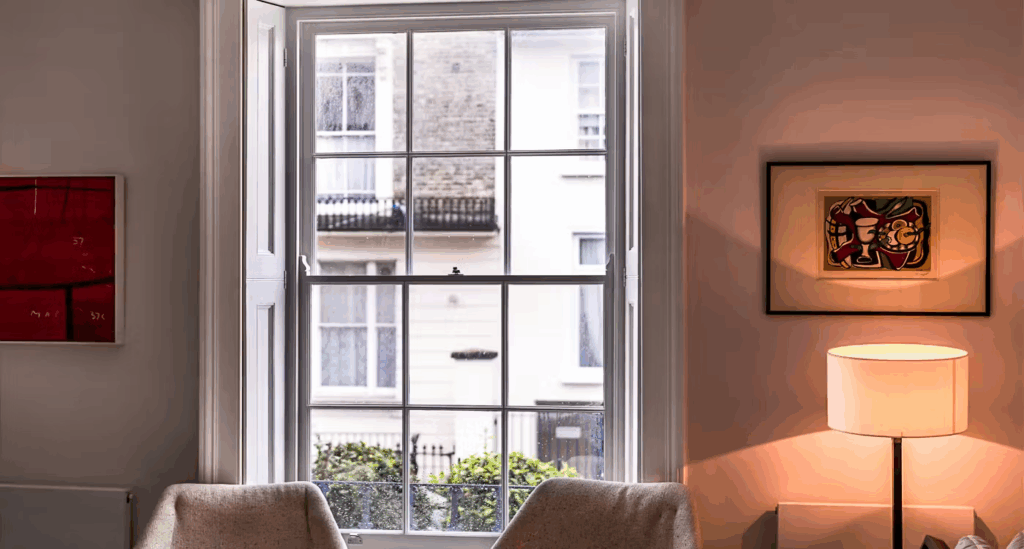
The profile of a Fulham buyer tends toward those who have researched the area thoroughly and understand what they are paying for. These are not buyers who overlook a mismatched window or dismiss the visual disruption of a PVC frame in an otherwise intact Victorian facade. Architectural coherence matters to this market, and the window line of a period property is one of the first things a buyer registers when walking up to the front door.
Research into property valuation consistently finds that well-maintained period features add a premium to asking prices, particularly in areas like Fulham where the surrounding streetscape provides a baseline expectation. A property that meets and exceeds that expectation attracts more interest and commands more competitive bidding. One that falls short, through replacement materials that undermine the character of the building, often sits longer on the market and achieves less.
The Role of Windows in Kerb Appeal
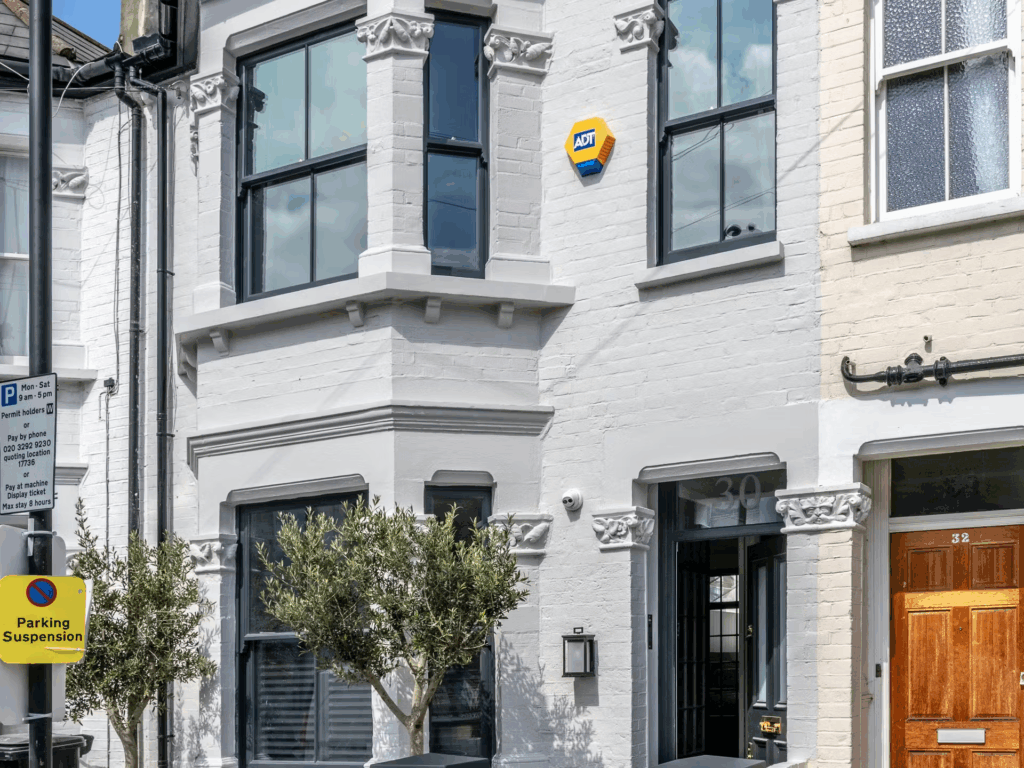
Kerb appeal is not a superficial consideration. It is the first filter through which a buyer’s emotional and practical assessment of a property passes. A row of Fulham terraces with intact timber sash windows, freshly painted and correctly proportioned, presents a visual coherence that tells a buyer the building has been respected and maintained. A single property with replacement windows that do not match the period, whether in profile, material, or glazing style, immediately reads as an outlier and raises questions about what other compromises may have been made inside.
This is compounded in streets with conservation area designations, of which Fulham has several. In these areas, buyers understand that the visual character of the street is protected, which adds to the attractiveness and long-term security of the investment. Owning a property within a conservation area that is correctly maintained to its original standard carries genuine premium, reflecting both the
Beyond Valuation: The Practical Benefits That Sell
Period features increase property value not only through aesthetics but through demonstrable performance. A timber sash window that has been properly specified, built with quality joinery, and fitted with double glazing and precision draught-proofing performs to a standard that buyers with energy bills and living comfort in mind will notice. The insulating properties of good timber, combined with correct sealing, address two of the most common concerns buyers raise about older properties: draughts and heat loss.
When a vendor can demonstrate that the windows are not merely beautiful but genuinely high-performing, with documented specification and warranties to support that claim, it removes an objection from the buyer’s list rather than adding one. A well-executed timber sash replacement becomes a selling point, not a question mark.
Conservation Compliance as a Value Asset
Fulham’s conservation areas carry planning requirements that mandate like-for-like replacement of original joinery. For a buyer, knowing that the windows meet conservation standards rather than sitting in potential planning conflict is worth real money in terms of peace of mind and legal certainty. Properties where the joinery has been replaced correctly, with the appropriate materials and to the correct profiles, carry no compliance risk. Properties where shortcuts have been taken can expose new owners to enforcement action or requirements to reinstate original specifications at their own cost.
This means that the quality of a window replacement is not just an aesthetic judgement. It is due diligence. And in a market like Fulham, where buyers are sophisticated and their solicitors are thorough, it is the kind of detail that comes up in surveys and affects the negotiation.
Fulham’s housing stock is genuinely special. Keeping it that way is not simply a matter of personal taste. It is how value is protected, built upon, and passed on.
