
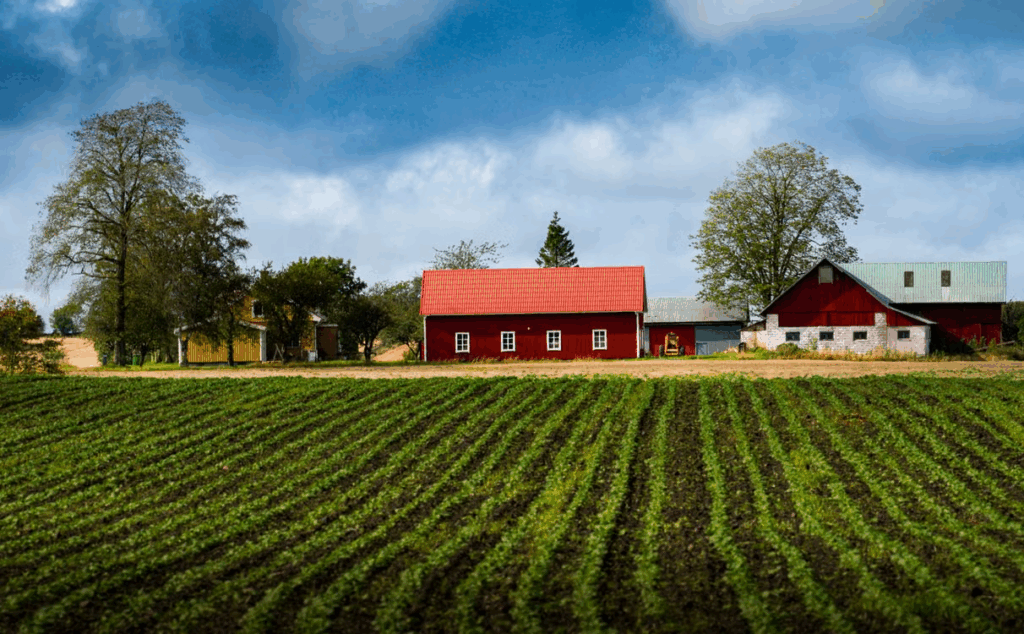
Thinking about building your own farm?
Good choice. However…. most people try to “wing it” and spend money within the first year.
Developing your own farm from scratch is extremely rewarding. It can also be costly if planning isn’t considered. With a helpful checklist you will be able to:
- Avoid costly rookie mistakes
- Save thousands on equipment
- Get up and running way faster
This guide walks you through exactly what you need before you break ground.
Here’s the game plan:
- Why You Need A Plan Before Building Your Own Farm
- The Essentials Needed To Get Started
- Land, Buildings & Infrastructure Checklist
- Equipment, Supplies & Livestock Essentials
- Budgeting & Legal Setup
Why You Need A Plan Before Building Your Own Farm
Farming without a plan is like trying to build a farm.
It just won’t work.
Recent USDA data puts the current estimate of farms in the United States at about 1.88 million. However… many new farms fail within the first few years of operation.
A proper plan does three big things for you:
- Saves you money: You’ll know what purchases to prioritize.
- Saves you time: No more guessing what comes next
- Saves you stress: A clear path makes the whole process easier
The good news? You’re not alone. Local farm supply co-ops such as Belle Mead Co-Op have been working with beginning farmers for years to find just what you need to stock your very own farm. Need feed? Fencing? Seed? Soil Amendments? They’ve got you covered.
Now let’s break down what you actually need.
The Essentials Needed To Get Started
Before you spend a single dollar… You need to nail down the basics.
Here’s what every new farm needs:
- A clear purpose (crops, livestock, mixed?)
- The right piece of land
- Water and power access
- Basic structures (barn, fencing, storage)
- Starter equipment
- A working budget
Sounds simple? It is. Most just eliminate step #1 and then complain about why nothing else lines up.
Determine what your farm will primarily produce. Cattle? Vegetables? A small homestead garden with chickens? All of these options require different setups, so this question will determine your other answers.
Land, Buildings & Infrastructure Checklist
Now to the fun part… The land.
Real estate is the largest expense associated with starting your own farm. Get this wrong and you will regret it for decades. Do this correctly and you will be setting yourself up for success for years to come.
Picking The Right Land
You want land that ticks these boxes:
- Good soil quality — have it tested before you buy
- A reliable water source — well, creek, or municipal hookup
- Decent road access — you’ll need delivery trucks coming in and out
- Zoning that allows farming — check this twice!
- Reasonable price per acre — shop around different counties
Don’t get excited about the first house you find. Look at at least 5-10 before you make an offer.
Buildings You’ll Need
This is where the costs start to climb.
Per USDA figures, startup farms invest an average of $30k to $100k initially on barns and storage buildings. Huge range, so budget wisely.
The basic build list looks like this:
- A main barn for equipment and animals
- Storage for hay, feed, and seed
- A workshop for repairs
- Fencing around pastures and gardens
- Water tanks or troughs
You don’t have to build everything from the start. Build the structures that your type of farm can’t operate without, then gradually build more as you earn more money.
Equipment, Supplies & Livestock Essentials
Here’s where new farmers love to overspend…
Fact: You likely don’t NEED that brand spanking new $80k tractor year one. A dependable used tractor will work just fine for less than 1/4 of the cost.
Starter Equipment List
Stick to the essentials:
- A small or mid-sized tractor
- Basic implements (mower, tiller, loader)
- Hand tools (shovels, rakes, pitchforks)
- A reliable truck or utility vehicle
- Safety gear
That’s it. Everything else can be borrowed, rented, or bought later.
Supplies & Livestock
If livestock is part of your farm plan, start small.
Start with just a few chickens, a pair of goats, or maybe one or two cattle. There’s plenty of time to expand year one. You’ll have enough to learn how to take care of them without spending your entire budget on livestock you aren’t familiar with.
When purchasing items such as feed, bedding, seed, and animal health products… developing a relationship with your local farm supply co-op can be extremely rewarding. Many will provide:
- Better prices than the big box stores
- Bulk discounts
- Local delivery
- Real advice from people who actually farm
(That last one is worth its weight in gold for new farmers.)
Budgeting & Legal Setup
Money and paperwork. The two least fun parts of farming.
What’ll also sink your farm quickest if you ignore them.
Building Your Budget
Write down every conceivable expense. Then inflate by 20% for contingencies… Because they WILL happen.
Your budget should cover:
- Land purchase or lease payments
- Building and infrastructure costs
- Equipment (used wherever possible)
- Livestock and supplies
- Insurance, taxes, and licenses
- 6 months of operating expenses
That one right there is big time. Most farms dont make money first year so you need a cushion.
Legal Setup
Don’t skip this step.
You’ll need to:
- Register your farm as a business
- Get the right insurance (liability, property, livestock)
- Apply for any local permits
- Set up a separate farm bank account
- Look into USDA programs for beginning farmers
Investing a few hours in paperwork now will save you years of agony later.
Putting It All Together
Building your own farm is a big project. There’s no way around that.
However, if you have the proper plan and essentials, it is completely possible. Here’s a quick review of the checklist:
- Decide what your farm will actually do
- Pick the right piece of land
- Build only the structures you need first
- Start with used, reliable equipment
- Lean on a trusted local co-op for supplies and advice
- Budget for surprises and a 6 month cushion
- Handle the legal setup before you break ground
Take it one step at a time. Build slowly. Spend wisely.
Do this and your homestead will be built to flourish for generations.
