
Solar panels can damage your roof, but almost never the way homeowners fear. Over years of repairing roofs and pulling panels off failed installs, I’ve seen far more roofs wrecked by a rushed job than by the weight of the panels themselves.
A properly mounted array on a sound roof is one of the safest things you can put up there. A lag bolt sealed with nothing but caulk, hiding under a panel on a roof with five years of life left, is a leak waiting for the first hard rain. The difference is workmanship and timing. Here’s where roofs actually get hurt, how to stop it, and who pays when it goes wrong.
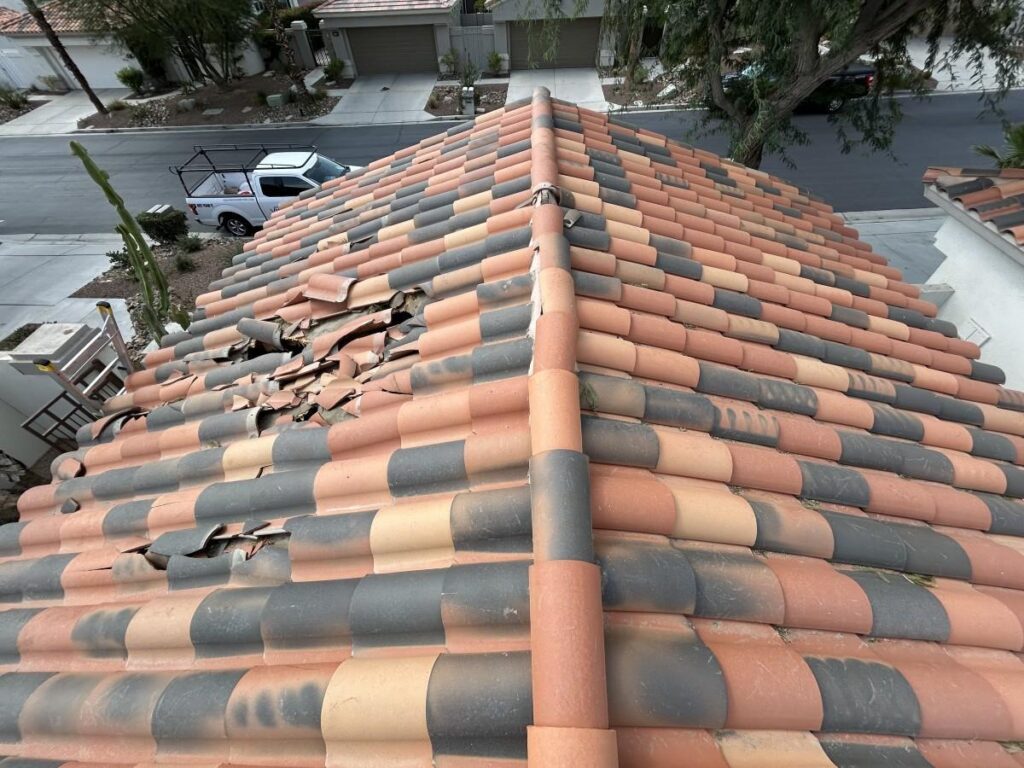
3 factors that decide whether solar damages your roof
There are three factors that are important here:
- The condition of the roof before install
- The quality of the mounting and flashing
- The skill of the crew
Weight is rarely the problem
Weight is the first thing most people ask about, and it’s usually the wrong thing to worry about. A standard 400-watt panel weighs roughly 40 to 50 pounds. Spread across its footprint with the racking, a rooftop array adds about 2.5 to 4 pounds per square foot. Most residential roofs are framed to carry around 20 pounds per square foot. The margin isn’t close.
Weight becomes a real question only in specific cases: undersized or aging framing, long rafter spans, heavy snow-load regions stacking on top of the array, or a roof that’s already sagging. If these cases appear, a structural engineer should sign off, and some building departments require that letter before they’ll permit the job. If a salesperson waves off the question without looking in your attic, that’s a flag.
How do solar panels damage a roof?
Real damage comes from water, not weight. To mount most systems, a crew drills into the roof to anchor the racking, and every one of those penetrations is a potential leak if it isn’t flashed correctly.
When done right, a metal flashing sits under the course above and sheds water over the shingles below. When done wrong, the hole relies on a bead of sealant that dries out, cracks, and lets water into the underlayment and sheathing. That’s where you get rot, mold, and the ceiling stain that shows up a year later. A few other ways damage occurs include:
- Anchors screwed into thin decking instead of the rafters, so they loosen and back out
- Cracked or shattered tiles from crews walking a tile roof or torquing hardware onto brittle material
- Panels crowded into valleys or up against ridge caps, right where water concentrates
- Underlayment scuffed and torn by boots and dragged equipment during the install
- Debris and nests: the shaded gap under panels is prime real estate for birds and squirrels, and their nesting chews wiring and traps water against the roof
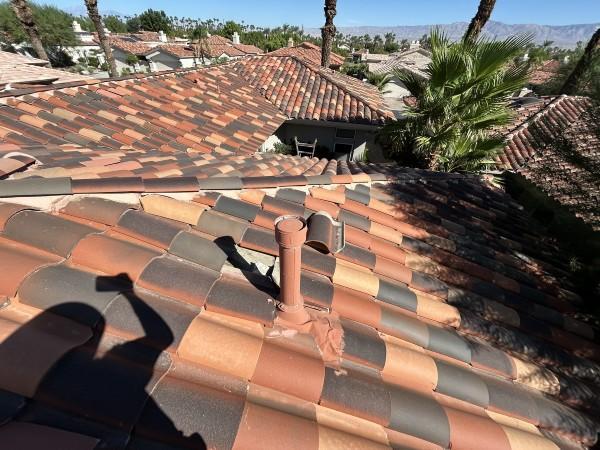
Which roof types handle solar best, and how are panels attached?
The mounting method should match your roof, and the wrong hardware is one of the most common reasons solar damages a roof. Here’s how the common systems attach and what to check on each.
| Roof type | How panels attach | Leak risk | What to verify |
| Asphalt shingle | Low to moderate | A real metal flashing at every penetration, not just sealant | |
| Standing-seam metal | Non-penetrating clamps grip the seam, no holes in the roof | Lowest | Clamp is rated for your exact seam profile |
| Exposed-fastener metal | Gasketed screws into framing | Moderate | Fresh EPDM or butyl washers, no over-driven screws |
| Clay or concrete tile | Tile hooks or replacement-tile flashing mounts | Higher (breakage) | Tile-specific mounts and a plan to source matching spare tiles |
| Slate or wood shake | Specialized mounts, often better avoided | Highest | An independent roofer’s sign-off before you commit |
| Flat or low-slope (TPO, EPDM) | Bonded or ballasted curbs with welded flashing | Moderate | No un-welded penetrations through the membrane |
If your roof is standing-seam metal, clamp-mounted systems can attach without putting a single hole in the roof, which is why they’re the least likely to leak. No matter your roof type, a proper solar roofing install seals every penetration so the panels never become the reason it leaks.
Do solar panels void your roof warranty?
Solar panels can affect your warranty, which is why you check before the crew shows up. Your roof usually carries two separate warranties: a manufacturer warranty on the materials and a workmanship warranty from whoever installed it. Drilling into the roof can limit or void the workmanship portion, because a second contractor has now put holes in the roofer’s work.
Ask both the roofing manufacturer and your original roofer, in writing, how solar penetrations affect your coverage. Then ask the solar company about a roof penetration warranty, which some installers offer to cover leaks at their mounting points. Get the term in writing, as some of these run only a handful of years.
Who pays if your roof leaks after a solar install?
It depends on where the water is coming from, and there’s a simple rule that settles most disputes. If the leak lines up directly under the array, it’s almost certainly the solar installer’s work, and their workmanship warranty should cover it. If the water originates somewhere else on the roof, it’s a roofing issue and falls to your roofer.
Solar workmanship warranties can be as short as one year, so a leak reported at 18 months gets pushback. Report anything the moment you see it. To protect yourself, have an independent roofer inspect the leak and write a short note tying it to the solar penetrations, then send that plus dated photos to the installer.
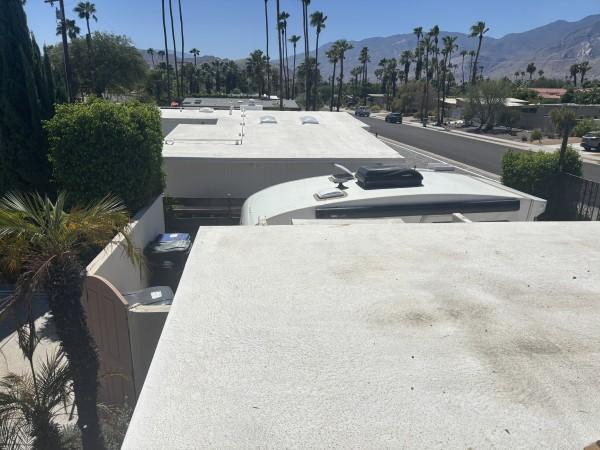
The fire-code clearances your installer might skip
Most homeowners have never heard of the clearances that are supposed to surround a rooftop array, and a cut-rate installer is happy to keep it that way. The International Residential Code (Section R324.6) requires access pathways and setbacks so firefighters can get on the roof and vent it. It’s not optional in most jurisdictions.
In broad terms, the code calls for at least two clear pathways, each not less than 36 inches wide, running from the eave to the ridge on separate roof planes. It also requires a clear setback at the ridge: at least 18 inches on both sides when the array covers a third or less of the roof plane, and at least 36 inches when it covers more.
Beyond the fire-safety reasons, those clear zones are what let a roofer get up there later to fix a leak or replace the roof without pulling your whole system. Confirm the code version your city has adopted and any local amendments, because the authority having jurisdiction has the final say.
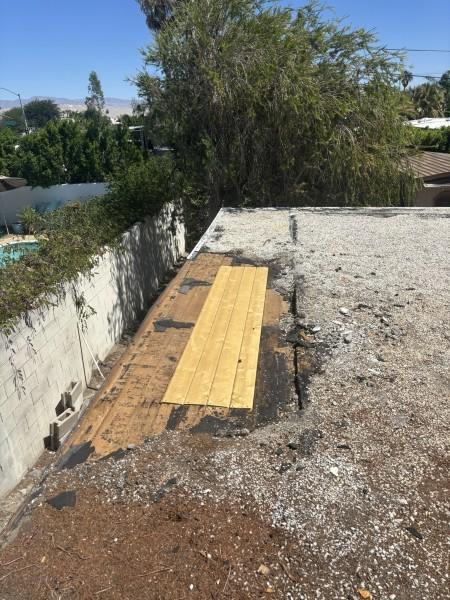
The timing decision that saves you the most in 2026
The costly scenario isn’t a dramatic collapse. It’s paying twice because the panels went on a roof that needed replacing. Moving a live solar array isn’t quick or cheap. Taking it down and setting it back up means paying a crew twice, sometimes with storage in between, on top of the new roof itself.
If your roof has fewer than about 10 years of life left, replace it before the panels go on. Otherwise, you’re stuck choosing between an early re-roof working awkwardly around the array or the added expense of pulling the whole system and reinstalling it.
Don’t let the solar company inspect your own roof
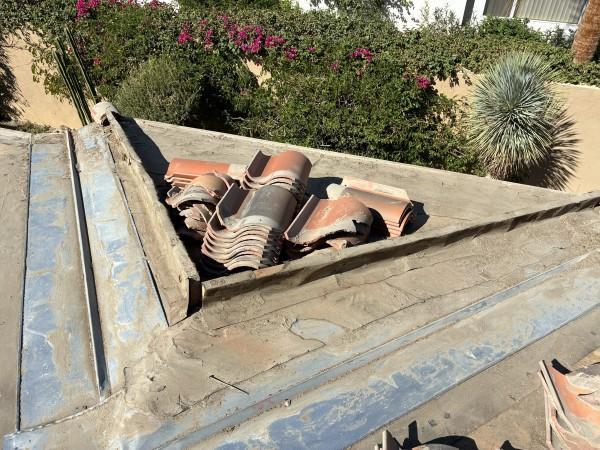
The company selling you panels should not be the only party judging whether your roof can handle them. They have every reason to say it’s fine, because a no costs them the sale. Get an independent roof inspection first, from a roofer with nothing riding on the solar contract, and keep the dated report.
That report tells you honestly whether to repair, replace, or proceed, while also becoming your baseline if a leak shows up later and you need to prove the roof was sound before the install. It’s the cheapest insurance in the whole project. If you want that kind of independent read before you commit to solar, that’s exactly what the team at Vision Roof Services does, with no stake in whether you buy panels.
How to spot roof trouble after the panels go up
Once the system is live, most problems announce themselves early if you know where to look. Leaks from a bad install usually appear within the first year, often after the first heavy rain or snow. Check your attic for fresh water stains or musty smells, and glance at the roofline for any panel that looks like it has shifted or lifted at an edge.
Take photos now and again each year, from the same spots, so you can compare. If your installer offers an annual check as part of a maintenance plan, take it. If you see a stain spreading, call a roofer before it reaches the drywall.
Frequently asked questions
Can solar panels damage your roof?
They can, but it’s uncommon and almost always comes from a poor install rather than the panels. On a sound roof with proper flashing and a licensed crew, the risk is low. The usual culprits are unsealed penetrations, cracked tiles, and panels added to a roof that was already worn out.
Do solar panels cause roof leaks?
Only when penetrations aren’t flashed and sealed correctly. Well-installed systems shouldn’t leak, and when they do, it usually shows up within the first year after a heavy rain or snow. Standing-seam metal roofs carry the lowest risk because clamp mounts avoid holes entirely.
Do solar panels void your roof warranty?
They can affect the workmanship portion, since a second contractor is drilling into your roofer’s work. Check with both the roofing manufacturer and your original roofer in writing before install, and ask the solar company whether they offer a roof penetration warranty.
Who is responsible if my roof leaks after solar panels?
If the leak is directly under the array, it’s usually the solar installer’s workmanship warranty. If it’s elsewhere on the roof, it’s a roofing issue. Report it fast, because solar workmanship warranties can be as short as one year.
How much weight do solar panels add to a roof?
About 2.5 to 4 pounds per square foot, since a 400-watt panel weighs roughly 40 to 50 pounds. Most homes are framed for around 20 pounds per square foot, so weight rarely threatens a sound roof.
Do I need a new roof before installing solar panels?
If your roof has fewer than about 10 years of life left, yes. Removing and resetting an array to re-roof it later adds a cost you can avoid, so it’s usually cheaper to replace the roof first.
What roof is best for solar panels?
Standing-seam metal, because clamps attach without penetrating the roof. Asphalt shingle is very workable with proper flashing. Tile and slate are doable but more prone to breakage and need roof-specific mounts.
