
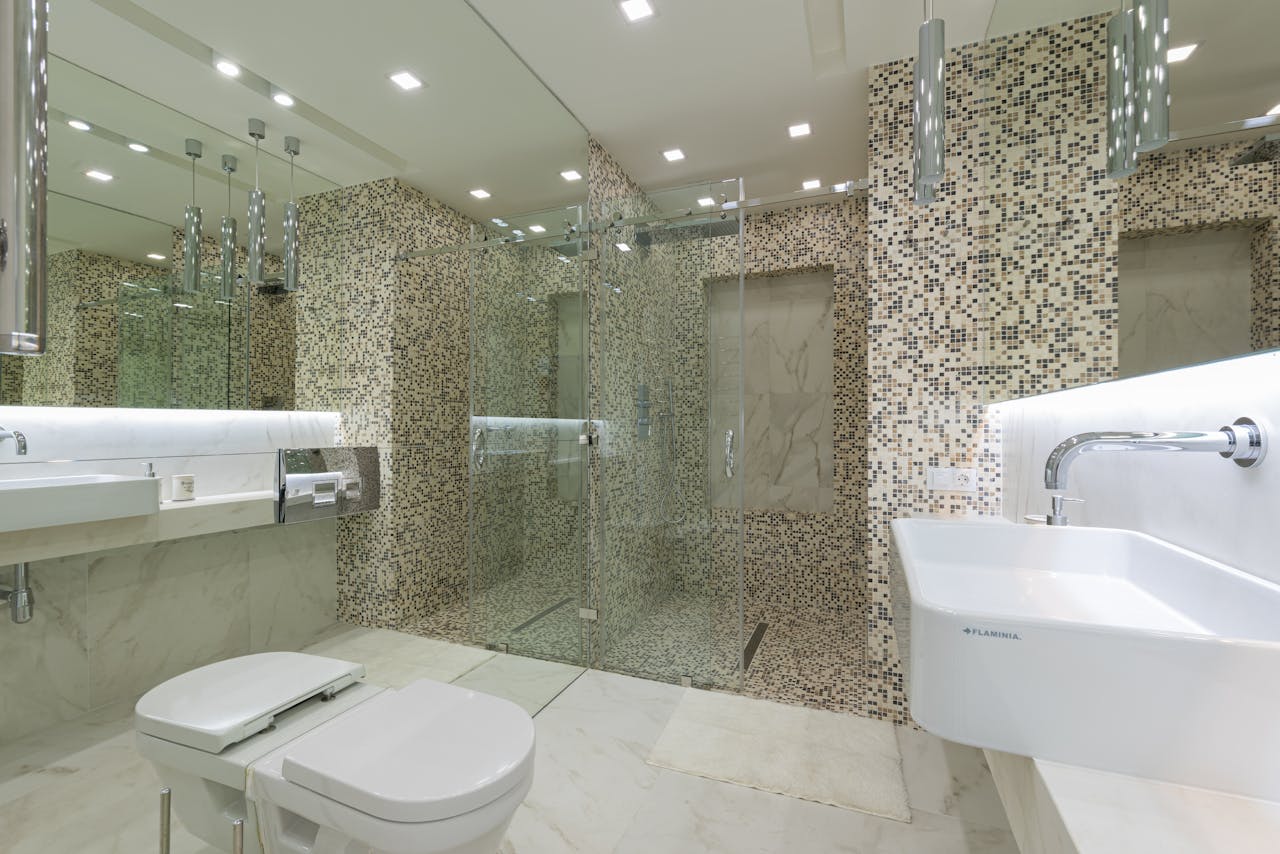
Nobody sits down to plan a bad bathroom renovation. It just sort of happens. The budget looks reasonable, the tiles look perfect in the showroom, and three months late,r there’s a half-finished wet room and an increasingly uncomfortable conversation with the contractor. Bathroom remodeling has a wonderful talent for revealing expensive surprises, but the truth is, most of the worst ones are entirely avoidable. Here are the five mistakes that tend to hurt the most.
1. Trusting the Quote Like It’s a Contract
The number on that initial quote? Think of it as an optimistic starting point rather than a firm ceiling. Bathroom remodeling projects almost always uncover something behind the walls that nobody budgeted for: crumbling subfloor, outdated wiring that hasn’t met code since 1987, pipes that look fine right up until they don’t.
Set aside 20 percent on top of the quoted figure before any work begins. That buffer isn’t pessimism. It’s the thing that stops a renovation from becoming a years-long grudge.
2. Deciding to Move the Plumbing for Aesthetic Reasons
That shower would look so much better on the other wall. Probably true. Also probably going to cost two to three times what was expected once the pipe relocation, structural adjustments and associated labour are added up. Moving plumbing for cosmetic reasons is one of the most consistently expensive decisions in bathroom remodeling, and it rarely delivers value proportionate to the cost.
Unless there’s a functional necessity driving it, the existing positions are usually worth keeping.
3. Choosing Materials Based on How They Photograph
Instagram has a lot to answer for in the world of bathroom design. That matte black tapware looks magnificent online. In a bathroom with hard water, it looks less magnificent after three weeks and genuinely tragic after three months. Beautiful materials need to be practical materials too, particularly in a space built around moisture, daily use and the kind of cleaning that happens when guests arrive in forty minutes.
Durability and maintenance requirements belong in the selection conversation from the start.
4. Skipping the Permits to Save Time
Skipping permits feels like a shortcut. And it is, right up until the house goes on the market, the inspector flags unpermitted work, and the sale falls through or the price drops to account for remediation costs. Some structural changes, plumbing alterations and electrical work legally require permits. Getting them is an administrative inconvenience. Not getting them is a financial risk that can sit quietly in the walls for years before surfacing at the worst possible moment.
Conclusion
Bathroom renovation done properly adds value, improves daily living, and lasts for decades. The temptation to hire the contractor that quotes the lowest is also real and can be blinding. Projects that fail frequently share the same basic cause: decisions made hurriedly, with limited knowledge, an optimistic budget, and fingers crossed behind one’s back.
It just requires asking the inconvenient questions before the walls come down rather than after.
