
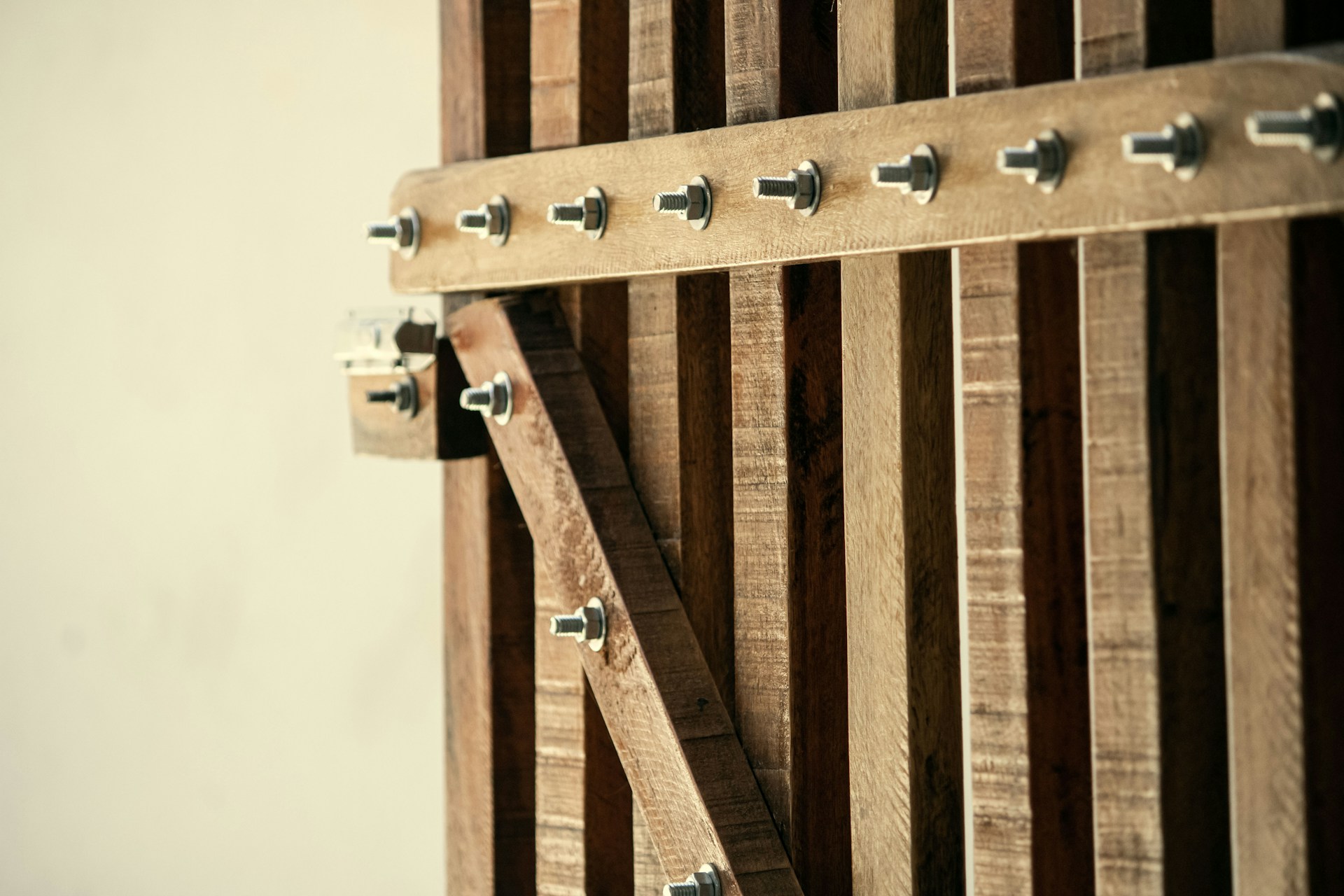
Strong structures begin with informed decisions at the smallest connection points. Quality craftsmanship reflects careful material pairing and disciplined installation. Thoughtfully selected wood screws support balanced load transfer within timber assemblies.
When wood screws match wood species and project demands, structural performance improves steadily over time. This attention to detail strengthens durability, protects investment value, and reinforces long term safety.
Why Wood Screws Determine Structural Longevity
Design of wood screws influences load transfer, resistance to vibration, and response to seasonal expansion. Structural performance depends on matching screw engineering with wood species.
The correct fastener supports consistent grip under shifting moisture levels. Thread depth must align with density to prevent fiber tearing. Coating quality protects against corrosion in exterior framing. Proper shank diameter limits surface cracking along grain lines. Pull out strength ratings guide safe use in load bearing joints. Each technical factor supports extended service life.
Material compatibility also shapes endurance. Pressure treated lumber contains chemicals that demand corrosion resistant coatings. Stainless or polymer coated steel prevents premature rust. Accurate pilot hole sizing reduces internal stress. Controlled torque preserves fiber strength during installation.
Choosing Wood Screws for Exterior and Structural Projects
Exterior framing faces wind load, humidity, and temperature swings. Structural assemblies demand reliable shear strength and tensile resistance.
When selecting wood screws for demanding applications, evaluate these essentials:
- Shear strength ratings for deck and beam connections
- Corrosion resistance suited for treated lumber
- Thread pattern that matches hardwood or softwood density
- Head style that distributes pressure evenly
Balanced spacing between wood screws preserves grain stability. Proper embedment depth secures long-term holding power. Alignment during installation ensures consistent weight distribution across the joint. Each disciplined step supports durability in residential and commercial construction.
Installation Practices That Extend Service Life
Installation quality influences performance as strongly as material selection. Steady torque control prevents crushing internal fibers. Even spacing reduces stress concentration along edges. Measured depth protects surface integrity and internal structure. Careful attention during assembly prevents hidden structural fatigue.
Conclusion
Precision fastening protects structural performance across years of exposure. Thoughtful evaluation of material, coating, and load rating of wood screws supports reliable connections. When each component works in harmony, your project maintains strength and stability far beyond initial expectations.
