
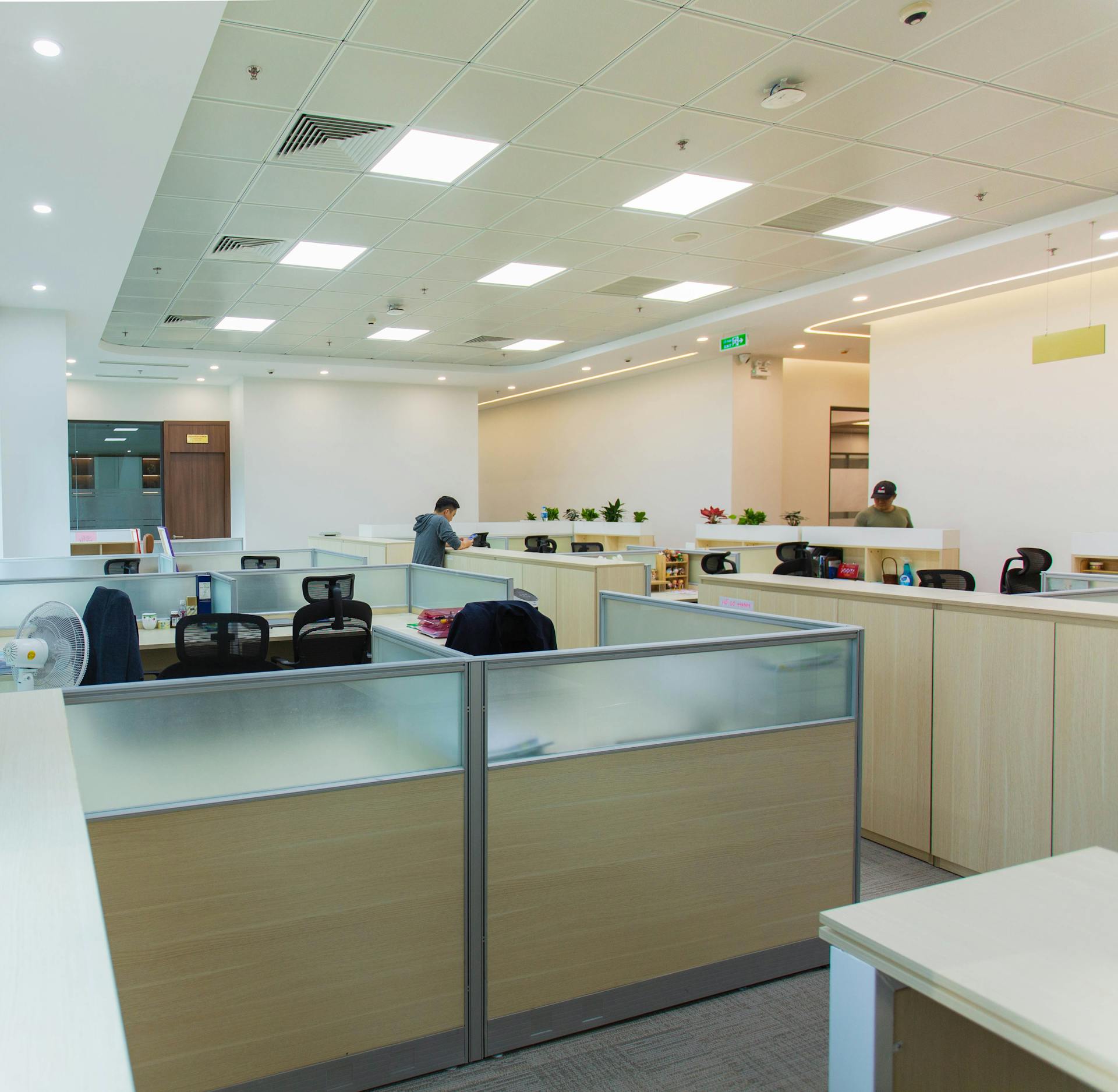
Most business owners focus on salaries, tools, and training to improve team performance but overlook the one thing employees experience every single day: their physical environment. Workplace cleanliness has a direct, measurable effect on focus, health, and retention. Investing in professional office cleaning from NAE Cleaning Solutions is one of the most cost-effective decisions you can make for your business and your team.
1. Clean Spaces Help Employees Stay Focused
Clutter creates cognitive load. Even when you’re not consciously aware of it, a messy workspace forces the brain to process visual noise in the background, slowing decision-making. A clean environment removes that friction. Employees focus fully on the task at hand, make fewer errors, and feel more in control.
2. It Reduces Sick Days
Shared offices are hotspots for germs. Keyboards, door handles, and break room surfaces can carry bacteria for hours after contact. When one person falls ill, it often spreads quickly through the entire team before anyone realizes it. Regular disinfection breaks that chain of transmission. Fewer sick days means fewer project disruptions and more consistent output, especially critical when deadlines are tight.
3. Good Air Quality Improves Brain Performance
Dust, mold, and poor ventilation quietly cause headaches, fatigue, and difficulty concentrating. Research shows better indoor air quality leads to stronger cognitive scores and sharper decision-making. Key concerns that professional cleaning addresses:
- Dust buildup in vents and on high ledges
- Mold and moisture in restrooms and kitchens
- Allergens trapped in carpets and soft furnishings
- Poorly maintained HVAC filters
4. An Organized Workplace Reduces Wasted Time
Time lost searching for misplaced items, waiting on jammed printers, or navigating cluttered supply areas adds up fast. These small interruptions feel minor in the moment but stack into significant losses across a working week. A clean, organized office makes everything faster to find and easier to use. Equipment lasts longer, shared spaces stay ready, and employees spend energy on actual work rather than frustrating workarounds.
5. Cleanliness Boosts Employee Morale
Overflowing bins and grimy restrooms send a quiet message: this place doesn’t care. And when employees feel the business doesn’t value their surroundings, they care less about their work too. The link between workplace cleanliness and employee morale is well-documented. A consistently clean workplace communicates respect, and respected employees are more motivated, engaged, and willing to go the extra mile.
6. It Lowers Stress Levels
Clutter and disorganization trigger low-level stress, affecting communication and performance under pressure. Clean environments do the opposite. They create calm and a sense of control. Common stress triggers a clean workplace eliminates:
- Visual clutter that makes workloads feel overwhelming
- Unpleasant odors from neglected areas
- Dirty shared surfaces employees avoid using
- Disorganized storage that slows down simple tasks
7. A Clean Office Protects Workplace Safety
Slip-and-fall accidents, trips over cluttered walkways, and improperly stored supplies all lead to injuries, insurance claims, and absent employees. These incidents are largely preventable with consistent cleaning routines. Regular cleaning handles spills immediately, keeps walkways clear, and ensures equipment is stored correctly. Beyond protecting individual employees, a safer workplace also reduces liability risks for the business. A cleaner office is a fundamentally safer one.
8. Clean Workplaces Help Retain Good Employees
Top performers have options. A consistently dirty or poorly maintained office is a real reason skilled employees leave, even if they don’t say so in exit interviews. Replacing and retraining staff is expensive. Professional cleaning is a fraction of that cost and pays dividends in loyalty and retained expertise.
9. It Creates a Strong First Impression
Clients form an opinion about your business within seconds of walking through the door. Clean floors, spotless restrooms, and tidy common areas communicate professionalism and attention to detail. That confidence carries into negotiations and long-term partnerships, regardless of how strong your product actually is.
10. It Builds a Culture of Professionalism
When an office is kept clean and orderly, employees naturally adopt those same standards. They take better care of equipment, keep their own areas tidy, and feel greater pride in the company they represent. This ripple effect is subtle but powerful. Leadership sets the tone, and a well-maintained workplace signals that high standards matter at every level. Over time, that unspoken expectation of quality shows up directly in the work they produce.
Simple Ways to Maintain a Clean Workplace Daily
- Set up a daily checklist covering common areas, restrooms, and break rooms.
- Disinfect high-touch surfaces including door handles, light switches, and shared equipment every day.
- Establish a clear desk organization policy for all staff.
- Keep cleaning supplies accessible so spills are handled immediately.
- Partner with a professional cleaning company for deep cleaning and specialist work.
- Schedule regular inspections for vents, under furniture, and high-traffic zones.
Frequently Asked Questions
How does a clean office directly affect employee productivity?
It reduces distractions, lowers stress, and cuts sick days. Employees in clean environments focus better, communicate more effectively, and complete tasks faster.
How often should a commercial office be professionally cleaned?
Most offices need daily cleaning of high-touch surfaces and common areas, with deeper cleaning of floors and carpets weekly or bi-weekly. A professional company can build a plan around your specific space and budget.
Can poor workplace cleanliness lead to higher employee turnover?
Yes. Employees in poorly maintained environments report lower job satisfaction and are more likely to leave. Professional cleaning helps retain staff and avoids costly hiring and retraining.
What areas are most important to keep clean?
Restrooms and break rooms need the most frequent attention. After those, prioritize high-touch surfaces, air vents, carpets, and entryways. Neglecting any of these consistently undermines overall cleanliness.
