
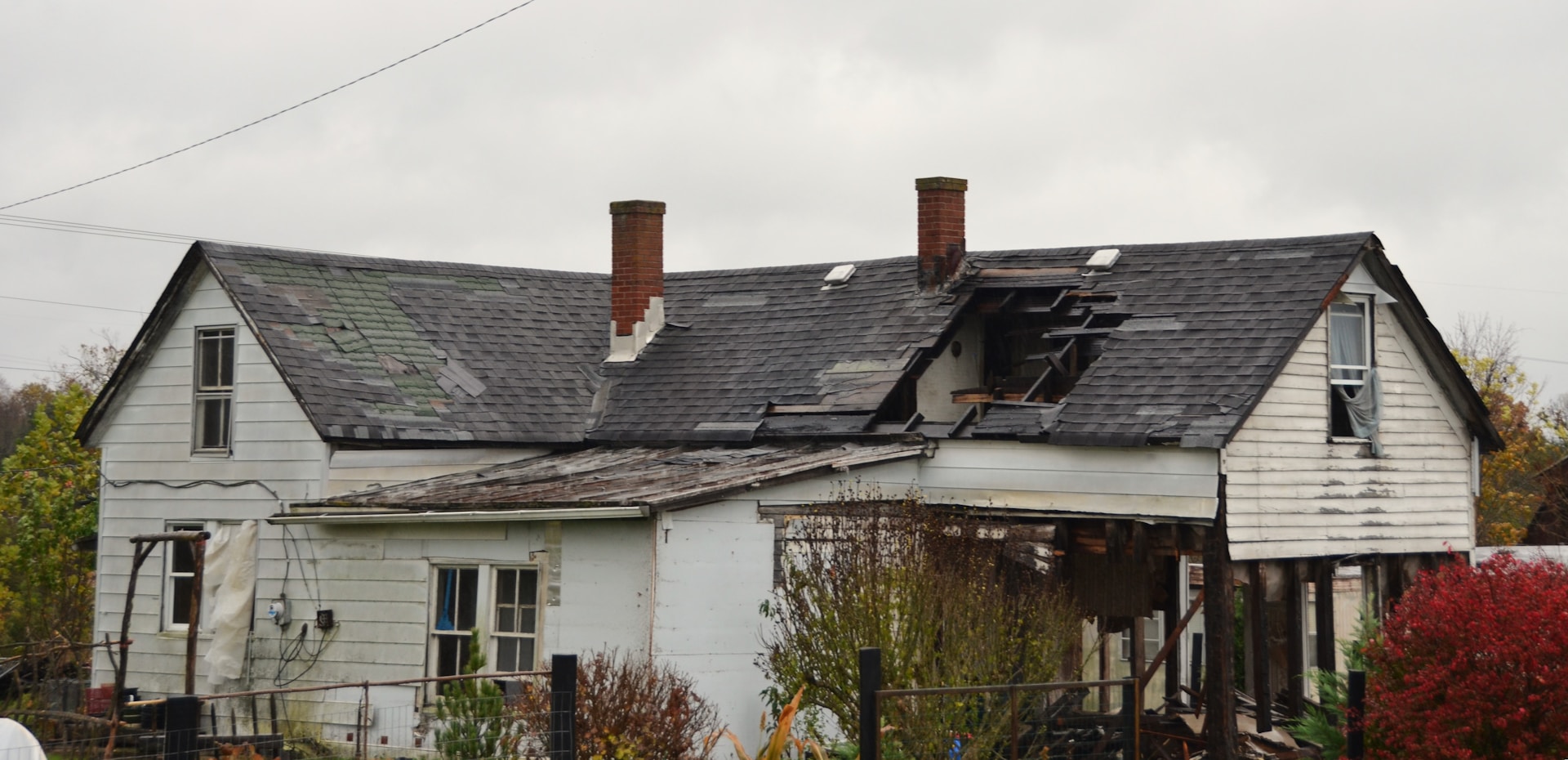
After a windstorm or severe thunderstorm, it is easy for homeowners to overlook a single lifted shingle or a small stain on an attic rafter. Because the roof continues to keep the living room dry, minor issues are often brushed aside as simple cosmetic concerns. However, roofing systems do not heal themselves. What starts as a minor defect creates a pathway for water intrusion, structural decay, and escalating repair bills.
Addressing minor roof damage early protects your budget and prevents localized issues from transforming into whole-home restoration projects. Understanding how small vulnerabilities can lead to major structural failures allows homeowners to make informed decisions that protect property value.
How Small Roofing Issues Escalate into Structural Failures
A residential roof functions as a layered weather barrier. The outer shingles shed water, the underlayment provides secondary defense, the wooden decking supports the load, and internal framing maintains structural stability. When the outer layer sustains minor damage, every supporting component beneath it becomes vulnerable.
Moisture intrusion follows a cascading path:
- Protective Layer Breach: A cracked shingle, dislodged pipe boot, or separated chimney flashing exposes the underlayment beneath. Exposure to rain and sunlight breaks down this material.
- Underlayment Failure: Once water penetrates the underlayment, it reaches the wooden roof decking. Plywood absorbs moisture and expands.
- Decking Rot and Framing Decay: Continuous dampness leads to wood rot. Over time, moisture travels down rafters, weakening support beams and compromising attic ceiling joists.
- Interior and Environmental Risks: Trapped moisture ruins attic insulation, reducing thermal efficiency. Mold spores can begin multiplying across damp surfaces, eventually dripping down drywall and ruining ceilings.
Catching a problem at the protective-layer stage requires only a minor fix. Waiting until water reaches the attic framing transforms a quick maintenance task into a major structural overhaul.
Critical Warning Signs Homeowners Should Never Ignore
Roof deterioration leaves warning signs long before water drips onto your floor. Recognizing these indicators early can prevent secondary damage throughout your home.
Granule Loss in Downspouts
Asphalt shingles are coated with mineral granules that shield the asphalt mat from ultraviolet rays. Finding excessive sand-like granules in your gutters signals that shingles are drying out and losing weather resistance.
Lifted, Cracked, or Missing Shingles
High winds test shingle adhesives. When a shingle lifts or breaks, wind easily tears away adjacent shingles, leaving exposed nail heads. Water quickly travels down exposed nail shanks into the roof deck.
Flashing Separation around Penetrations
Metal flashing seals vulnerable transitions around chimneys, skylights, and vent pipes. Seasonal temperature shifts cause metal and wood to expand at different rates, eventually cracking seals or loosening flashing nails.
Interior Ceiling Discoloration or Musty Attic Odors
Faint yellow stains on ceiling drywall or a damp, musty smell in the attic indicate active moisture migration. Even if a stain remains dry during light rain, driving storms force water through the breach.
Financial Comparison: Early Intervention vs. Deferred Repairs
Deferring roof maintenance is one of the most expensive choices a property owner can make. The cost difference between fixing a minor defect immediately versus repairing long-term damage is substantial.
Damage Category |
Early Intervention |
Deferred Outcome |
Financial Impact |
Loose Flashing |
Re-seal metal joints and sealant | Minor cost vs. major restoration | |
Missing Shingles |
Replace isolated shingles | Widespread deck rot, ceiling damage, framing repair | Low-cost patch vs. full replacement |
Clogged Gutters |
Clear debris and realign troughs | Fascia board rot, ice damming, foundation erosion | Basic cleaning vs. structural rot repair |
The Value of Professional Roof Diagnostics
Identifying hidden moisture requires specialized equipment and trained technical insight. Water rarely drips straight down from the entry point; it often enters through a ridge vent or flashing joint and travels along a rafter before dropping onto insulation.
Scheduling comprehensive roof repair services allows experienced technicians to track moisture paths to their exact source. Professional inspectors use moisture meters and thermal imaging cameras to assess the condition of decking without causing unnecessary material disruption.
Evaluations, such as those offered by Storm Guard, provide property owners with honest assessments of the overall health of their roofs. The experienced teams at Storm Guard review underlayment condition, flashing integrity, and ventilation balance, helping homeowners understand whether targeted repairs or broader restoration make sense.
Frequently Asked Questions
1. How do I know if roof damage needs a quick repair or a complete replacement?
A targeted repair is usually sufficient if damage is isolated, such as a few missing shingles on an otherwise healthy roof. If the roof is near the end of its expected lifespan, displays widespread granule loss, or has extensive deck rot, replacement is often more cost-effective.
2. Can a small roof leak cause structural damage before water appears on my ceiling?
Yes. Rainwater often soaks through attic insulation and structural decking for weeks before penetrating the ceiling drywall. During this time, wood rot and mold growth can develop out of sight in your attic.
3. How much money can proactive roof repairs save over time?
Addressing minor issues like loose seals or missing shingles early typically costs a fraction of what major restoration costs. Proactive repairs save thousands of dollars by preventing the need for timber replacement, insulation upgrades, and mold remediation.
4. What happens if I ignore curling or lifted shingles?
Curling shingles allow wind-driven rain to penetrate beneath the outer layer, saturating the underlayment. Over time, unaddressed lifted shingles expose nail heads, creating direct pathways for water leaks.
5. Will property insurance cover damage caused by delayed roof maintenance?
Insurance policies generally cover sudden storm damage rather than issues resulting from deferred maintenance or neglect. Documenting damage promptly and scheduling professional repairs helps maintain clear property records.
Protecting Your Home Investment
Your roof is your property’s primary defense against weather extremes. By viewing minor maintenance as a proactive investment, you protect structural integrity, preserve energy efficiency, and maintain long-term property value.
Storm Guard recommends scheduling periodic inspections to catch subtle vulnerabilities before severe weather arrives. Learn how timely maintenance, structural diagnostics, and professional care keep your home secure in every season.
