
Photo courtesy of Pexels
A dirty air conditioner works much harder to keep your home comfortable, which can raise your monthly electric bills quickly. Dust, pet dander, and outdoor debris restrict essential airflow, forcing system components to run longer cooling cycles. Below, we’ll explore simple, high-impact maintenance habits that restore steady airflow and keep your utility costs down all season long.
Clear the Airfolw Around Your Indoor Filters and Coils
Return air filters catch household dust, pet hair, and airborne particles before air reaches the blower fan. A fresh filter allows air to move freely across the system. Replace standard disposable filters every thirty days during hot summer months for best results.
Heavy dust accumulation on the blower assembly strains internal motors and slows circulation through living rooms. Vacuuming vents ranks among the easiest weekend DIY projects to keep static pressure balanced and preserve steady airflow inside every room in your home.
Indoor evaporator coils absorb indoor heat as air passes over their cool metal surfaces. Dust layers on these coils act like insulation and trap heat. A common mistake during DIY AC cleaning is overlooking clogged evaporator coils, which restricts heat transfer and strains the system.
Use a soft-bristle brush and light foaming coil cleaner to lift lingering grime safely. Rinse the surface with a hand sprayer filled with plain water. Keeping these internal parts clean ensures your home reaches comfortable set temperatures much faster each afternoon.
Clear Debris and Straighten Fins on the Outdoor Condenser Unit
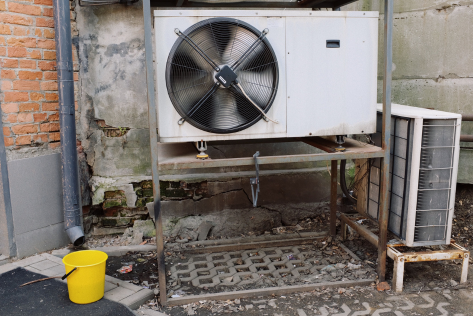
The outdoor condenser unit expels all the heat pulled from your indoor rooms into the open air. Cut back shrubs, tall weeds, and bushes at least two feet from the cabinet. Ample clearance gives the exterior exhaust fan plenty of breathing room.
Shut off the main electrical disconnect switch near the outdoor box before touching the metal cabinet. Remove loose leaves, dry grass clippings, and small twigs from the base pan by hand. Clearing loose trash prevents blockages around the exterior fan blades.
Wash the exterior aluminum fins using a regular garden hose with a simple spray nozzle. Proper techniques for how to clean an air conditioner push dirt outward, protecting delicate aluminum edges from the forceful water pressure of high-output power washers.
Bent fins block airflow through the condenser and trap hot air inside the exterior housing. Use an inexpensive plastic fin comb to straighten damaged sections along the cabinet walls. Straight fins allow exterior air to circulate smoothly through the cooling coils.
Flush the Condensate Drain Line to Prevent System Bottlenecks
Your cooling system pulls moisture from humid air every day of operation. Water collects in an internal drip pan before flowing outside. Using a solid support like a craft block keeps exterior pipes elevated and prevents damp conditions where algae thrives.
Check the drain pan under the indoor coil for standing water and dark slime buildup. A completely dry pan shows that water moves freely through the line. Wipe away pooled water with a clean shop rag to keep the area clear.
Pour one cup of regular white vinegar into the drain line access tee every few months. Vinegar breaks down early algae growth and washes loose sediment through the pipe. This simple habit keeps your plumbing lines flowing toward the outdoor drain outlet.
Inspect the outside drain pipe exit while your cooling system runs on a warm afternoon. A steady drip confirms the entire line remains open. Unrestricted drainage protects internal electrical components and helps you save money on your electric bill all season.
Endnote
Taking time to perform simple seasonal maintenance keeps your entire cooling system operating smoothly through the hottest months of the year. Consistent attention to clean filters, open outdoor condenser fins, and clear drainage pipes protects valuable mechanical parts from unnecessary wear, lowers monthly utility bills, and guarantees reliable indoor comfort all summer.
