
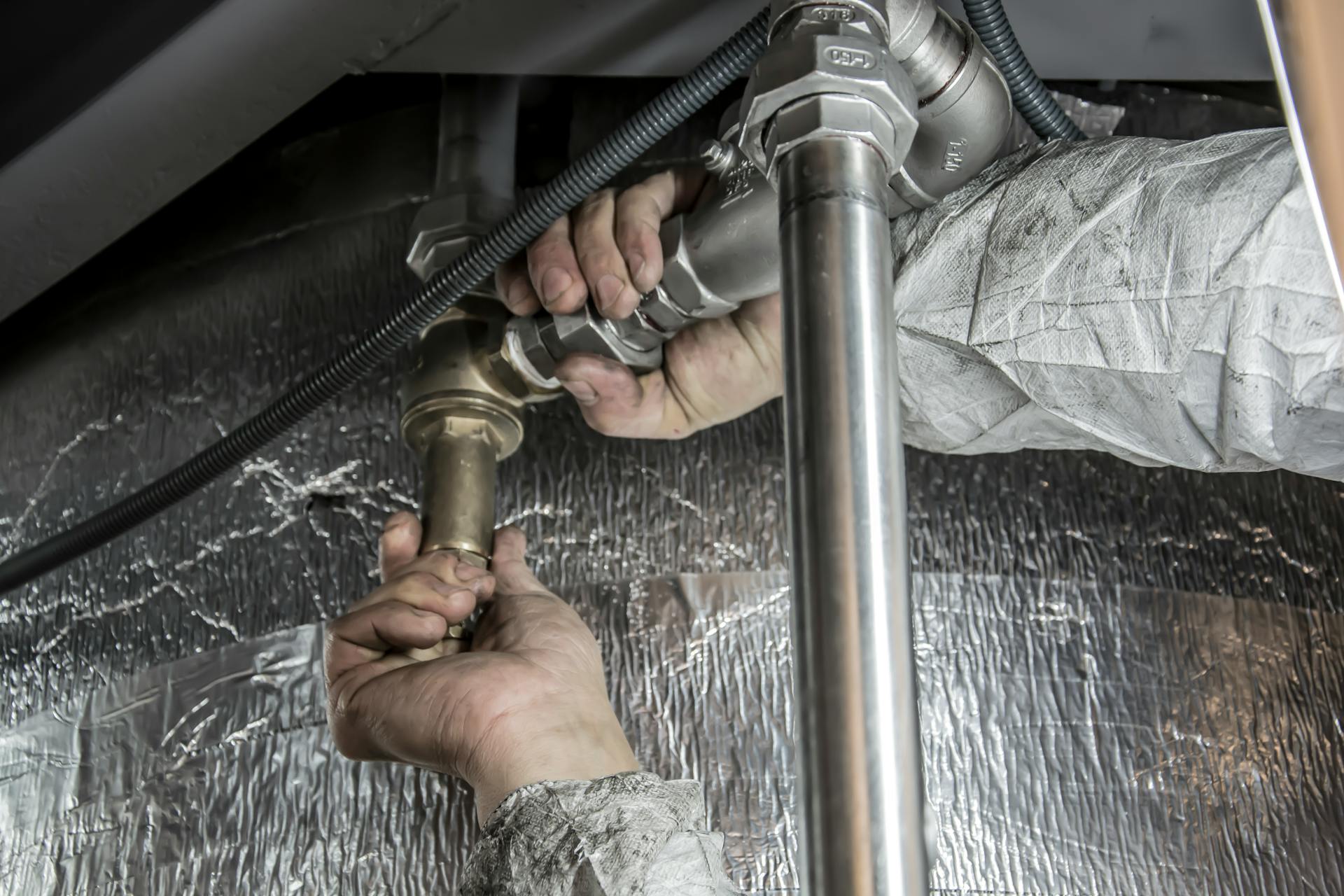
Richmond Hill, with its charming mix of historic neighborhoods like Mill Pond and modern developments around Yonge Street, offers a unique backdrop for home improvements. Many residents in this Toronto suburb take pride in updating their bathrooms to blend classic style with contemporary function, especially in older homes built during the mid-20th century boom. Yet, what starts as a simple weekend project can turn into a costly ordeal if plumbing issues arise. Canadian homeowners collectively spend billions on renovations each year, but a significant portion of that goes toward fixing DIY mishaps, with water damage claims alone accounting for over $2 billion in insured losses annually across the country.
In Richmond Hill, where tree-lined streets and proximity to natural areas like the Oak Ridges Moraine can influence property maintenance challenges, understanding the risks of amateur plumbing work becomes essential. This article explores how seemingly straightforward tasks like installing a new faucet or unclogging a drain might lead to bigger problems, why identifying root causes matters, and the value of professional intervention in preventing escalation.
Common DIY Plumbing Pitfalls in Bathroom Projects
Bathroom upgrades often inspire homeowners to roll up their sleeves, drawn by online tutorials promising quick transformations. However, these endeavors can go awry without the right knowledge. Take faucet installation, a popular DIY choice for refreshing a vanity. What appears simple removing the old fixture, connecting supply lines, and sealing can result in leaks if connections aren’t tightened properly or if incompatible parts are used. In Canada, improper installations contribute to thousands of water damage incidents yearly, with leaks from fixtures causing average repair costs of $5,000 to $10,000 per case.
Richmond Hill’s older homes, many featuring original clay or cast-iron pipes, amplify these risks. A misaligned nut during faucet setup might stress aging pipes, leading to cracks that manifest as hidden moisture buildup behind walls. Homeowners might notice damp spots or musty odors weeks later, only to discover mold growth requiring extensive remediation. National data shows mold-related claims have risen 20% in the past decade, often stemming from undetected leaks in DIY projects.
Another frequent misstep involves drain unclogging. Pouring chemical cleaners down the sink seems efficient, but these harsh solutions can corrode pipes over time, especially in vintage systems common around Richmond Hill’s heritage districts. If the clog persists, attempting to snake the drain yourself without proper tools might push debris deeper, creating blockages that flood the bathroom floor. Such incidents not only ruin new decor but also lead to emergency cleanups, with Canadian statistics indicating over 100,000 household flooding events annually, many preventable with early professional assessment.
Toilet repairs present similar hazards. Replacing a flapper or adjusting the fill valve might fix a running toilet temporarily, but overlooking underlying issues like a faulty wax ring can cause sewage leaks. In Richmond Hill, where groundwater levels fluctuate near areas like the Rouge River, these leaks can seep into foundations, compromising structural integrity and leading to repairs exceeding $15,000 on average.
Emergency Plumbing Issues and the Need for Swift Action
When DIY efforts fail, emergencies can strike without warning, turning a minor annoyance into a major disruption. Sewer backups rank among the most dreaded, often signaled by gurgling drains, slow flushing, or foul odors wafting from fixtures. In Canada, sewer-related problems affect tens of thousands of homes each year, with urban suburbs like Richmond Hill experiencing higher incidences due to mature tree canopies and aging infrastructure.
A backup might start innocently a clogged shower drain from hair accumulation but escalate if ignored. Water refuses to recede, bubbling up through floor drains or toilets, potentially contaminating living spaces with bacteria-laden wastewater. Health risks aside, the cleanup alone can cost $3,000 to $7,000, not including any ruined flooring or cabinets in a freshly upgraded bathroom.
Calling in experts during such crises can mitigate damage. Professionals use specialized cameras to inspect lines, identifying obstructions without invasive digging. In many cases, a simple snaking clears the immediate issue, but deeper diagnostics reveal chronic problems. For instance, in Richmond Hill’s leafy enclaves, tree roots infiltrating pipes account for a notable percentage of backups, with national surveys estimating 40% of sewer line issues in older Canadian neighborhoods stem from root intrusion.
The Role of Tree Roots in Plumbing Woes for Older Homes
Richmond Hill’s appeal lies partly in its green spaces, from David Dunlap Observatory Park to Phyllis Rawlinson Park, where mature oaks and maples enhance curb appeal but pose underground threats. In homes built before the 1980s, common in areas like Crosby Heights, clay or concrete pipes are susceptible to root penetration. Roots seek moisture, squeezing through tiny cracks and expanding, which restricts flow and causes recurrent clogs.
Statistics from Canadian municipal reports show root-related pipe damage contributes to over 30% of residential plumbing calls in established suburbs. What begins as a slow drain can lead to complete blockages, bursting pipes under pressure and flooding basements or yards. Homeowners might attempt DIY root killers, but these chemicals often provide temporary relief while damaging pipe integrity or harming local ecosystems.
Professional intervention involves thorough snaking combined with video inspection to pinpoint root entry points. In severe cases, trenchless relining or targeted root removal preserves landscaping while resolving the issue. Ignoring this can worsen matters; untreated roots can fracture lines entirely, leading to soil contamination and repair bills averaging $10,000 to $20,000 nationwide.
How Professional Help Saves Time and Money in the Long Run
While the allure of saving on labor tempts many to tackle plumbing themselves, the potential for errors often outweighs initial savings. In Canada, DIY plumbing failures lead to emergency service calls that cost 2-3 times more than preventive maintenance, with average plumber rates at $80-$120 per hour but escalating for after-hours work.
Professionals bring diagnostic tools and experience to identify issues early, preventing minor leaks from becoming major floods. For bathroom projects in Richmond Hill, where building permits may be required for significant changes, experts ensure compliance, avoiding fines that can reach $5,000 for unpermitted work.
Moreover, licensed plumbers offer warranties on parts and labor, providing peace of mind absent in DIY scenarios. National data reveals that homes with professional plumbing maintenance experience 25% fewer water-related emergencies, translating to lower insurance premiums over time.
In emergencies like sewer backups, swift professional response limits damage spread. Snaking the drain not only clears clogs but allows for root cause analysis, such as detecting tree root invasions before they cause pipe collapse. This proactive stance can save thousands compared to reactive repairs.
Real-Life Examples of DIY Gone Wrong in Richmond Hill
Stories from local homeowners illustrate these points vividly. One resident in the Oak Ridges area attempted a faucet swap in their master bath, only to strip the shut-off valve threads, causing a persistent drip that warped cabinets and fostered mold. What could have been a $200 professional fix ballooned to $4,000 in remediation.
Another in the Jefferson neighborhood tried chemical drain cleaners for a sluggish tub, corroding the trap and leading to a backup during a family gathering. The ensuing flood damaged new tile work, requiring a full redo at $6,500.
A third case involved a backyard maple’s roots clogging a main line. Initial DIY snaking pushed the problem downstream, resulting in a yard excavation costing $12,000 far more than an early camera inspection would have entailed.
These anecdotes highlight how Richmond Hill’s environmental factors, from heavy clay soils to abundant greenery, complicate plumbing, underscoring the wisdom of expert involvement.
Preventive Measures and When to Seek Help
Maintaining plumbing health involves regular checks: inspect under sinks for leaks quarterly, avoid flushing non-degradables, and schedule annual drain cleanings in root-prone areas. In Richmond Hill, where seasonal changes stress systems, these habits reduce risks.
Signs warranting professional attention include persistent slow drains, unusual odors, or water stains. Addressing them promptly averts emergencies.
For upgrades, consulting experts early integrates plumbing seamlessly with design, ensuring longevity.
In essence, while DIY spirit thrives in Richmond Hill’s community-oriented vibe, recognizing limits safeguards homes and wallets.
Frequently Asked Questions
What are common signs of tree root intrusion in plumbing?
Gurgling sounds, recurring clogs, or slow drainage often indicate roots. In Canada, these affect 40% of older home sewer issues, worsening without intervention.
How much can a sewer backup cost to fix?
Cleanup and repairs average $3,000-$7,000, but with structural damage, costs climb to $10,000+, per national claims data.
Why might a DIY faucet install cause bigger problems?
Loose connections or mismatched parts lead to leaks, mold, and pipe stress, with water damage claims rising 15% from such errors annually.
When should I call a Plumber Richmond Hill for an emergency?
For backups, bursts, or no water flow, immediate help prevents escalation, saving on average 30% compared to delayed fixes.
