
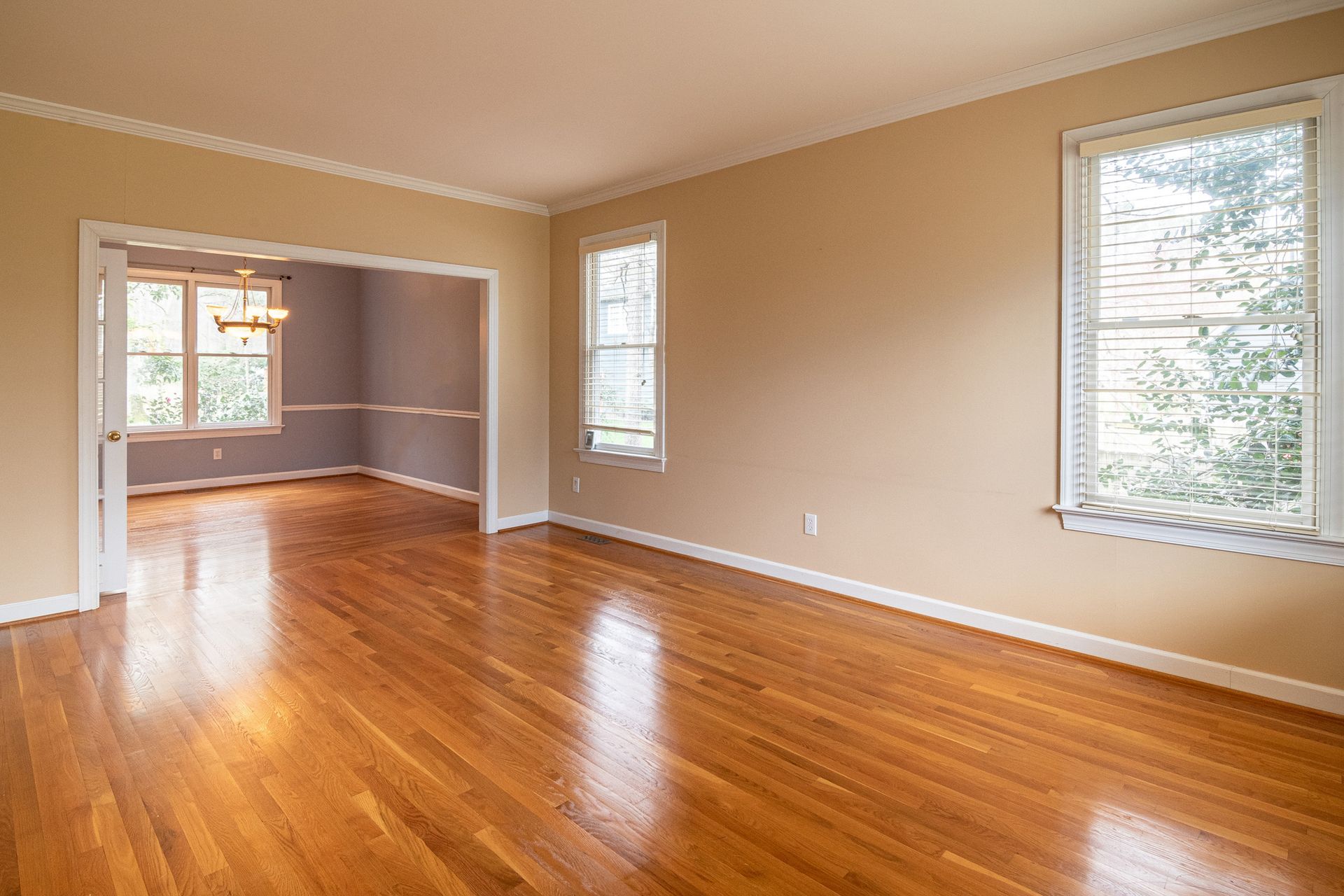
Trends in interiors come and go, but a few materials seem only to grow in appeal. Reclaimed wood flooring is firmly in that camp. As more homeowners look for character, sustainability and a sense of story underfoot, salvaged timber is having a real moment, and designers keep reaching for it long after the latest fashions have faded. Here is why it keeps winning them over, and what to think about before you lay it.
Character you simply cannot manufacture
Salvaged boards carry a depth of colour and patina that no factory finish can copy. The grain, the knots, the gentle wear of timber that has already lived one life in a mill, a barn or a Victorian townhouse; all of it adds up to a floor with genuine personality. When laid well, reclaimed timber gives a room instant warmth and authenticity. It sits just as comfortably in a pared-back modern scheme as it does in a period property, which is a large part of its appeal to designers who want a look that feels collected rather than bought off the shelf.
There is also something reassuring about a material that already looks lived-in. A brand-new floor can feel a little precious for the first few years. A reclaimed one arrives with its story intact, so the odd scuff or mark simply adds to the picture rather than spoiling it.
The sustainability case is hard to argue with
Choosing reclaimed timber keeps usable material out of landfill and reduces demand for newly felled wood, which is an easy win for anyone trying to build or renovate more responsibly. It is the definition of a circular choice: a material given a second life rather than sent to waste.
There is a quality dividend as well. Older boards were often cut from slow-grown, dense timber that is harder and more stable than much of what is milled today. That means a floor which can wear beautifully for decades, take repeated sanding and refinishing, and outlast cheaper modern alternatives several times over. Sustainable and durable rarely line up so neatly.
Where it works best
Part of the reason designers love reclaimed wood is its versatility. Wide oak boards can anchor a grand hallway or a country kitchen. Narrower, darker timbers suit a snug or a study. Pale, weathered planks lift a coastal or Scandi-inspired room. Since every batch is different, the floor becomes a feature in its own right rather than a neutral backdrop, and it pairs happily with everything from exposed brick to crisp white walls.
It also flattens natural light. The subtle variation across salvaged boards catches the sun differently through the day, giving a room a sense of movement that uniform, machine-finished flooring rarely manages.
The craft behind a good reclaimed floor
Reclaimed boards need careful selection, cleaning, de-nailing and sometimes re-machining before they are fit to lay, and the moisture content has to be right for the room or the floor will move once it is down. This is craft work, and it is where experience really shows.
That is why most people buy restored, ready-to-fit boards from a specialist rather than chasing raw salvage themselves. A dedicated supplier of reclaimed flooring takes on the hard part… sourcing, grading, restoring and preparing the timber so it performs like a quality new floor while keeping every bit of its history. Specialists such as Salagean Flooring do exactly that, which removes most of the risk and nearly all of the guesswork.
What to check before you buy
Ask about the provenance of the timber and how it has been treated. Check the boards have been kiln-dried or properly acclimatised to a suitable moisture level. Confirm the grading, so you know how much variation to expect across the floor. Be sure to ask whether the timber is compatible with underfloor heating if that matters to your project.
A floor that only improves with age
For designers and homeowners alike, the verdict is consistent: few materials deliver as much character per square metre. In a world of mass-produced finishes, a reclaimed floor feels considered, individual and quietly luxurious. Best of all, it is one of the rare choices that looks better the longer you live with it, which is exactly why it keeps winning.
