
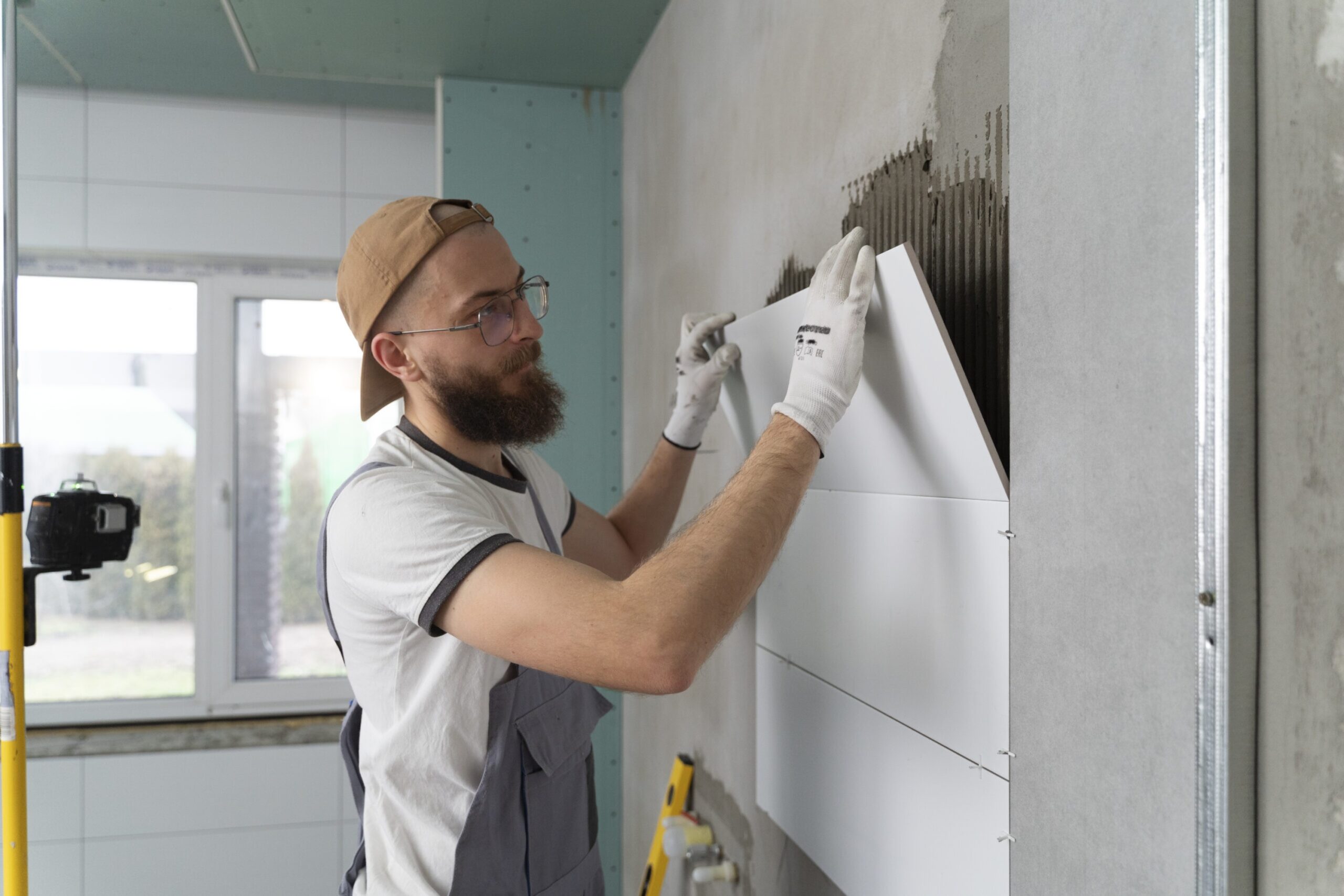
Home restoration is often associated with visible upgrades that make a space look newer and more appealing. A freshly painted wall, updated flooring, or modern fixtures can certainly change the atmosphere of a home, but these changes usually reflect only what the eye can see. Beneath those surfaces, many homes carry issues that develop slowly over time and are not immediately obvious during a quick inspection.
These underlying conditions can influence how well a property holds up under daily use and how it responds to age and wear. Looking at restoration through this wider lens reveals that it is less about surface presentation and more about how a home performs as a whole system.
Read on to understand why home restoration is about more than just cosmetic repairs.
Structural Integrity and Safety Improvements
Choosing the right type of support during restoration often depends on how widespread the damage is and which systems are affected. Some issues can be handled through targeted repairs, while others require coordinated professional intervention to prevent further complications.
The following are the most practical considerations when deciding how to proceed.
Structural repairs
These are essential when damage affects load-bearing elements or overall stability. Small visible issues like wall cracks can sometimes point to deeper concerns that require assessment before any surface work begins. Prioritizing these repairs helps avoid repeated fixes that only address symptoms rather than the cause.
Home damage restoration
This option is suited for broader situations where multiple areas of the home are affected at once. It often includes coordinated work across different systems, especially when conditions like water damage or hidden deterioration spread across rooms. In more complex cases, professional services are required to bring everything back under safe and usable conditions.
Some homeowners rely on providers such as Summit Cleaning & Restoration or other disaster restoration and facility service specialists to manage this level of work efficiently. Their involvement helps align repairs across structural, environmental, and safety concerns in a single coordinated effort.
Mold remediation
This becomes necessary when moisture has led to biological growth in concealed areas. It focuses on removing contamination at the source rather than masking visible signs. Addressing it early helps prevent recurrence and reduces long-term impact on indoor conditions.

Upgrading Electrical and Plumbing Systems
This part of restoration focuses on how a home functions behind its walls, where daily safety and reliability depend on hidden infrastructure. Electrical and plumbing systems often show signs of wear long after problems begin forming, which is why early attention helps prevent disruptions that affect the entire household.
Below are the key areas commonly addressed during this stage of work.
Electrical rewiring
Aging wiring can struggle to support modern appliances, especially in homes that have undergone multiple home repairs over time. Upgrading this system helps reduce overload risks and improves overall electrical consistency throughout the property.
Pipe replacement and leak repair
Small leaks often develop into broader issues involving water damage, especially when they go unnoticed behind walls or flooring. Updating older pipes helps maintain steady water flow and reduces the chance of hidden deterioration spreading across connected areas.
Panel and outlet upgrades
Many older homes were not designed for current energy demands, which makes distribution points less reliable under regular use. Improving these components supports safer usage patterns and reduces strain on the overall electrical system during everyday activities involving home improvement work.
Improving Energy Efficiency and Comfort
Proper insulation is one of the most cost-effective upgrades in any home improvement effort. Without it, conditioned air escapes through walls, ceilings, and floors, forcing heating and cooling systems to work harder. Adding or replacing insulation keeps indoor temperatures more consistent across seasons without placing extra demand on mechanical systems.
Windows and doors are another area where thermal performance matters. Gaps around frames or single-pane glass allow outdoor temperatures to bleed into living spaces, which raises energy consumption and reduces comfort. Sealed frames and double-glazed units cut down on drafts and help maintain a steadier indoor climate throughout the year.
Closely tied to thermal control is the quality of airflow inside the home. Poor ventilation allows moisture to accumulate, which raises humidity levels and creates conditions where mold can develop. Adjusting duct layouts or adding mechanical ventilation where needed helps maintain drier, healthier air in regularly occupied rooms. Home repair services that address ventilation often prevent the kind of moisture damage that quietly worsens over time.
Restoring Property Value and Long-term Usability
A well-executed home restoration process has a direct effect on what a property is worth in the market. Buyers and appraisers look closely at the condition of structural components, systems, and finishes when determining value. Homes that show evidence of deferred maintenance tend to attract lower offers or longer time on the market compared to those kept in good repair.
Addressing deterioration early is one of the more practical ways to protect that value over time. Minor damage that goes unattended often widens in scope and cost, turning manageable repairs into extensive replacements. Catching problems at an early stage keeps the overall investment in the property proportionate to what the home can reasonably return.
Beyond preventing decline, home improvement work also shapes how appealing a property is to prospective buyers or tenants. Updated interiors, functional layouts, and modernized finishes signal that a home has been maintained with care. That perception carries real weight during negotiations, often translating into stronger offers and shorter listing periods.
Final Thoughts
Home restoration reaches far beyond surface updates. It addresses structural stability, hidden system performance, energy efficiency, and long-term property value. Each layer plays a role in how a home functions, feels, and lasts. When these areas are properly restored, the result is a property that supports both present use and future resilience.
