
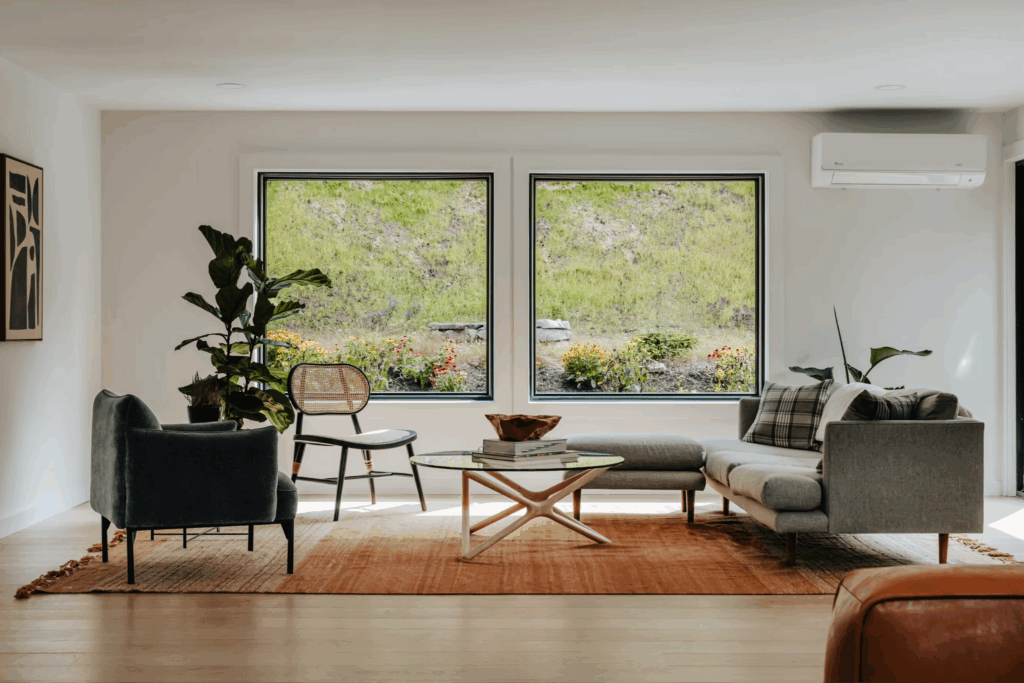
Your home should be more than just a place to live. It should be a sanctuary where you can truly relax, recharge, and feel your best. We often focus on making our homes look good, but creating a truly healthy environment goes deeper than just how things appear. The choices we make in decor, from the paint on our walls to the fabrics on our furniture, can really affect how we feel, both physically and mentally. And smart design ideas can help you get there.
Beyond Visual Appeal
What your home is made of really matters. Lots of common household items, like furniture made from particleboard, certain paints, and even carpets, can let off volatile organic compounds (VOCs) into the air. These chemicals can make your indoor air quality pretty poor and might even irritate you. If you choose solid wood furniture, paints with low or no VOCs, and hard floors like wood or tile, you can make your home much healthier. Thinking about eco-friendly interior design choices right from the start helps you build a healthier foundation for your living space.
Textile Choices for Cleaner Air
Soft things like curtains, rugs, and upholstery make a home feel super cozy, but they can also grab onto dust, pet dander, and other things that cause allergies. Synthetic fabrics like polyester and nylon can trap these tiny particles and might even release chemicals.
- Organic cotton
- Linen
- Hemp
- Wool
These materials are less likely to hold onto allergens and are often made with fewer chemicals. Plus, they add a lovely texture and natural beauty to any room. Don’t forget to regularly wash your curtains and vacuum rugs and upholstery to keep those textile allergens under control.
Reducing Indoor Air Pollutants
Everyday life brings all sorts of pollutants into your home. Dust mites, pet dander, pollen, and fumes from cooking or cleaning products can all affect your indoor air quality. Good ventilation is an important first step, but for people with allergies or sensitivities, it isn’t always enough. Alen air purifiers for dust are designed to capture fine airborne particles such as dust, pollen, and pet dander, helping create cleaner indoor air. Placing one in your bedroom or main living area can help reduce everyday irritants and create a more comfortable living environment.
Plants as Natural Air Filters
Bringing nature inside is one of the easiest and prettiest ways to make your home healthier. Houseplants aren’t just for decoration; many are fantastic at filtering out common indoor air pollutants. They soak up toxins and release fresh oxygen, naturally improving the air you breathe.
You don’t need to be a gardening expert to start. Lots of powerful air-purifying plants are also super tough. Try adding a few of these to your space:
- Snake Plant (Sansevieria)
- Spider Plant (Chlorophytum comosum)
- Peace Lily (Spathiphyllum)
- Pothos (Epipremnum aureum)
These plants do well in different light conditions and won’t mind if you forget to water them sometimes. Grouping a few can create a beautiful green spot while also working to clean your air.
Designing for Well-being
A healthy home also supports how you feel mentally and emotionally. How you set up your space can actually affect your mood and stress levels. For example, letting in as much natural light as possible is known to boost your mood and energy. Keep your window coverings light and airy, and use mirrors to bounce light into darker corners. A tidy space also helps create a sense of calm and order. By carefully choosing what you keep and making sure everything has a place, you cut down on visual clutter and make your home feel more peaceful. Choosing sustainable home decor not only helps the planet but also brings a sense of purpose and calm into your home.
Creating a healthy home sanctuary is an ongoing journey of making thoughtful choices. Every little decision, from the kind of pillow you buy to the plants you care for, helps build an environment that truly supports your well-being.
