
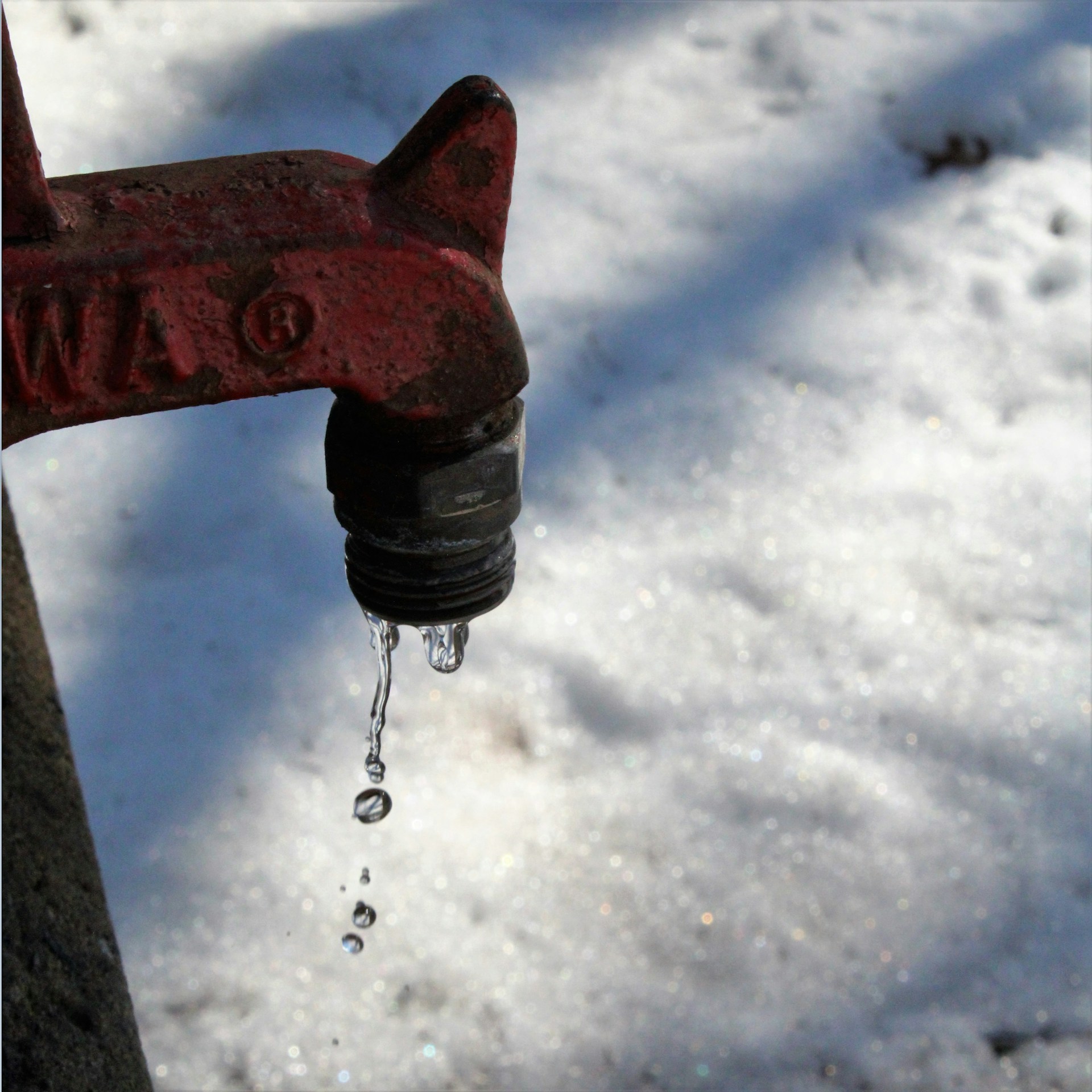
A small leak might seem harmless at first glance a slow drip under the sink, a faint damp spot on the wall, or a barely noticeable drop in water pressure. Many homeowners brush these issues aside, assuming they’re minor inconveniences that can wait. But in reality, even the smallest leak can spiral into a costly and damaging problem if left unchecked. What starts as a minor drip can evolve into structural damage, mold growth, and skyrocketing repair bills.
That’s why it’s critical to take action early instead of waiting for visible damage to appear. Many homeowners only start searching for plumbing services near me once a leak becomes an emergency but by then, the cost and damage have often multiplied. Understanding the true impact of a small leak and how to detect it early can save you time, money, and stress.
Why Small Leaks Are a Big Problem
It’s easy to underestimate a leak that seems insignificant. After all, how much damage can a few drops of water really cause? The answer: a lot more than you think.
A slow leak can waste hundreds or even thousands of gallons of water over time. Beyond the wasted resource, that water has to go somewhere. It seeps into walls, floors, insulation, and even your home’s foundation. The longer it goes unnoticed, the more damage it causes behind the scenes.
Unlike sudden pipe bursts, which demand immediate attention, small leaks are dangerous precisely because they’re easy to ignore.
The Hidden Financial Costs of Ignoring a Leak
1. Higher Water Bills
One of the earliest consequences of a leak is an increase in your water bill. Even a faucet dripping once per second can waste over 3,000 gallons of water per year. That’s money literally going down the drain.
Because the change is often gradual, many homeowners don’t immediately connect the higher bill to a leak allowing the problem to persist longer.
- Structural Damage
Water is incredibly destructive when it infiltrates building materials. Over time, it can:
- Weaken wooden beams
- Warp flooring
- Damage drywall
- Compromise your home’s foundation
What could have been a simple pipe repair can turn into thousands of dollars in structural restoration.
- Mold and Mildew Growth
Moisture creates the perfect environment for mold and mildew. Once mold begins to grow, it spreads quickly often in hidden areas like behind walls or under flooring.
Mold remediation is expensive and can also pose serious health risks, including:
- Respiratory issues
- Allergic reactions
- Skin irritation
Ignoring a leak doesn’t just affect your home it can affect your health.
- Damage to Personal Belongings
Leaks don’t discriminate. Water can ruin:
- Furniture
- Electronics
- Clothing
- Important documents
In many cases, insurance may not fully cover damage caused by long-term neglect, leaving homeowners to bear the cost.
- Reduced Property Value
If you plan to sell your home, hidden water damage can significantly lower its value. Home inspectors are trained to spot signs of leaks, mold, and structural issues.
A history of unresolved plumbing problems can:
- Delay a sale
- Reduce buyer confidence
- Lead to lower offers
- Increased Repair Costs Over Time
The longer a leak goes unaddressed, the more expensive it becomes to fix. What might have been a quick and affordable repair can turn into:
- Pipe replacement
- Mold remediation
- Flooring and drywall repairs
- Foundation work
Early action is always cheaper than delayed reaction.
Common Causes of Small Leaks
Understanding where leaks come from can help you stay proactive. Some of the most common sources include:
- Worn-out pipe joints
- Corroded pipes
- High water pressure
- Clogged drains
- Faulty fixtures
- Aging water heaters
In many homes, especially older ones, leaks are simply a matter of time without proper maintenance.
How to Catch a Leak Early
The good news is that most leaks give off warning signs if you know what to look for.
1. Monitor Your Water Bill
If your bill suddenly increases without a clear reason, it’s worth investigating. Compare usage month-to-month and look for unusual spikes.
- Check Your Water Meter
Turn off all water in your home and check the meter. If it continues to move, you likely have a hidden leak somewhere in your system.
- Look for Visible Signs
Keep an eye out for:
- Water stains on walls or ceilings
- Peeling paint or wallpaper
- Warped flooring
- Damp spots or puddles
These are often indicators of a hidden issue.
- Pay Attention to Smells
A musty or damp odor is often one of the first signs of hidden moisture. Even if you can’t see the leak, your nose might detect it.
- Listen for Unusual Sounds
If you hear dripping, hissing, or running water when no fixtures are in use, it could indicate a leak inside your walls or pipes.
- Inspect Under Sinks and Appliances
Regularly check areas under sinks, around toilets, and behind appliances like washing machines and dishwashers. These are common leak hotspots.
- Test Toilet Leaks
Toilets are a frequent source of hidden leaks. Add a few drops of food coloring to the tank and wait 10–15 minutes. If the color appears in the bowl without flushing, you have a leak.
Preventing Leaks Before They Start
While not all leaks are avoidable, you can significantly reduce your risk with preventative measures.
Regular Maintenance
Schedule routine plumbing inspections to catch small issues early. A professional can identify weak points before they fail.
Replace Aging Pipes
If your home has older plumbing, consider upgrading to modern materials. Older pipes are more prone to corrosion and leaks.
Manage Water Pressure
High water pressure puts stress on pipes and fixtures. Installing a pressure regulator can help extend the life of your plumbing system.
Install Leak Detection Devices
Smart leak detectors can alert you to problems in real time, even when you’re not home. These devices are especially useful for preventing major damage.
Insulate Pipes
In colder conditions, exposed pipes can freeze and crack. Proper insulation helps prevent this type of damage.
When to Call a Professional
Some leaks are easy to fix, like a loose faucet or worn washer. But many require professional expertise especially when they’re hidden behind walls or underground.
You should call a plumber if:
- You can’t locate the source of the leak
- The leak persists after a DIY fix
- There are signs of structural damage or mold
- Your water pressure suddenly drops
- Your water bill continues to rise
Professionals have specialized tools, such as leak detection equipment and cameras, to pinpoint issues without unnecessary damage to your home.
The Bottom Line
Ignoring a small leak is one of the most expensive mistakes a homeowner can make. What seems like a minor issue today can quickly escalate into a major problem affecting your home, finances, and health.
The key is early detection and quick action. By paying attention to warning signs, performing regular inspections, and addressing issues promptly, you can avoid costly repairs and keep your home safe.
In the end, a small drip is never “just a drip.” It’s a warning sign and one you shouldn’t ignore.
