
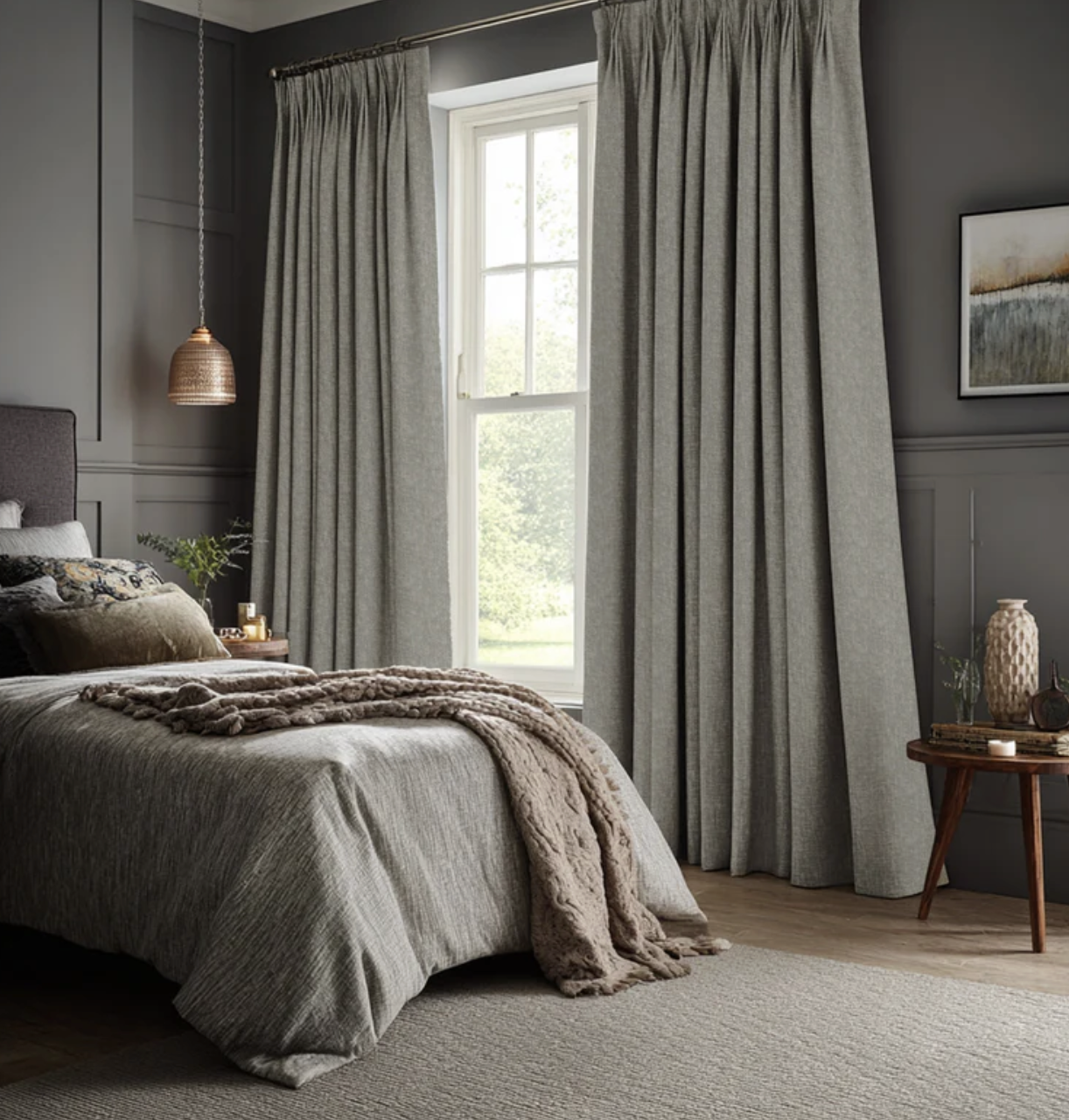
Choose curtains by the job each room needs them to do before choosing color, pattern, or header style. A living room may need scale and softness, while a bedroom may need privacy, light control, and a calmer mood. Kitchens, bathrooms, entryways, tall windows, wide windows, and awkward windows each create different fit problems, which is where custom curtains can solve more than size alone.
Start with what the room needs the curtains to do
Assign one main role to the window before comparing fabrics. If the room feels visually unfinished, prioritize proportion, length, and fullness. If the room faces neighbors or a street, prioritize opacity and closure. If the window gets harsh afternoon sun, decide whether you need light filtering, room darkening, or a lined setup before falling in love with a sheer fabric.
This order prevents the common mistake of buying panels that look good in a product photo but fail the room. A sheer linen look may soften daylight in a living room, but it will not give a bedroom the same privacy as an opaque or lined panel. A heavy floor-length drape can make a front room feel tailored, but it may feel impractical near a kitchen sink or a damp bathroom window.
Use the room’s daily routine as the filter: morning glare, evening privacy, sleeping darkness, cooking splatter, shower humidity, door swing, furniture placement, and daily operation.
Living rooms need scale, layers, and visual continuity
Living room curtains should connect the window to the rest of the room instead of sitting like a separate decoration. Mounting the rod higher than the trim and extending it past the frame helps the window feel larger and gives panels space to stack off the glass when open. Fullness matters here because flat panels make wide windows and sliding doors look underdressed, even when the fabric is beautiful.
For a polished living room, choose floor-length panels that just kiss or slightly clear the floor. Use texture to bridge the sofa, rug, and wall color: linen blends feel relaxed, velvet feels richer, and a subtle weave adds depth without forcing a pattern into the room.
If the room depends on daylight, layer sheers behind heavier panels or choose a light-filtering fabric that softens glare without closing the room down. For wide windows, extend the rod so the opened panels rest beside the glass instead of covering the view.
Bedrooms need controlled light, privacy, and a softer mood
Bedroom curtains should start with privacy and light control, then move to texture and color. A high-mounted sheer can look graceful in daylight, but at night it may reveal the wall gap above the window and fail to block silhouettes from outside. Opaque fabric, lining, or a layered setup usually works better when the room faces nearby homes, streetlights, or early morning sun.
For a softer bedroom, choose fabric with a relaxed drape instead of stiff material that forms sharp folds. If sleep is the priority, focus on the lining and edge coverage before assuming a dark fabric alone will solve the problem.
Floor-length curtains usually suit bedrooms best, but furniture under the window can change the decision. If a bed, radiator, or built-in storage blocks the drop, a shade or shorter treatment may work better than forcing full-length panels into a cramped layout.
Kitchens and bathrooms should stay light, practical, and easy to maintain
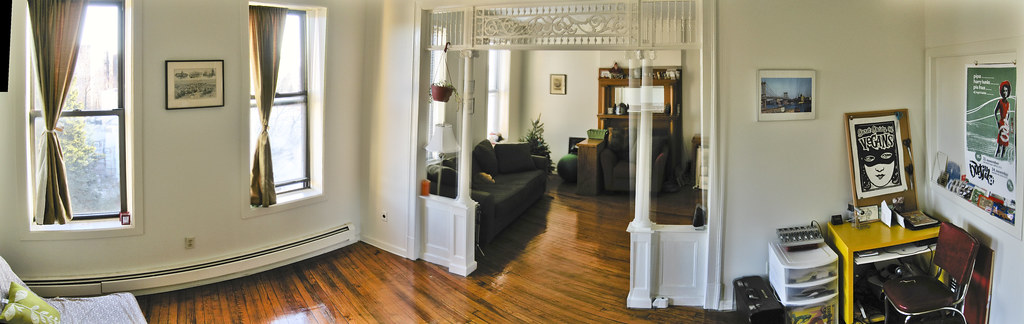
Kitchen curtains should not fight cooking, cleaning, or daylight. Shorter panels, cafe curtains, or light-filtering fabrics work well above a sink, counter, or breakfast nook. Avoid heavy puddling where dust, splashes, or traffic will make the hem look tired.
Bathrooms need privacy, light, and moisture awareness in the same decision. If the window is near a shower or tub, moisture-resistant shades or privacy film may outperform fabric curtains. If the window is outside the wet zone, a light curtain can soften the space as long as it dries easily.
Entryways need a tailored first impression without blocking movement
Entryway curtains should frame the architecture and stay out of daily traffic. Use them for sidelights, tall glass doors, narrow front windows, or adjacent windows that need privacy from the street. Keep the length controlled so fabric does not drag through dirt or interfere with a door swing.
If the entry is narrow, choose a cleaner header and a fabric that stacks neatly. If the window is tall, a longer panel can draw the eye up without adding bulky furniture to a small zone.
Tall, wide, and awkward windows are where custom sizing earns its keep
Tall windows need a deliberate drop because standard lengths often stop at the wrong place. Custom length lets you choose a clean floor kiss, a slight break, or a practical clearance based on the room.
Wide windows need enough fabric to close without stretching flat and enough rod or track width for panels to stack away from the glass. A pair of standard 50-inch panels can look thin on a large slider even if they technically cover the opening.
Awkward windows need layout judgment more than a universal rule. A window tight against a wall may need an asymmetric stack, a ceiling track, or a shade instead of a rod with finials. A radiator, built-in bench, or low furniture may make full-length curtains unsafe or visually crowded.
Final pre-order check: size, fullness, header, and support
Before ordering, confirm the rod or track span, finished length, panel fullness, header style, lining, and stack-back. Measure from the hardware position, not only the window frame, because rod height changes the final drop.
Order swatches when color or texture is uncertain, and use visualization or design support when the room has unusual proportions. A finished room comes from matching the room’s job, the window’s shape, and the exact way the panels hang.
