
Basement renovation sounds exciting in the beginning. You look at that underused space below the main floor and start imagining everything it could become. A movie room. A home gym. A guest suite. A playroom that keeps toys away from the living room. Maybe even a rental suite that helps with the mortgage.
Then reality walks in wearing dusty boots.
Suddenly, you are thinking about moisture, permits, insulation, ceiling height, electrical work, plumbing rough-ins, flooring, lighting, storage, heating, soundproofing, stairs, laundry access, and where on earth all the holiday decorations are supposed to go while the renovation is happening.
The good news is that basement renovation does not have to turn into a full family drama. It just needs a proper plan, a little patience, and the ability to make decisions before the walls are already open. A basement is not like decorating a bedroom. It is a space with mechanical systems, structural conditions, hidden problems, and a lot of practical details that need to be sorted out before the pretty part begins.
Here is how to plan it without turning your home into a stress factory.
Start With the Real Reason You Want the Basement Finished
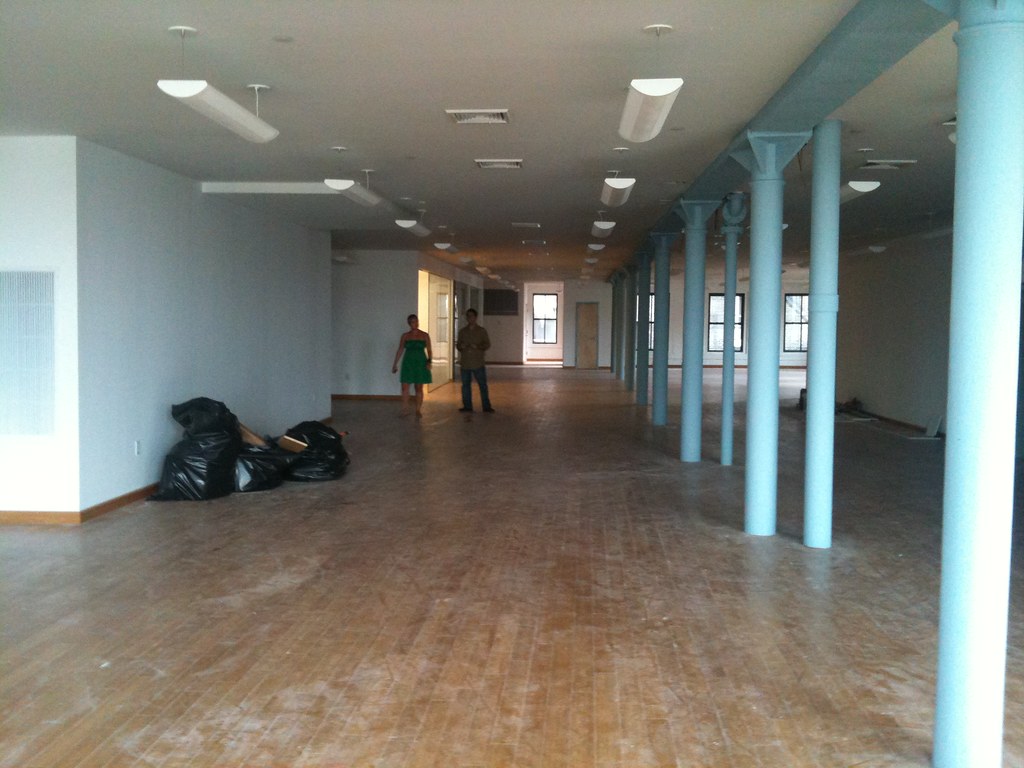
Before choosing flooring, paint colours, or the size of the TV, ask the boring but important question: what is this basement actually supposed to do?
Not the fantasy version. The honest version.
If it is for kids, you may need open space, durable flooring, storage, and a bathroom close by. If it is for guests, privacy and comfort matter more. If it is for a legal suite or rental setup, you are entering a different category altogether, with building codes, separate living requirements, fire safety, egress, plumbing, and possibly zoning rules. If it is for your own escape, maybe the priority is sound control, lighting, and making it feel less like a basement and more like a proper room.
A lot of renovation stress begins when the purpose is unclear. One person wants a sports bar. Someone else wants a quiet office. The kids think it should be a game room. The storage boxes have apparently decided they are permanent residents.
So, decide the main purpose first. You can still include flexible features, but the space needs one leading idea. That single decision will guide the layout, budget, materials, lighting, and even how much you should invest.
Do a Basement Reality Check Before Falling in Love With a Design
Basements can be sneaky. At first glance, the space may look simple: concrete floor, exposed ceiling, some pipes, a few posts, maybe a laundry area in the corner. But behind that plain appearance are details that can make or break the renovation.
Check for moisture. Look at the walls, floor, corners, window wells, and any areas near plumbing. A musty smell is also a clue. Water issues should be dealt with before finishing anything, not after the new drywall is painted.
Look at the ceiling height. A beautiful basement plan does not help if the finished ceiling feels too low or does not meet local requirements for certain uses. Pay attention to bulkheads too. Ductwork, beams, pipes, and wiring can affect where walls, lights, doors, showers, and built-ins can go.
Notice the mechanical systems. Furnaces, hot water tanks, electrical panels, sump pumps, shut-off valves, and cleanouts all need access. Hiding them completely may look nice for three weeks, until someone needs to service them. A smart basement plan keeps these things accessible without making the space feel unfinished.
This is also the stage where a professional eye helps. Before you build your dream plan around a Pinterest photo, speak with someone who understands basements as real construction spaces, not just mood boards. A renovation team such as Drytech Interiors can help homeowners think through layout, permits, construction sequence, and the practical details that make the difference between a finished basement that works and one that only looks good in photos.
Build a Budget That Has Room to Breathe
A basement budget should not be one neat number written on a sticky note. It should be a living, breathing thing with categories.
You need to think about framing, insulation, drywall, electrical, plumbing, HVAC, flooring, lighting, painting, doors, trim, fixtures, permits, waste removal, and labour. If you are adding a bathroom, wet bar, laundry changes, separate entrance, or suite-style setup, the budget can change quickly.
And then there is the contingency fund.
Nobody enjoys setting aside money for problems that may not happen, but basements are famous for surprises. Old moisture damage. Uneven floors. Strange wiring. Plumbing routes that do not cooperate. A drain where you did not expect one. A beam exactly where you wanted a clean open ceiling.
A contingency fund does not mean something will go wrong. It means you are not financially shocked if something does. Ten to twenty percent is often a sensible range, depending on the age and condition of the home.
The goal is not to spend more. The goal is to avoid panic decisions halfway through.
Plan the Layout Around Daily Life, Not Just Looks
A basement has to work with the rest of the house. Think about how people will move through it. Where will they enter? Will they pass laundry on the way to the TV area? Will guests have to walk through storage to reach the bathroom? Will noise from the basement travel upstairs? Will the home office be beside the furnace?
These details matter more than people think.
Try to keep noisy zones away from quiet zones. A playroom beside a bedroom may not be the best idea. A home theatre directly under the main bedroom might become a problem. A bathroom placed near existing plumbing can save cost, but only if it still makes sense for the layout.
Storage also deserves more respect. Many homeowners finish a basement and then realise they accidentally deleted the only place they had for suitcases, seasonal décor, tools, sports gear, and old boxes they are emotionally attached to for unclear reasons. Built-in cabinets, closets, under-stair storage, and mechanical-room shelving can keep the finished space from becoming cluttered within six months.
A good basement is not just beautiful. It is useful on a random Tuesday night.
Take Lighting Seriously
Lighting can completely change how a basement feels. Without it, even an expensive renovation can still feel underground.
Basements usually have limited natural light, so layering is important. Recessed lights can provide overall brightness. Wall sconces can add warmth. Lamps can soften a lounge area. Under-cabinet lighting can help in a wet bar or kitchenette. Task lighting matters in offices, hobby spaces, laundry areas, and gyms.
Also think about colour temperature. Harsh, cold lighting can make a basement feel like a storage unit. Warmer lighting usually feels more comfortable, especially in family rooms, guest spaces, and entertainment areas.
If the basement has windows, make the most of them. Keep window areas open where possible. Use lighter finishes nearby. Do not block the little daylight you already have with bulky furniture or tall shelving.
The aim is simple: make the space feel like part of the home, not the place where old furniture goes to retire.
Choose Materials That Can Handle Basement Life
Basement materials need to be practical. This does not mean boring. It just means you should choose finishes that respect the conditions of the space.
Flooring is a big one. Basements can be cooler and more moisture-prone than upper floors, so think carefully before choosing materials. Luxury vinyl plank, tile, engineered products, and other basement-friendly options are often more sensible than materials that react badly to moisture. If comfort is important, area rugs can soften the space without committing the whole floor to a risky choice.
For walls, insulation and moisture management matter before paint colour. For ceilings, you may need to decide between drywall, a drop ceiling, exposed painted systems, or a combination. Drywall looks clean, but access to pipes and mechanical systems may be harder later. A drop ceiling can be practical, though not everyone loves the look. The right answer depends on the basement.
For furniture, go durable and flexible. Sectionals, storage benches, washable fabrics, and pieces that can handle real family use will usually age better than delicate showroom choices.
A basement should not be precious. It should be comfortable enough to enjoy and tough enough to survive.
Understand Permits Before Work Begins
Permits are not the exciting part of renovation, but they can save a lot of trouble. Depending on the scope of work, you may need permits for structural changes, plumbing, electrical, HVAC, secondary suites, bedrooms, or major development work.
It may feel easier to skip the paperwork, but that shortcut can come back to bite you later, especially if you sell the house, speak to insurance, or discover that something was not built safely. If the basement includes a bedroom, egress requirements may apply. If it includes a suite, the rules can be much more detailed.
This is why planning ahead matters. It is far easier to design around code requirements at the beginning than to fix non-compliant work after everything is finished.
A permit does not exist to ruin your fun. It is there to make sure the finished space is safe, legal, and properly built.
Prepare for the Mess Before It Starts
Even the smoothest renovation will disrupt the home. There will be noise. There will be dust. People will come and go. Materials will need space. Decisions will need answers. Your normal routine will be interrupted.
Plan for that.
Clear the basement properly before work starts. Do not leave mystery boxes in the corner and assume workers will simply build around them. Move valuables, fragile items, and anything sentimental. Decide where construction materials can be stored. Protect pathways if workers need to move through the main floor.
If you work from home, think about noise. If you have pets, plan where they will stay during busy workdays. If children are in the house, make sure the work zone is clearly off-limits.
The less chaos you leave to chance, the easier the renovation feels.
Make Decisions Early, Then Try Not to Keep Changing Them
Changing your mind is normal. Changing your mind every two days is expensive.
Basement renovations move through phases. Once framing is done, moving walls becomes harder. Once plumbing is roughed in, relocating fixtures can cost more. Once electrical is placed, adding lights or outlets may delay the schedule. Once drywall is up, every change becomes more annoying for everyone.
This does not mean you need every tiny detail chosen on day one, but you should decide the major things early: layout, bathroom location, lighting plan, flooring type, ceiling approach, storage areas, and any special features.
A clear decision made early is usually better than the perfect decision made too late.
Keep Communication Simple and Regular
Renovation stress often comes from silence. Homeowners feel nervous when they do not know what is happening, and contractors get frustrated when decisions are delayed or instructions change through random texts, hallway comments, and half-remembered conversations.
Set a communication rhythm. Ask how updates will be shared. Put the bigger decisions somewhere you can actually refer back to, even if it is just an email or a shared note. And when a change comes up, do not leave it as a quick “yes, sure.” Make sure the price, timeline, and knock-on effects are clear before the work moves ahead.
Also, be honest about priorities. If staying on budget matters more than upgrading finishes, say that. If the deadline matters because family is visiting, say that early. If you care deeply about a certain feature, make it clear before it becomes difficult to include.
Good communication will not remove every problem, but it will stop small issues from becoming dramatic ones.
The Basement Should Feel Like a Reward, Not a Battle
A finished basement can change how a home lives. It can give a family breathing room, create privacy, support hobbies, add guest space, improve storage, or open up income potential. But it only feels rewarding when the planning is done properly.
The secret is not to rush into finishes. Start with purpose. Check the condition of the space. Build a realistic budget. Respect permits. Choose materials that make sense below grade. Plan lighting carefully. Keep storage in the design. Communicate clearly.
Most of all, remember that a basement renovation is not just about filling empty square footage. It is about turning the most overlooked part of the house into a space people actually want to use.
And if you can get through the process without losing your mind, that may be the first sign the renovation is already going well.
