
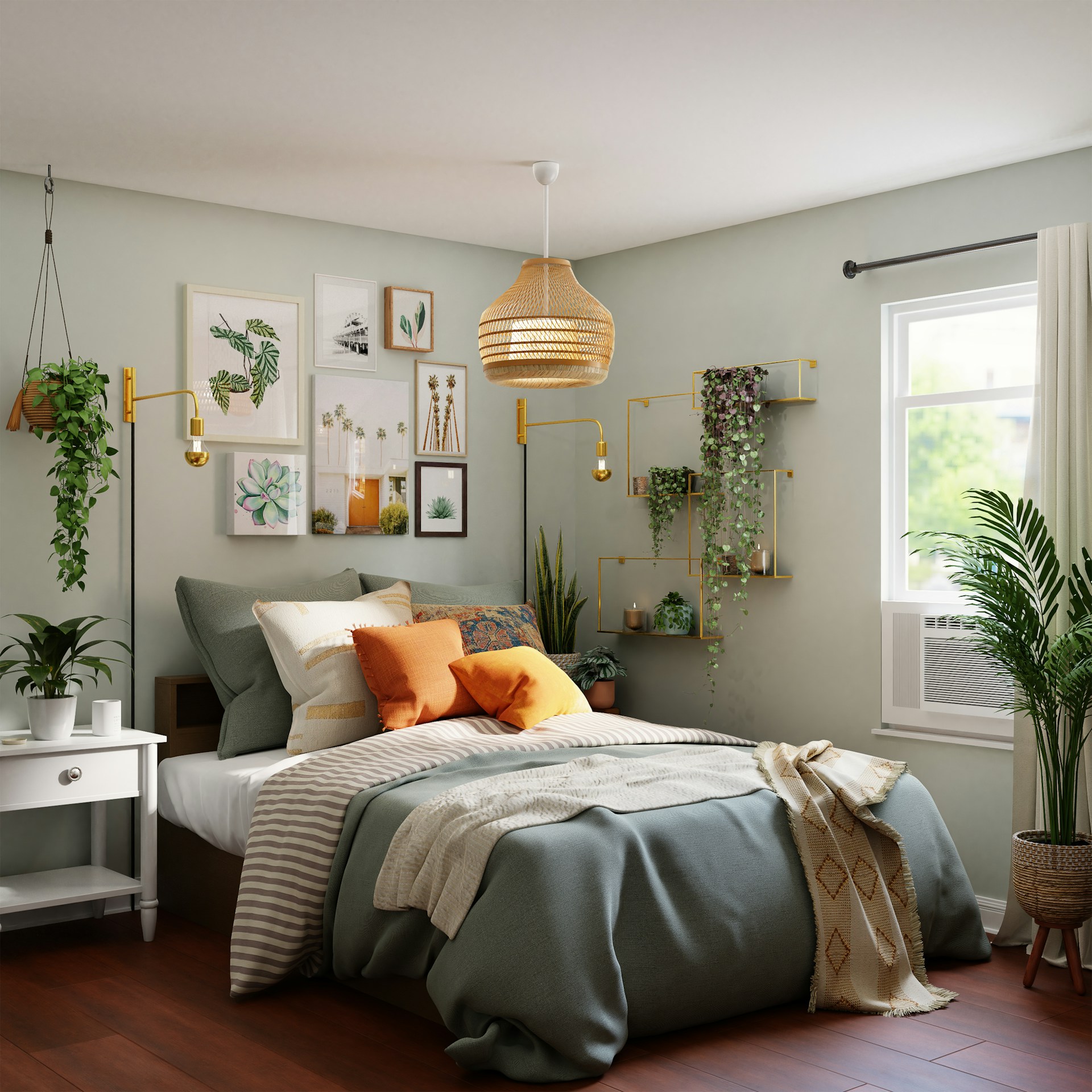
Southern rooms are exposed to intense sunlight throughout the day, particularly during the summer months – this light makes a space look bright but it also increases the temperature of the air indoors. Residents frequently find that these areas stay warm in the afternoon and evening while other parts of the building are cool. People can make the environment comfortable and decrease the cost of electricity if they limit the amount of heat that enters these rooms.
Managing the temperature in south facing rooms is possible through a combination of physical house upgrades and daily routines. Small changes to windows, insulation, ventilation and the position of furniture are effective over time. Reducing heat at the entry point is an efficient method to maintain a cool environment, if a resident uses natural air movement or a mechanical cooling system.
Window Covering Selection
Window treatments assist in the control of indoor temperatures. Sunlight is able to increase the temperature of floors, walls and furniture when it passes through glass without a barrier. People are able to choose thermal curtains, blackout drapes or layered blinds to decrease the amount of solar heat that enters a room during the warmest parts of the day. Materials with white or light tones are effective because they reflect light rather than absorbing thermal energy.
Exterior solutions for windows are also available to provide protection against rising temperatures. Solar screens and outdoor shades are tools that stop sunlight before it reaches the glass. Many people use both indoor curtains and outdoor shading to achieve better results during periods of high temperature – these additions are helpful for reducing the workload of cooling systems.
Ventilation Improvement
Proper ventilation is a method for removing warm air from south facing rooms. Opening windows when the outside air is cool in the morning and evening allows for natural air circulation. Cross ventilation is effective when windows or doors on opposite sides of a building are open at the same time – this process is a way to move warm air out while bringing cool air inside.
Ceiling fans are also useful for moving air and creating a comfortable sensation. Fans are not tools for lowering the actual temperature of a room but they are effective for distributing air and reducing a sense of heaviness in the atmosphere. Some owners install attic vents or exhaust systems if air movement is poor. Individuals who are considering an AC installation Edmonton service often prioritize air circulation first to ensure the cooling system is efficient.
Heat Reduction Through Interior Design
The temperature of a room depends on interior colors and materials. Surfaces like dark flooring plus thick rugs are problematic because they absorb heat from sunlight. You can keep a room cool – using light colored surfaces and breathable materials. Pale wood finishes but also cotton fabrics are effective for warm environments.
Furniture placement is another factor in south facing rooms – Large items that are in front of windows are obstacles for air movement and can cause heat to stay in specific areas. Moving furniture to allow for better air flow is a way to improve comfort. Keeping electronic devices that produce heat away from direct sunlight is also a method for reducing warmth during the day.
Outdoor Shade Solutions
Shading outside the home is an effective strategy for the long term reduction of heat. Pergolas and covered patios are structures that block sunlight before it reaches the exterior of the house. Deciduous trees are helpful because they provide shade in the summer but allow light to enter when their leaves fall in the winter – this characteristic is useful for year round comfort.
Landscaping changes are also ways to create cooler indoor conditions. Shrubs that are tall, plants that climb on trellises and outdoor screens are tools that lower the amount of sun that hits the home – these additions are ways to stabilize indoor temperatures. Reducing direct exposure to the sun is a method for decreasing the need for continuous cooling.
Insulation & Sealing
Insulation functions as a barrier that stops heat from the outdoors from entering through walls and ceilings. Older structures often have insufficient insulation, which permits heat to move inside easily.
Attics and walls stay cooler when owners add insulation to these areas.
This modification is effective because it maintains low indoor temperatures for extended durations.
Warm outdoor air enters through gaps near windows and doors. Sealing these openings with weather stripping or caulk is a method to improve energy efficiency. Residents who operate an air conditioner are likely to experience more consistent temperatures after they close the leaks. Limiting the heat that enters a building is a standard way to lower the need for mechanical cooling.
Daily Habits for Cooler Rooms
Simple routines are helpful for keeping south facing rooms comfortable. Closing curtains before the afternoon is a way to prevent sunlight from entering. Limiting the use of an oven during the hottest hours is also a method to keep indoor temperatures low.
Lighting choices are also important during the summer – Bulbs that are incandescent produce more heat than options that are energy efficient, like LED bulbs. Turning off electronics that are not in use is another way to lower warmth – these habits are effective for keeping rooms cool when they are combined with shading, insulation and ventilation.
