
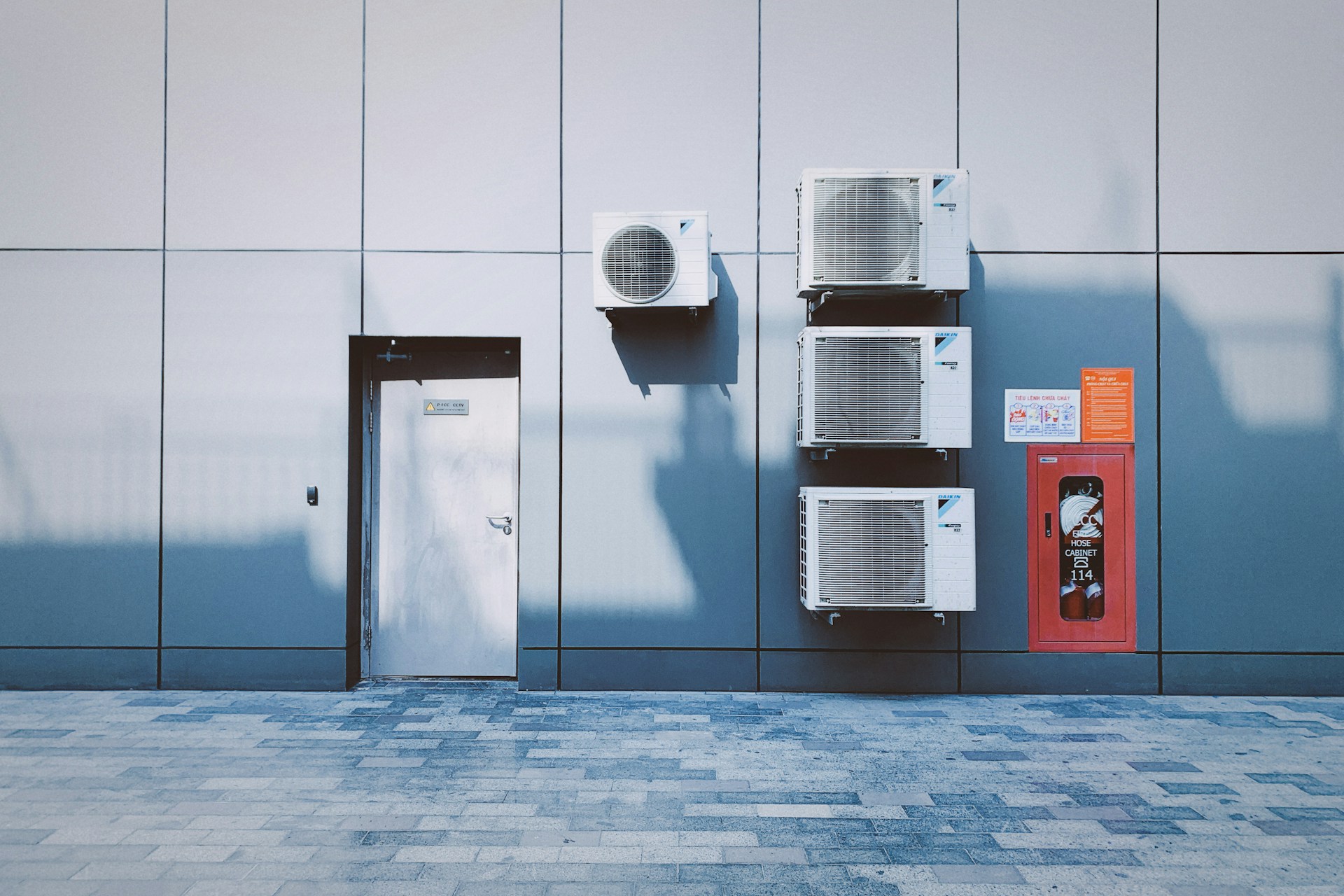
Low airflow from an air conditioning system is one of the most common problems homeowners experience during the summer months. Even if the AC unit appears to be running normally, weak airflow can make rooms feel uncomfortable, increase energy bills, and place extra strain on the entire HVAC system. Many homeowners notice that their vents are barely pushing cool air, certain rooms stay warmer than others, or the system runs constantly without properly cooling the home.
When airflow problems begin affecting comfort and efficiency, homeowners often seek professional help through services like https://grovehvac.com/crofton-md-air-conditioner-repair/ to diagnose and fix the issue before it becomes more serious. Low airflow can result from several different causes, including clogged filters, damaged ductwork, frozen coils, blower motor problems, or blocked vents. Some issues are simple to fix, while others may require professional HVAC repairs.
Understanding the most common causes of poor airflow can help homeowners recognize warning signs early and maintain a more efficient and reliable cooling system.
Why Proper Airflow Matters
Airflow is essential for an air conditioning system to function correctly. Your HVAC system relies on steady airflow to circulate cool air throughout the home while removing heat and humidity from indoor spaces.
- Uneven cooling
- Higher energy bills
- Increased humidity
- Frozen evaporator coils
- Excess wear on HVAC components
- Reduced indoor comfort
- Shortened equipment lifespan
Poor airflow forces the system to work harder to maintain the desired temperature, which increases stress on the entire system over time.
Dirty Air Filters
One of the most common causes of low airflow is a dirty or clogged air filter.
Air filters are designed to capture:
- Dust
- Dirt
- Pet dander
- Pollen
- Airborne debris
Over time, these particles accumulate inside the filter and restrict airflow through the HVAC system.
Signs of a clogged filter include:
- Weak airflow from vents
- Dust buildup inside the home
- Longer cooling cycles
- Rising energy bills
- Reduced cooling performance
Dirty filters not only affect airflow but can also lead to frozen coils and system overheating.
Replacing filters regularly is one of the easiest and most important HVAC maintenance tasks homeowners can perform.
Blocked or Closed Air Vents
Sometimes low airflow problems are caused by blocked or closed vents throughout the home.
Furniture, rugs, curtains, or storage items may accidentally block airflow from supply vents. In other cases, homeowners close vents in unused rooms thinking it will improve efficiency, but this can actually disrupt system airflow balance.
Blocked vents may lead to:
- Uneven temperatures
- Increased pressure in ductwork
- Reduced system efficiency
- Weak airflow in other rooms
Keeping vents open and unobstructed helps maintain consistent airflow throughout the home.
Leaky or Damaged Ductwork
Air ducts are responsible for carrying cooled air from the HVAC system to different rooms in the house. If ductwork becomes damaged or develops leaks, conditioned air may escape before reaching living spaces.
Common ductwork issues include:
- Cracks
- Loose connections
- Collapsed ducts
- Poor insulation
- Disconnected sections
Leaky ducts can significantly reduce airflow while increasing cooling costs.
Signs of duct problems may include:
- Uneven room temperatures
- Weak airflow
- Excess dust
- High energy bills
- Whistling noises inside walls or ceilings
Older homes are especially vulnerable to duct deterioration over time.
Professional duct inspections can identify leaks and airflow restrictions that are difficult to detect visually.
Frozen Evaporator Coils
Frozen evaporator coils are another major cause of low airflow.
The evaporator coil absorbs heat from indoor air, but when airflow becomes restricted or refrigerant levels drop, moisture on the coil may freeze.
Frozen coils can result from:
- Dirty filters
- Refrigerant leaks
- Blower motor issues
- Blocked return vents
- Dirty coils
As ice builds up around the evaporator coil, airflow becomes increasingly restricted.
Homeowners may notice:
- Weak airflow
- Warm air from vents
- Ice buildup near the indoor unit
- Water leaks after thawing
Turning off the AC system may temporarily allow the ice to melt, but professional service is often needed to fix the underlying issue.
Blower Motor Problems
The blower motor is responsible for pushing cooled air through the duct system and into the home.
If the blower motor begins failing, airflow can weaken significantly.
Common blower motor issues include:
- Worn bearings
- Electrical failures
- Motor overheating
- Belt damage
- Dirt accumulation
Signs of blower motor trouble may include:
- Weak airflow
- Strange noises
- Intermittent airflow
- Burning smells
- System shutdowns
Blower motor repairs should always be handled by trained HVAC professionals because they involve electrical components and mechanical systems.
Dirty Evaporator or Condenser Coils
Over time, HVAC coils naturally collect dirt and debris.
Dirty evaporator coils reduce the system’s ability to absorb heat, while dirty condenser coils make it harder to release heat outdoors.
This can lead to:
- Reduced airflow
- Weak cooling
- Longer cooling cycles
- Increased energy use
- System overheating
Outdoor condenser units may become clogged with:
- Leaves
- Grass clippings
- Dirt
- Debris
Indoor evaporator coils may accumulate dust and mold over time.
Routine professional cleaning helps maintain proper airflow and system efficiency.
Refrigerant Leaks
Low refrigerant levels can also contribute to airflow problems.
Refrigerant is necessary for the cooling process, and when levels become too low due to leaks, the evaporator coil may freeze and restrict airflow.
Signs of refrigerant leaks include:
- Warm air from vents
- Hissing sounds
- Ice buildup
- Reduced cooling
- Longer cooling cycles
Refrigerant handling requires specialized tools and certifications, so professional HVAC repair is necessary.
Clogged Return Air Ducts
Return air ducts pull warm indoor air back into the HVAC system to be cooled again.
If return vents become blocked or clogged, the system struggles to circulate air properly.
Common causes include:
- Dust buildup
- Pet hair accumulation
- Blocked vents
- Dirty filters
Restricted return airflow can reduce overall system performance and place additional strain on the blower motor.
Homeowners should regularly inspect return vents and keep them free from obstructions.
Improperly Sized HVAC Systems
Sometimes low airflow issues stem from improper HVAC system sizing.
An undersized system may struggle to move enough air throughout the home, while oversized systems may short cycle and fail to distribute air evenly.
Improper sizing can cause:
- Uneven cooling
- Weak airflow
- Increased humidity
- Higher energy bills
- Reduced comfort
Professional HVAC load calculations help determine whether the system size matches the home’s cooling requirements.
Thermostat Problems
Although thermostats do not directly control airflow, incorrect thermostat operation can create airflow-related symptoms.
Faulty thermostats may cause:
- Short cycling
- Inconsistent cooling
- Continuous running
- Poor temperature control
If the system cycles on and off improperly, airflow may feel weaker or inconsistent.
Smart thermostat upgrades can improve airflow management and overall HVAC efficiency.
Obstructed Outdoor Condenser Units
The outdoor condenser unit requires adequate airflow to release heat efficiently.
If the outdoor unit becomes blocked by vegetation, debris, or dirt, system performance may decline.
Homeowners should maintain at least a few feet of clear space around the condenser.
Blocked outdoor airflow can contribute to:
- Weak indoor airflow
- Reduced cooling
- Compressor overheating
- Increased energy consumption
Routine outdoor unit cleaning helps maintain system performance during heavy summer usage.
Aging HVAC Systems
Older HVAC systems naturally lose efficiency over time.
As components wear down, airflow problems may become more common due to:
- Failing blower motors
- Dirty internal components
- Duct deterioration
- Reduced system capacity
Most central air conditioning systems last between 10 and 15 years with proper maintenance.
If airflow problems become frequent in an aging system, replacement may eventually be more cost-effective than repeated repairs.
Lack of Preventive Maintenance
One of the biggest contributors to airflow problems is simply neglecting routine HVAC maintenance.
Without regular inspections and cleaning, small issues gradually worsen over time.
Preventive maintenance helps:
- Improve airflow
- Reduce breakdowns
- Increase efficiency
- Extend equipment lifespan
- Lower energy costs
Professional HVAC tune-ups usually include:
- Coil cleaning
- Airflow testing
- Filter inspection
- Motor lubrication
- Refrigerant checks
- Electrical testing
Homeowners who invest in annual maintenance often experience fewer airflow-related issues.
High Humidity and Airflow Performance
Humidity levels can also affect how airflow feels inside the home.
In humid climates, air may feel heavier and less comfortable even when the AC system is running properly.
If humidity control becomes poor, homeowners may notice:
- Sticky indoor air
- Reduced comfort
- Longer cooling cycles
- Increased mold risk
Modern HVAC systems with variable-speed technology often provide better humidity control and more consistent airflow.
Warning Signs of Serious Airflow Problems
Homeowners should contact an HVAC professional if they notice:
- Weak airflow from multiple vents
- Ice buildup on HVAC components
- Warm air from vents
- Loud HVAC noises
- Frequent system cycling
- Rising utility bills
- Uneven room temperatures
Ignoring these warning signs can lead to more severe HVAC damage and higher repair costs.
How HVAC Professionals Diagnose Airflow Problems
Professional HVAC technicians use specialized tools to measure airflow and identify restrictions throughout the system.
The diagnostic process may include:
- Airflow testing
- Static pressure measurements
- Duct inspections
- Refrigerant pressure checks
- Blower motor testing
- Thermostat evaluation
This detailed inspection helps technicians identify both immediate problems and long-term efficiency concerns.
Final Thoughts
Low airflow from an AC system can significantly affect comfort, energy efficiency, and overall HVAC performance. While some causes are simple, such as dirty air filters or blocked vents, other issues may involve refrigerant leaks, frozen coils, failing blower motors, or damaged ductwork.
Ignoring airflow problems often allows small issues to become larger and more expensive over time. Weak airflow not only reduces cooling performance but also places additional strain on HVAC components, increasing the risk of breakdowns during the hottest months of the year.
By recognizing early warning signs and scheduling professional maintenance and repairs when needed, homeowners can improve airflow, maintain indoor comfort, and extend the lifespan of their air conditioning system.
