
Pergolas change outdoor areas in big ways. When shade matters for quiet time, when hosting friends feels more inviting, or when property worth goes up – building one becomes something worth doing yourself. The effort sticks with you.
Here’s what makes it click: no expert skills required. Picture this – careful prep, solid gear, good supplies. That mix builds strength and charm. Think clean lines, lasting frame, like something styled for print. Effort shows without shouting.
Starting at the beginning, this guide covers each key stage, moving on to site selection before shifting toward final details.
What Is a Pergola?
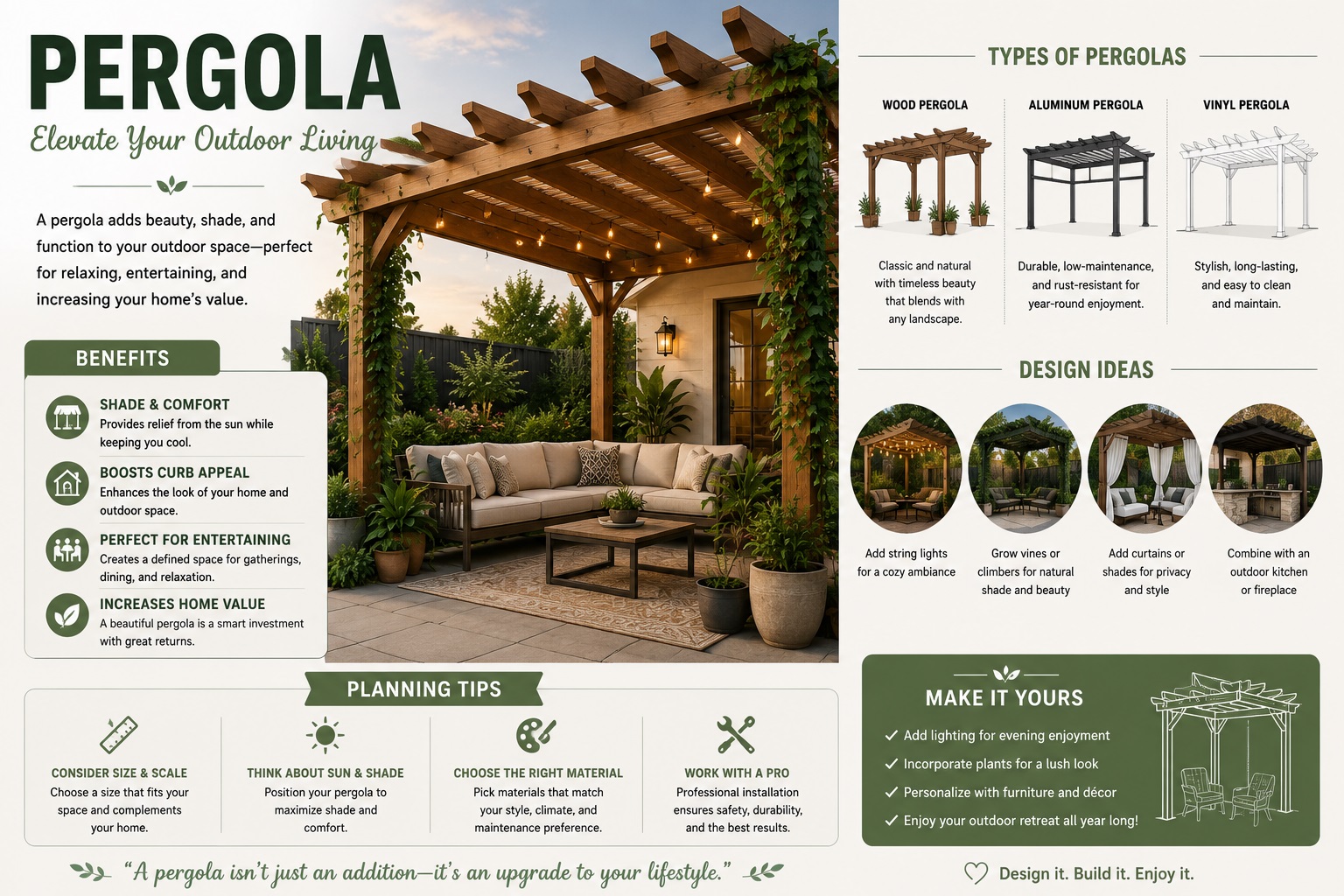
Pillars stand tall to hold up crossbeams and slats overhead in a pergola, which lives outside. Sunlight slips through gaps above because the top stays open, not sealed like a gazebo’s ceiling. Air moves freely where shadows stretch only partway across the ground below.
They’re perfect for:
- Backyard patios
- Garden walkways
- Outdoor dining areas
- Poolside seating
- Rooftop spaces
Some newer pergolas hold up vines that twist around the beams.
Plan Before You Build
Start by sketching out the frame before touching tools or breaking ground. That first pause? It keeps mistakes small, costs lower, headaches fewer down the road.
Choosing Where to Be
A spot that’s level and wide works best when setting up your structure. Usually folks choose spots like patios, decks, or outdoor sitting spaces where shade makes sense.
Think about:
- Sunlight direction
- Drainage
- Nearby trees or structures
- Privacy
- Wind exposure
Where heat peaks, that is where a pergola works best. Its shadow should fall when sun burns strongest. Place it so relief comes just when needed most.
Louvered Pergola Roof Systems: Functionality Meets Aesthetic Appeal
Decide the Pergola Size
A small yard might need just a compact setup. Bigger areas could allow roomier options. What you plan to do outside shapes the choice too.
Most folks run into these sizes pretty often:
| Purpose | Suggested Size |
| Small seating area | 8×8 feet |
| Dining setup | 10×12 feet |
| Large entertainment area | 12×16 feet or bigger |
Twelve by sixteen feet. Or larger sizes work too. Bigger than that fits well also
Height matters just as much. Around eight to ten feet works for most pergolas.
Materials You’ll Need
Start with strong stuff if you’re putting up a pergola. Picking long-lasting parts really matters when looking into builds.
Common Pergola Materials
- Pressure-treated timber
- Cedar wood
- Redwood
- Aluminum
- Vinyl
Still, wood wins out – its look feels alive, its build stands firm. Though other materials try, none match how it holds up while fitting in.
Basic Tools Required
- Measuring tape
- Post hole digger
- Drill
- Circular saw
- Level
- Ladder
- Screws and bolts
- Concrete mix
- Protective hand coverings along with eye shields
Making the Most of Your Garden: The Many Benefits of Verandas and Pergolas
Step-by-Step: How to Build a Pergola
Here’s where things start to take shape.
Mark the layout
Start by marking the pergola spot with stakes tied together using string. Check that corners match up right – measure corner to opposite corner both ways just to be sure.
Mark where each post will go.
Dig the post holes
Buried posts should go down close to two feet. How far depends partly on weather patterns where you live, also what rules apply locally.
For better stability:
- Add gravel at the bottom
- Space the holes so they sit at equal distances apart
- Use a level while positioning posts
- Set the Posts
Bury the posts in the holes, then fill the gaps with wet concrete. Straighten each one using makeshift supports until the mix hardens completely.
Wait until the concrete is completely dry. Most of the time, that means one or two full days.
Install Support Beams
With the posts firmly in place, run the horizontal beams along the top edge. Starting where each post meets the frame, stretch supports straight across. After anchoring every upright, link them above using long wooden pieces. When all verticals are set, bridge their tops evenly. Only when stability is confirmed, lay the crossbeams fully connected.
Bolts built tough handle stress better than basic screws. Strength jumps when you swap out weak fasteners for sturdier ones. Heavy metal pins lock things down where regular threaded rods fail. Solid joints start with hardware that won’t bend under pressure.
Build this part first – it becomes the backbone of the pergola structure.
Add Rafters
Across the beams stretch rafters, shaping that distinct pergola roof look.
Arrange each one at equal distance so it looks steady. When gaps match, things feel settled.
Some people shape the edges of roof beams into smooth curves or sharp angles just because it looks nice. A little detail like that changes how the whole eave feels without saying much at all.
Install Cross Slats
Slanting across the rafters, cross slats throw more shadow, shaping a sharper look.
How much light gets through decides the gap size.
Shade grows thicker when slats sit near one another. Light slips through easily if spaces between stretch open.
Sand Stain or Paint
Once building finishes, go over sharp spots with sandpaper to even them out.
After that, cover the wood with something protective like.
- Exterior wood stain
- Waterproof sealant
- Outdoor paint
Over time, this simple step makes the pergola last longer while holding onto its clean appearance. A small effort now pays off in lasting charm down the road.
How to Blend Architecture and Nature for a Cohesive Luxury Landscape
Pergola Design Ideas
Start by knowing the basics of pergola construction, then let your ideas shape it uniquely. A solid grasp opens room for imagination to step in. From there, small changes make it yours without extra effort. Details shift easily when the foundation is clear. Personal touches fit naturally once structure makes sense. Design follows function, yet style finds its place too.
Popular additions include:
Outdoor Lighting
Pretty little bulbs draped overhead change how a room feels right away. Lights that hang down bring warmth without trying too hard.
Climbing Plants
Climbing up posts, jasmine weaves through overhead beams. Wisteria follows close behind, draping limbs across open spaces. Ivy twists slowly along supports, filling gaps with leafy cover. Together they form pockets of coolness where sunlight once poured.
Curtains and Privacy Screens
Flowing fabric outside windows brings grace along with shielded spaces plus defense against sunlight.
Built-In Seating
Parked under the shade, benches might just become your favorite spot to unwind. A sofa outside could do the trick too, turning that pergola into a quiet corner for slow afternoons.
Check If You Need a Permit?
Some small pergolas skip the paperwork, yet size can change that fast. Big ones usually need approval, even when little versions slide by.
Always check:
- Local building regulations
- Property boundary rules
- HOA guidelines if applicable
Fines might hit if you skip permits – later problems too, should you decide to sell. Home sale hurdles often trace back to overlooked paperwork like that.
Common Mistakes to Avoid
Most seasoned DIYers slip up while putting together pergolas.
Most people trip up here without realizing it:
- Using untreated wood
- Poor spacing between posts
- Ignoring drainage issues
- Skipping measurements
- Weak foundation support
A well-built pergola finds balance – its look matters just as much as how solid it stands.
Top Landscaping Trends to Transform Your Yard
How Much Does It Cost to Build a Pergola?
Size matters when figuring price. Materials shift the number too.
| Pergola Type | Estimated Cost |
| Basic DIY wood pergola | $500–$1,500 |
| Premium cedar pergola | $2,000–$5,000 |
| Custom luxury pergola | $5,000+ |
Start saving right away when you skip hiring help. Tackling tasks solo trims expenses fast. Handling things alone cuts out paychecks owed. Going solo means less money spent on workers. Skip the crew, keep more cash in your pocket.
Final Thoughts
Starting out, building a pergola might feel like too much. Yet when divided into small tasks, it gets simpler fast. Instead of rushing, take time with layout and dimensions. Once posts go in straight, strength follows naturally. After that, trim or shade elements add character without fuss. Each part connects so the whole thing lasts long outdoors.
A strong pergola changes how you use your yard, turning ordinary moments into something more. Not only does it offer shade, it invites time outside, slow mornings or long evenings. Even a basic version adds value, while a detailed one can become a favorite spot. What matters most is that it fits how you live, giving structure without taking over. Effort put here stays, growing more useful each season.
