
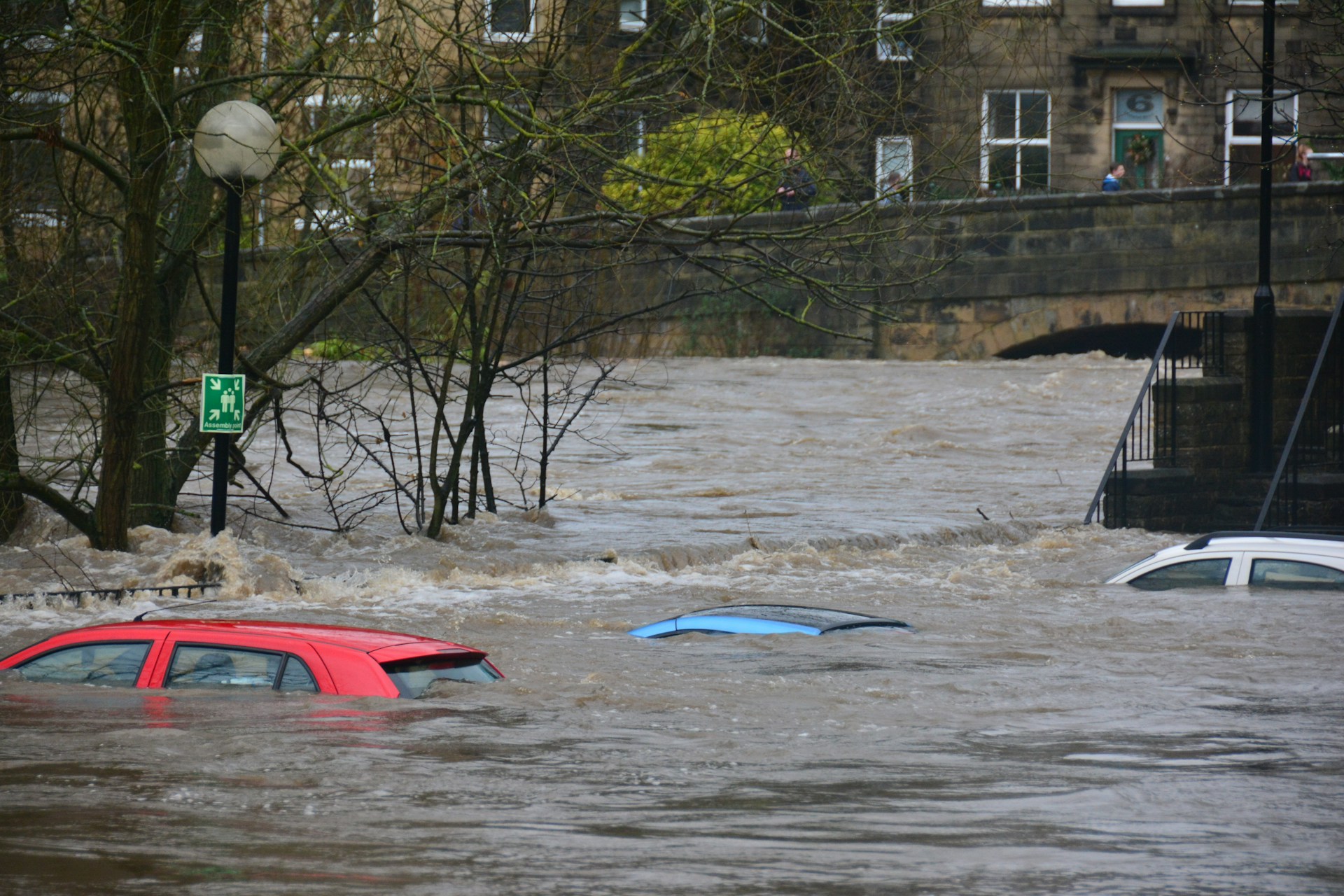
Flood damage is one of the most disruptive emergencies a business can face. A sudden flood can close doors, damage inventory, interrupt employees, create safety risks, and leave customers wondering when operations will return to normal.
For commercial property owners and managers, the goal is not only to remove water. The bigger priority is restoring a safe, functional environment as quickly as possible while protecting the building, staff, customers, equipment, documents, and revenue. A clear flood response plan can make the difference between a short interruption and a long, expensive shutdown.
Why Commercial Flood Damage Is Different
Flooding in a commercial property is more complicated than water damage in a single room at home. Businesses often have larger floor plans, complex electrical systems, expensive equipment, customer-facing areas, inventory storage, employee workspaces, and strict safety responsibilities.
A flooded office, restaurant, retail store, warehouse, clinic, or apartment building may also involve multiple people who need access to the space. Employees may need to retrieve belongings, tenants may have questions, customers may arrive unaware of the closure, and vendors may still be scheduled for deliveries.
That is why commercial flood response needs to be organized from the beginning. The property must be secured, the source of water must be identified, affected areas must be isolated, and the cleanup process must be documented.
Put Safety Before Cleanup
The first step after any flood is safety. No one should walk through standing water until electrical hazards have been addressed. Water and electricity are a dangerous combination, especially in commercial spaces with outlets, machinery, lighting systems, server rooms, kitchen equipment, or exposed wiring.
If the building has significant flooding, shut off power only if it can be done safely. Otherwise, wait for qualified professionals or emergency responders. Employees, customers, and tenants should be kept away from affected areas until the space has been evaluated.
Floodwater can also carry contaminants. Water that enters from outside may include sewage, chemicals, bacteria, pesticides, fuel, and debris. Even if the water looks clear, it may still be unsafe. Anyone entering the area should use protective gear, including waterproof boots, gloves, eye protection, and a mask.
Secure the Property and Limit Access
A commercial flood site should be controlled quickly. Block off affected areas with visible signs, tape, barriers, or temporary fencing if needed. This helps prevent slips, falls, contamination exposure, and unauthorized entry.
If the business is open to the public, communicate clearly with customers. Post temporary closure notices at entrances, update online business hours, and use email or social media to share important updates.
For multi-tenant properties, property managers should notify tenants as soon as possible. Explain which areas are affected, whether utilities are impacted, and who to contact for updates. A lack of communication can create confusion and unnecessary risk.
Document Damage Before Major Cleanup
Before items are moved or discarded, take photos and videos of the damage. Capture standing water, wet flooring, damaged walls, soaked inventory, affected equipment, damaged furniture, and any visible source of water entry.
Documentation is especially important for commercial insurance claims. Keep records of emergency calls, restoration invoices, equipment rentals, temporary repairs, damaged inventory, lost business operations, and communication with insurance representatives.
If inventory or business equipment is affected, create a detailed list. Include item names, quantities, approximate values, purchase dates if available, and photos. This can help support the claim and speed up the recovery process.
Remove Standing Water Quickly
Standing water should be extracted as soon as the area is safe. The longer water remains in a building, the more damage it can cause. Flooring can buckle, drywall can weaken, wood can swell, metal can corrode, and mold risk can increase.
Commercial spaces often require professional-grade pumps, extractors, air movers, and dehumidifiers. A mop and shop vacuum are not enough for widespread flooding, especially when water has entered wall cavities, under flooring, behind baseboards, or into storage areas.
For businesses dealing with contaminated water, large affected areas, or urgent reopening needs, professional commercial flood damage cleanup can help remove water, dispose of unsafe materials, sanitize affected areas, dry the structure, and create the documentation needed for insurance and compliance.
Treat Floodwater as a Health Risk
One of the biggest mistakes businesses make after a flood is treating all water the same. A clean pipe leak is different from outside floodwater. When water comes from storms, river overflow, sewage backup, or street flooding, it may be highly contaminated.
This type of water can affect carpets, drywall, insulation, furniture, merchandise, packaging materials, and porous building materials. In many cases, soaked porous materials cannot simply be dried and reused. They may need to be removed to prevent health risks, odors, and future contamination.
Restaurants, medical offices, gyms, schools, childcare facilities, and retail stores should be especially cautious. Any space used by customers, patients, students, or the public must be restored with health and safety in mind.
Dry the Structure Completely
After water extraction, the building still needs deep drying. Moisture can hide in places that are not visible, including subfloors, wall cavities, baseboards, cabinets, ceiling materials, and insulation.
Commercial drying usually requires high-capacity dehumidifiers, air movers, moisture meters, and regular monitoring. The goal is to bring moisture levels back to safe, normal conditions before reconstruction or reopening.
Opening doors and windows may help in some cases, but it is not a complete drying strategy. In humid weather, outside air can slow down drying. Professional drying equipment provides better control and helps reduce the chance of lingering moisture problems.
Protect Important Business Assets
Flood damage can affect more than walls and floors. Businesses should also think about documents, electronics, inventory, machinery, furniture, and data systems.
Move undamaged items away from wet areas if it is safe to do so. Elevate important records, unplug electronics that are not exposed to water, and protect servers or computer systems from humidity. If electronics have been exposed to water, do not turn them on until they have been inspected.
Inventory should be sorted carefully. Some items may be salvageable, while others may need to be discarded due to contamination or water exposure. Keep damaged inventory organized for insurance review before disposal whenever possible.
Communicate With Employees and Customers
Flood recovery is also a communication challenge. Employees need to know whether they should report to work, work remotely, avoid the building, or help with specific tasks. Customers need to know if the business is open, partially open, temporarily relocated, or operating online only.
Create one clear communication channel. This may be a group email, text alert, company chat, website banner, or social media update. Consistent updates can reduce stress and protect your reputation while cleanup is underway.
For businesses with appointments, reservations, or deliveries, contact affected customers and vendors quickly. A proactive message is better than leaving people to discover the closure on their own.
Plan for a Safe Reopening
A business should not reopen just because the visible water is gone. Before allowing employees or customers back into the space, confirm that the building is dry, clean, sanitized, and safe. Check that electrical systems are functional, restrooms are usable, HVAC systems are not spreading odors or contaminants, walkways are dry, damaged materials are removed, and any reconstruction areas are properly separated.
Depending on the type of business and severity of the flood, local health or building officials may need to inspect the property before reopening. This is especially important for food service, healthcare, childcare, and public-facing facilities.
Reduce the Risk of Future Flooding
Once the immediate emergency is resolved, review what caused the flood and how future damage can be reduced. Commercial property owners should inspect drainage systems, gutters, downspouts, grading, sump pumps, backflow prevention devices, foundation cracks, roof systems, and plumbing lines.
It is also smart to create or update a written flood response plan. Include emergency contacts, utility shutoff locations, insurance details, vendor contacts, employee responsibilities, evacuation routes, and instructions for protecting key equipment or documents.
A prepared business can respond faster, reduce downtime, and protect both people and property.
Endnote
Commercial flood damage can be stressful, expensive, and disruptive, but the right response can limit the impact. Safety, documentation, fast water extraction, professional drying, sanitization, and clear communication all play a role in business recovery. The sooner a business acts, the better its chances of reducing structural damage, protecting employees and customers, preserving valuable assets, and reopening with confidence.
