
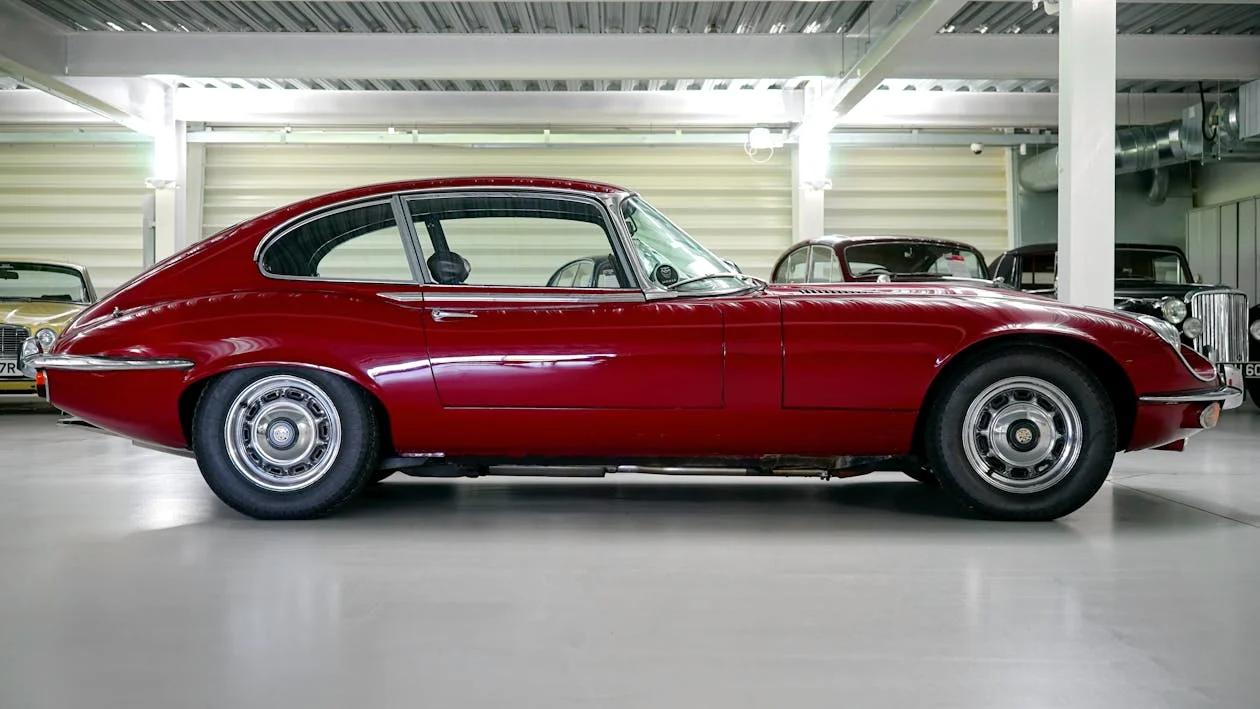
How to transport your vintage beauty cross country without adding a single mile?
Moving your classic car by shipping it is the best way to go. It keeps your investment free of mileage, weather damage and the risks of the open road.
The problem is:
Most classic car owners have no idea how much this will cost. Or even which transport method is right for their vehicle.
The good news? Once you know your options…
You can make an informed decision that’s right for you and keeps your classic safe.
What you’re about to discover:
- Why Classic Cars Need Specialized Shipping
- The Real Costs of Classic Car Transport
- Open vs Enclosed: Which Is Right For You?
- How To Prepare Your Classic For Shipping
Why Classic Cars Need Specialized Shipping
Classic cars are not “normal” vehicles. These vintage beauties are history on wheels and they require special care.
The worldwide market for classic cars was estimated at $39.7 billion in 2024. That gives you an idea of just how much they’re worth to collectors and enthusiasts around the world.
Here’s why regular transport just won’t do:
Driving a classic car any distance drives down the value. On average, every mile you drive takes $0.10 off your car’s value. A 1,500-mile road trip could cost you $150 in value.
But it’s not just mileage. Flying rocks, potholes, bad weather, and fender benders can all result in damage that costs thousands to repair. Even a minor scratch on a classic car can run you $200 to $2,000 to fix depending on severity.
This is exactly why shipping a classic car professionally has become such a necessity. You get your vintage vehicle from Point A to Point B without it suffering from any of that wear and tear.
The Real Costs of Classic Car Transport
Let’s talk money.
The price you pay to ship a classic car will vary depending on a few factors. Distance is the biggest one of course. But the type of transport you choose makes a huge difference as well.
Here’s what to expect:
Open transport runs from $0.80 to $1.00 per mile. Enclosed transport is higher at $1.00 to $1.50 per mile depending on distance.
Per Kelley Blue Book, choosing enclosed transport will add 50% or more to your shipping costs. That’s a big increase. But for expensive classics, it’s often money well spent.
The main factors that determine your quote are:
- Distance– The farther you need to ship your classic, the more it will cost but the per-mile rate is lower for long distances
- Vehicle size and weight– Larger, heavier cars are more expensive to transport
- Pickup and delivery locations– Rural locations increase the price
- Time of year– Summer and holidays are peak seasons
- Transport type– Open vs enclosed carriers
For an approximate cross-country shipment of 2,000 miles…
You may pay anywhere from $1,300 to $2,500 for enclosed transport. Open carriers will be less but offer less protection as well.
Open vs Enclosed: Which Is Right For You?
Now we get to the point where most classic car owners get hung up.
Open transport is the most common way to go. Your car is loaded onto an open trailer with other vehicles and driven to the destination.
It’s out in the elements but generally works fine for non-vintage vehicles.
The problem with open carriers is:
Your classic is exposed to flying road debris, rocks, hail, and weather. Rain, snow, and flying rocks directly on your classic car is no problem if you’re driving a daily driver.
If it’s a 1967 Mustang you’ve spent years restoring? Not so much.
Enclosed transport is a different story.
Your classic is completely inside a covered trailer with walls and a roof. This protects your vintage car from:
- Weather (rain, snow, hail)
- Road debris and flying rocks
- Theft and nosy eyes
- UV damage from the sun
Price difference is usually 30% to 50% more than open transport. But you’re paying for peace of mind. Your classic car arrives in exactly the same condition it left.
My recommendation?
If your classic is worth more than $50,000… Or has high sentimental value… Enclosed transport is the only way to go. Price is well worth it in comparison to possible repair bills.
How To Prepare Your Classic For Shipping
Before you hand over the keys and bill of sale to the transport company.
There’s some preparation work that needs to happen on your end. Proper prep will make the shipping process smoother. It also helps to protect you if a damage claim needs to be filed during transport.
Start with documentation:
Take detailed pictures of the entire vehicle. Capture every angle. Get close-ups of existing scratches or dings. You are creating a record of your car’s condition before it ships.
Next, take care of the basics:
- Check tire pressure and battery charge
- Note fuel level (keep it at under a quarter tank)
- Remove personal items and any loose accessories
- Disable the alarm system if possible
- Make sure the car starts and drives normally
Don’t forget the paperwork:
You’ll need to have registration and proof of insurance ready. The shipping company will issue a bill of lading that documents the vehicle’s condition at the time of pickup. Read this carefully. Point out any discrepancies before they leave.
Choosing The Right Shipping Company
No two auto transport companies are the same.
You want to find a company with experience in moving high-value classic vehicles. Someone who knows what vintage cars are special.
Ask these questions before you book:
- Do they offer enclosed transport options?
- What insurance coverage do they provide?
- Can they transport non-running vehicles?
- What’s the process for filing a damage claim?
- Do they have reviews or testimonials from classic car owners?
Red flags to watch out for:
If a quote is suspiciously low, that’s a red flag. A company may just be marking up the quote and having trouble getting a carrier at that price. This causes all kinds of delays and frustrations later on.
Same with companies that can’t answer basic questions about their process. Or those who can’t show proper licensing and insurance documentation.
The Bottom Line
Shipping a classic car doesn’t have to be a headache.
Know your costs up front. Get enclosed transport for high-value vehicles. Prep your classic car properly before pickup. And hire a reputable company with classic car experience.
The investment is well worth it.
Your classic represents years of passion and likely a significant investment of money. Protecting it from road damage during transport is just smart car ownership.
Whether it’s a car show you’re going to in another state. Or you’re moving to a new state and need your classic along. Professional car shipping keeps your vintage ride safe. No more miles. No road wear. No stress.
That’s the smart way to move a classic.
