
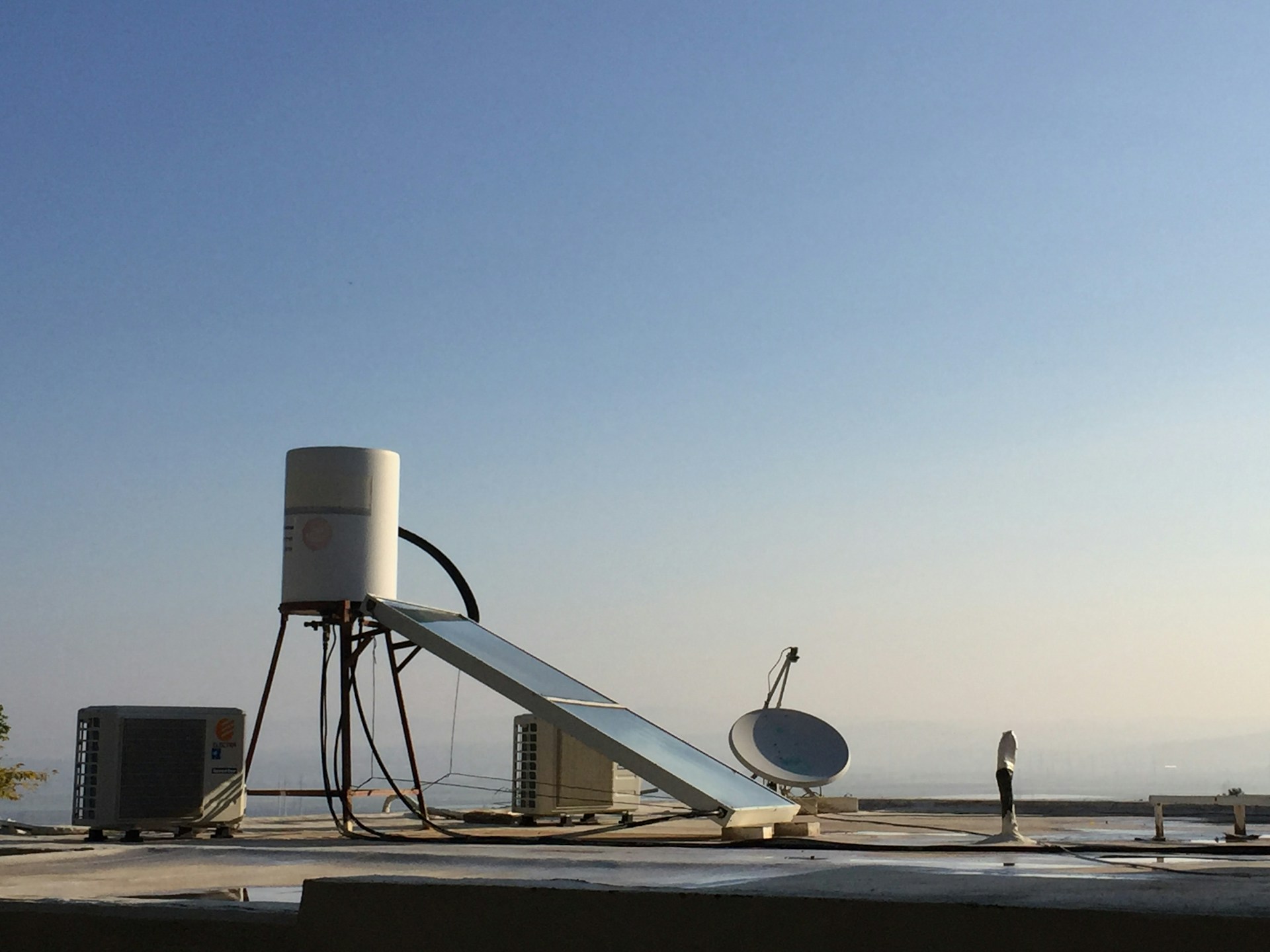
Hot water is one of those everyday comforts most homeowners do not think about until something goes wrong. Whether it is a cold shower, a leaking tank, rising energy bills, or a water heater that simply cannot keep up with household demand, the system you choose can make a big difference in comfort, efficiency, and long-term cost.
For many homeowners, the biggest question is whether to choose a traditional tank water heater or upgrade to a tankless system. Both options can work well, but they are designed differently and offer different advantages depending on your home, budget, and hot water needs.
Understanding how each system works can help you make a smarter decision before it is time for replacement.
What Is a Traditional Water Heater?
A traditional water heater stores hot water in a tank. Most residential units hold between 40 and 80 gallons, depending on the size of the home and the number of people using hot water.
The system heats the water inside the tank and keeps it ready until you need it. When someone takes a shower, runs the dishwasher, or uses hot water at a sink, the heated water leaves the tank and is replaced by cold water, which then needs to be heated again.
Traditional water heaters are common because they are familiar, widely available, and usually less expensive to install upfront. Many homes already have the setup needed for this type of system, which can make replacement more straightforward.
What Is a Tankless Water Heater?
A tankless water heater does not store hot water in a large tank. Instead, it heats water on demand as it flows through the unit. When you turn on a hot water tap, cold water moves through the system and is heated by gas or electric elements before reaching the fixture.
Because tankless systems heat water only when needed, they are often more energy-efficient than traditional tanks. They also take up less space and can provide a continuous supply of hot water when properly sized for the home.
For homeowners considering an upgrade, professional tankless water heater services can help determine whether a tankless system is a good fit based on household size, plumbing setup, fuel type, and hot water usage.
Upfront Cost: Traditional Water Heaters Usually Cost Less
One of the biggest differences between tankless and traditional water heaters is the upfront cost.
Traditional water heaters are usually more affordable to purchase and install. If your home already has a tank system in place, replacing it with a similar model can often be simpler and less expensive.
Tankless water heaters usually cost more upfront. The unit itself can be more expensive, and installation may require plumbing, gas line, electrical, or venting updates. This is especially true if your home was not originally set up for a tankless system.
For homeowners working with a tighter budget, a traditional water heater may feel like the easier choice. However, upfront cost is only one part of the decision. Long-term energy savings, lifespan, space, and performance should also be considered.
Energy Efficiency: Tankless Systems Often Have the Advantage
Traditional water heaters keep a full tank of water hot throughout the day, even when no one is using it. This can lead to standby energy loss, where the system uses energy just to maintain the water temperature.
Tankless systems avoid much of this issue because they heat water only when it is needed. This can make them more efficient, especially in homes that use hot water throughout the day but do not need a large stored supply at all times.
That said, efficiency depends on the home and the system. A properly installed modern tank water heater can still perform well, especially if it is the right size and maintained properly. On the other hand, an undersized tankless system may struggle if multiple showers, appliances, and fixtures are running at the same time.
The key is choosing the right system for how your household actually uses hot water.
Space: Tankless Water Heaters Save Room
A traditional water heater requires space for a large storage tank. This may not be a problem in homes with basements, utility rooms, or garages, but it can be an issue in smaller homes, condos, or properties where every square foot matters.
Tankless water heaters are compact and usually mounted on a wall. This can free up valuable space and make the utility area feel less crowded.
For homeowners planning a renovation, finishing a basement, or trying to maximize storage space, the smaller size of a tankless system can be a major advantage.
Hot Water Supply: It Depends on Household Demand
Many people assume tankless water heaters provide unlimited hot water. In a way, they can provide continuous hot water because they are not limited by the size of a storage tank. However, they still have capacity limits.
A tankless system can only heat a certain amount of water at one time. If too many people are using hot water at once, the system may struggle to keep up unless it is correctly sized.
Traditional water heaters provide hot water from the storage tank until the supply runs out. Once the tank is empty, the household has to wait for more water to heat. This is why a home with several back-to-back showers may run out of hot water with a tank system that is too small.
For smaller households, either system may work well. For larger families, the right choice depends on usage patterns. A tankless system may be ideal if properly sized, while a larger traditional tank may still make sense for some homes.
Lifespan: Tankless Systems Often Last Longer
Another important factor is lifespan.
Traditional water heaters generally last around 8 to 12 years, depending on water quality, usage, maintenance, and installation quality. Over time, sediment can build up in the tank, internal parts can wear down, and leaks can develop.
Tankless water heaters often last longer, sometimes around 15 to 20 years with proper maintenance. Because they do not store a large volume of water, they avoid some of the issues that affect tank systems. However, tankless units still need regular maintenance, especially in areas with hard water.
While tankless systems may cost more upfront, the longer lifespan can make them a better long-term investment for some homeowners.
Maintenance: Both Systems Need Care
No water heater should be ignored after installation. Regular maintenance helps protect efficiency, performance, and lifespan.
Traditional water heaters may need periodic flushing to remove sediment from the tank. The anode rod may also need inspection or replacement over time to help prevent corrosion. Ignoring maintenance can lead to reduced efficiency, strange noises, leaks, and early failure.
Tankless water heaters also need maintenance. Mineral buildup can affect performance, especially in homes with hard water. Many tankless systems benefit from regular flushing or descaling to keep water flowing properly through the heat exchanger.
The maintenance needs are different, but both systems require attention. Choosing a water heater is not just about installation. It is also about keeping the system working properly year after year.
Installation: Your Home’s Setup Matters
Not every home is equally ready for a tankless water heater. Some properties may need upgrades before installation, especially if switching from a traditional tank.
Gas tankless systems may require proper venting and enough gas supply to meet demand. Electric tankless systems may need sufficient electrical capacity. Plumbing changes may also be needed depending on the location of the existing water heater.
A traditional water heater replacement is often more straightforward if the home already has a tank system. This can make it a practical choice when the current unit fails unexpectedly and the homeowner needs a fast replacement.
Before choosing, it is important to have a professional evaluate your home’s layout, utility connections, water usage, and installation requirements.
Which Option Is Better for Your Home?
There is no single answer that works for every homeowner. The better choice depends on your priorities.
A traditional water heater may be better if you want a lower upfront cost, a simpler replacement, and a familiar system that fits your current setup. It can be a practical option for many households, especially when properly sized and maintained.
A tankless water heater may be better if you want improved energy efficiency, a longer potential lifespan, more space, and continuous hot water from a compact system. It can be especially appealing for homeowners planning to stay in their homes long enough to benefit from the long-term value.
The most important thing is not choosing the trendiest option. It is choosing the system that matches your home, your budget, and your daily hot water needs.
Signs It May Be Time to Replace Your Water Heater
Whether you currently have a tank or tankless system, there are several signs that replacement may be worth considering.
If your water heater is old, leaking, making unusual noises, producing rusty water, or struggling to deliver enough hot water, it may be near the end of its life. Rising utility bills can also be a sign that the system is losing efficiency.
Frequent repairs are another warning sign. If you are repeatedly spending money to fix an older unit, replacement may be the more practical long-term decision.
It is better to plan replacement before a complete failure. A leaking tank or sudden loss of hot water can create stress, water damage, and emergency repair costs.
Final Thoughts
Tankless and traditional water heaters both have advantages. Traditional systems are usually more affordable upfront and easier to replace, while tankless systems offer better space savings, strong efficiency potential, and a longer expected lifespan.
For homeowners, the right decision comes down to how much hot water the household uses, how much space is available, what the budget allows, and whether the home is ready for a tankless installation.
A water heater is not something you replace often, so it is worth taking the time to compare your options carefully. With the right system and proper installation, your home can enjoy reliable hot water, better efficiency, and fewer surprises in the years ahead.
