
When planning a house, every small detail matters, and every room requires meticulous attention. Especially your bathroom and showers. Showers are the place for unwinding and getting some relaxation time. Small details in these aspects make up a huge difference in daily comfort. In this regard, one of the most overlooked aspects of shower design is the shower height. The standard shower head height is essential to make your shower space look put together and provide comfort for anyone using it.
It should not be set so low that tall people feel cramped, and installing it too high may affect the shower power for someone much shorter. This is why builders are provided with a specific guideline to strike a balance between convenience, accessibility, and practicality.
This guide explores the standard shower height, adjustments available in different shower types, and the recommended measurements for controls and grab bars. You can also move over to the FAQ section if you are looking for a specific answer we have covered in the article in far more detail.
What Is the Standard Shower Head Height?
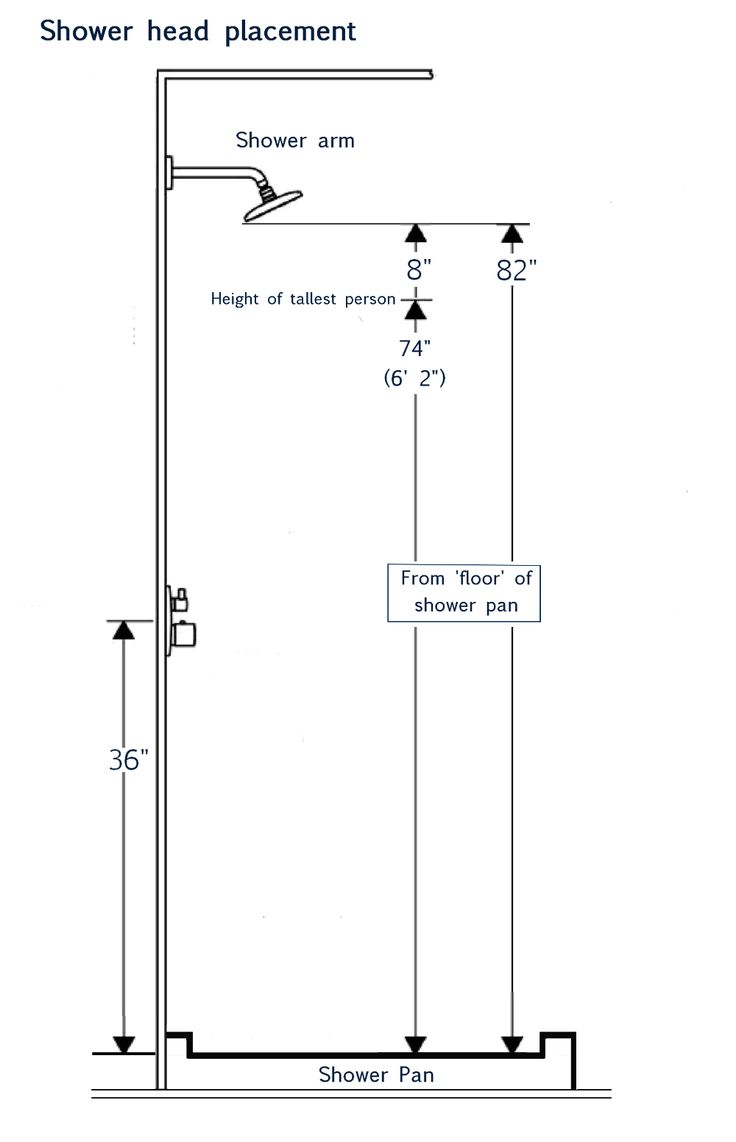
Well, let’s get into the main bit first. The industry standard shower head height is 80 inches or 2003 cm tall from the floor of the shower to the set height. Now, why is this placement ideal for the average adult height? Well, it ensures that the water sprays equally and comfortably at the chest and head level.
However, flexibility exists:
- Minimum Height: The ideal height for shower heads in smaller spaces nd if you’re a short user is 72 inches or 1883 cm.
- Taller Households: Now in a house with majorly tall members, you can install the shower head at 82 to 86 inches, which is ideally 208 or 218 cm.
Plus, modern bathrooms often feature adjustable or sliding shower heads, which makes it easier to accommodate different heights within one household.
Quick Reference Table: Standard Shower Dimensions
| Fixture/Measurement | Standard Height/Size | Notes |
| Shower Head Height | 80” (203 cm) | Comfortable for most users |
| Minimum Shower Head Height | 72” (183 cm) | Works for shorter individuals or compact bathrooms |
| Shower Controls Height | 40”-50” (102-127 cm) | Keeps controls easy to reach without direct water spray |
| Grab Bar Height | 33”-36” (84-91 cm) | Improves shower safety |
| Shower Width (Minimum) | 36” (91 cm) | Standard width for compact showers |
| Shower Depth (Minimum) | 42” (107 cm) | Comfortable depth |
| Ceiling Height | 84”-120” (213-305 cm) | Varies by bathroom design |
| Seat Depth | 12” (31 cm) | For optional shower benches |
| Seat Height | 15” (38 cm) | Comfortable seating level |
Why Standard Shower Head Height Matters
At first glance, shower head placement might feel like a minor decision. But in reality, it can dramatically affect your comfort, safety, and even the longevity of your bathroom. Here’s why following the standard shower head height matters:
User Comfort
Firstly, the right height ensures that water streams naturally and reaches all your areas, including the head, neck, and shoulders, without forcing you to be in or get into awkward positions to get sprayed. Like, imagine being a 6”2 person having to crouch low to get under the shower head every morning, or being a short person who always has spots on their body missed by the shower after applying shampoo or soap.
Accessibility
Households have people of different ages and abilities. For example, a young kid may need detachable handheld showers to control the flow of water, and if you’re a parent helping them shower, you can guide the water where you need it on a fussy child. On the other hand, now imagine older people who may have mobility issues and may prefer showers that can be adjusted with sliding bars so that they can adjust the flow to their comfort level. Accessibility shows thoughtful thinking in making a house.
Safety
Shower Safety is not just about the floor being slip-resistant, but it is also important when it comes to the standard shower height. If the controls are set too high or awkwardly close to each other, then the user is at risk of reaching towards scalding hot water. On the other hand, if the spray pattern is not aligned properly in the shower space, water can pool on the bathroom floor, and this will increase slip hazards in the end.
Functionality
Finally, coming to the most important part, the height of your shower head. A poorly placed shower head can create splash zones, which cause more problems. It may leave puddles outside the shower space or leak through curtains or glass doors. Now this may over time cause your floor warp, grout go weak or even cause mold in bathroom corners that you absolutely don’t want.
Different Types of Shower Heads and Their Ideal Heights
On to the next bit! Now, not all showers will be designed the same way in every house. The type of shower head you have may change the installation height that is ideal for it. Take a look at this table to understand it:
| Shower Head Type | Recommended Height | Notes |
| Fixed Shower Head | 80” (203 cm) | Standard for most bathrooms |
| Rain Shower Head | 84”-90” (213-229 cm) | Installed overhead for the rainfall effect |
| Handheld Shower Head | 72”-78” (183-198 cm) | Mounted lower on an adjustable sliding bar |
| Combination System | 80” (203 cm) main, adjustable bar | Combines fixed and handheld flexibility |
For example, a rain shower head needs extra ceiling clearance since it’s designed to sit directly overhead, while a handheld head should be positioned lower for easy reach.
Shower Controls and Safety Standards
Shower height isn’t the only measurement that matters—controls and safety fixtures also follow specific standards:
- Shower controls: It is best if you place your shower controls at a position near 40 inches or 50 inches (102-127 cm ideally). This is a position where they are away from direct water spray, and you can also avoid being immediately blasted by cold or hot water during adjustment.
- Grab bars: These should be installed at 33 inches or 36 inches, whichever is suitable, to provide stability to older people in the shower and reduce the risk of slipping.
- Shower seat (optional): The seat should be at 15 inches if you want it high, or at 12 inches if you want it deep for comfortable sitting.
Shower Size and Space Considerations
While shower head height is crucial, the overall shower dimensions also impact comfort:
- Minimum shower size: 36” x 42” (91 x 107 cm) for a comfortable experience.
- Ceiling height: Between 84”-120” (213-305 cm) depending on home design. Taller ceilings are ideal for rain shower setups.
- Luxury showers: Walk-in or spa-style showers often exceed standard dimensions, offering more flexibility with head placement.
Common Questions About Shower Head Height
- What is the ideal shower head height?
Ans: The ideal shower head height is about 80” or 203 cm; however, custom adjustments can be made based on user height.
- How can you clean a shower head?
Ans: Mineral buildup in the shower head often reduces the water flow. To avoid this, you can attach a plastic bag that is filled with vinegar to the head of the shower. Let this soak for some hours, and then you can scrub off the residue with an old toothbrush.
- How Do You Change Shower heads?
Ans: You can just unscrew the old head, wrap some pipe threads with Teflon tape, and then attach the new head. Make sure that you check for leaks.
- How Do You Unclog A Shower Drain?
Ans: A shower drain might get clogged for various reasons, typically dirt and hair. Try boiling water, a baking soda-vinegar solution, or using a plumber’s snake to remove the buildup and hair.
Final Thoughts
So, now you know that the industry loved standard shower head height is 80 inches (or 203 cm) and is designed to maximize comfort, function, and safety. This works for most households, and some problems one may encounter are fixed with adjustable bars and rain shower heads, allowing flexibility.
So when paired with the right shower controls, and adequate space in the shower it gives you a shower space that is not just practical, but also enjoyable. Your ultimate relaxing and rewinding spot.
