
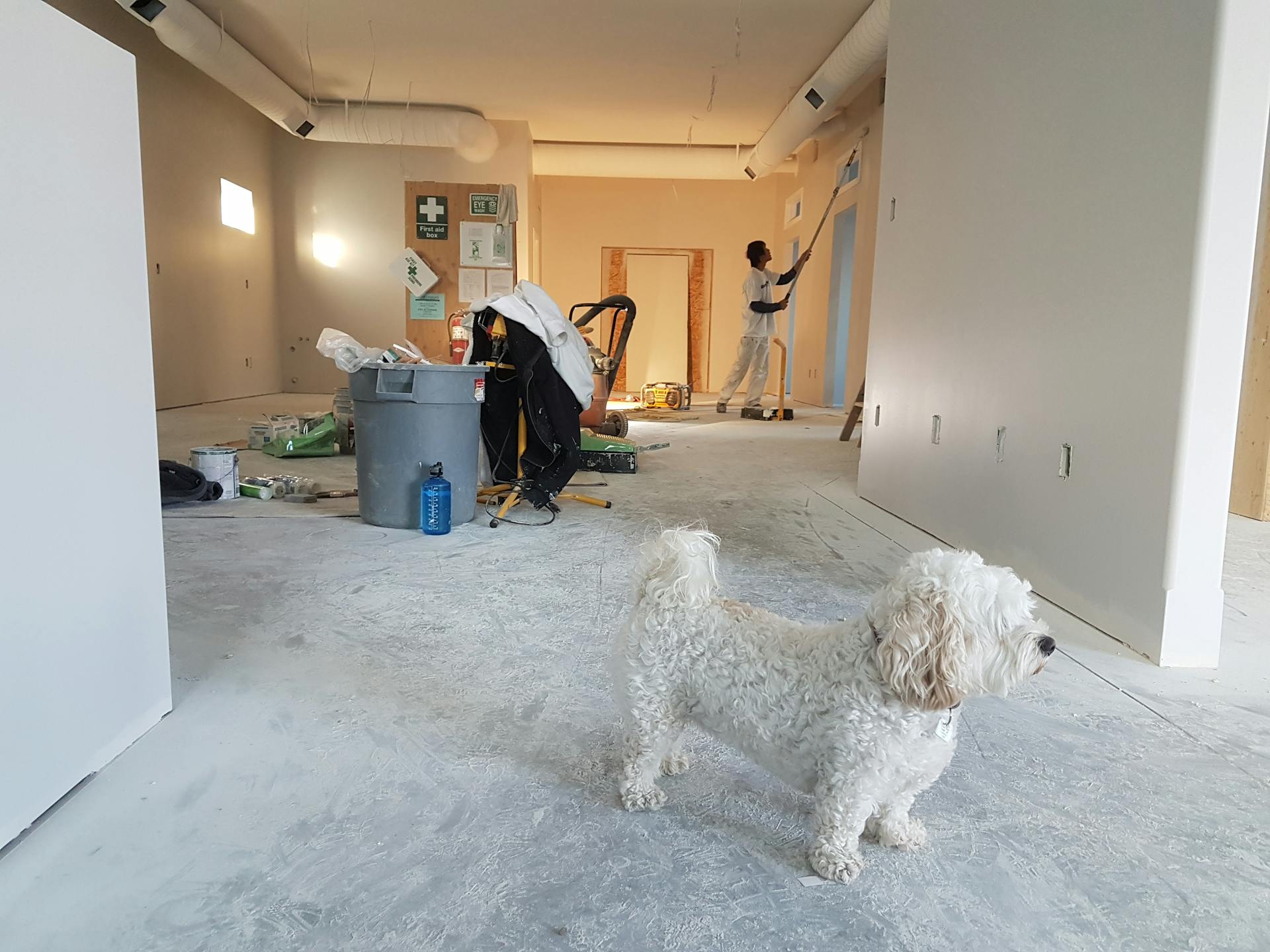
Mississauga homeowners are stuck between a rock and a hard place. Detached homes cost over $1.4 million now. Moving costs hit $75,000 before you even get a new mortgage.
Then there’s everything else. Packing up 15 years of stuff. Changing schools. Saying goodbye to neighbors who actually wave back.
So families are making a different choice. They’re staying put and making their current homes work harder.The Financial Reality Check
Here’s what most people don’t realize until they run the numbers. A complete basement renovation in Mississauga costs between $50,000 and $80,000. Gut a kitchen and rebuild it properly and you’re looking at $35,000 to $55,000. Even a full main floor reconfiguration sits around $100,000 to $150,000.
Now compare that to buying a house with one extra bedroom in the same neighborhood. You’re paying at least $200,000 more, plus land transfer taxes (which in Mississauga can hit $30,000), plus realtor fees, plus the nightmare of moving during a Toronto winter.
And if you locked in a 2.5% mortgage rate back in 2021? Good luck finding anything close to that today. Your monthly payment on a new place could jump $1,500 to $2,000 even if you’re buying a similar-sized home.
The math isn’t even close.
What’s Actually Getting Built
Walk through Mississauga neighborhoods today and you’ll spot three renovation patterns happening on every street.
Basements That Actually Get Used
Most homes built in the 70s, 80s, and 90s have 900 to 1,200 square feet of basement that’s basically a concrete box with some storage bins and a furnace. That’s wasted space in a city where every square foot matters.
Finishing that basement means adding a second living room, a home office (because working from the kitchen table gets old fast), or a guest suite for visiting family. Some families are even adding full rental units to help with mortgage payments.
But here’s the catch. Mississauga building codes are strict about basement bedrooms. You need egress windows large enough to climb out of in an emergency, proper insulation, and moisture barriers that actually work. Cutting corners here means failed inspections and money wasted.
Budget $8,000 to $15,000 per egress window installation. Yes, that’s expensive. Yes, it’s mandatory.
Making Room for Multiple Generations
Something’s shifted in Mississauga over the past five years. More families have grandparents, parents, and kids all living together. Sometimes it’s cultural preference. Often it’s economic necessity. Either way, cramming three generations into a house designed for one family doesn’t work without changes.
The families getting this right are creating separate living zones. A basement suite with its own entrance gives grandparents independence without isolating them. A main floor bedroom with an accessible bathroom means aging parents don’t need to climb stairs.
Multi-generational renovations requires thinking beyond adding square footage. It’s about creating shared gathering spaces while preserving privacy. Sunday dinner together, but separate Netflix accounts.
Squeezing More From Condos and Townhouses
Mississauga’s condo and townhouse owners face a different challenge. When you’re working with 700 square feet total, there’s no basement to finish and no backyard to build into. You’re stuck with what you’ve got.
Smart renovations here focus on eliminating wasted space. Knock down the wall between the kitchen and living room and suddenly the place feels twice as big. Replace your bulky IKEA entertainment unit with floor-to-ceiling built-ins and you’ve gained back 30 square feet of floor space.
Custom storage makes the biggest difference. A closet organizer system costs $2,500 but doubles your usable storage. Built-in window seats add seating without eating floor space. Murphy beds turn home offices into guest rooms when needed.
Timeline Reality vs. Contractor Promises
Every homeowner makes the same mistake. They believe the contractor’s initial timeline.
A bathroom renovation takes 3 to 4 weeks in Mississauga, not the 10 days some companies advertise. Kitchens need 6 to 8 weeks when you’re ordering custom cabinets. Full basement finishes run 8 to 12 weeks depending on what you’re building.
Why the difference? Because homes hide secrets. That wall you’re removing might have knob-and-tube wiring from 1965 that needs replacing. The bathroom subfloor might be rotted from a slow toilet leak nobody noticed. The basement might have minor foundation cracks that need addressing before you frame walls.
These aren’t scams or excuses. They’re reality when you’re working with homes that are 30, 40, or 50 years old.
Set aside 15% to 20% of your budget for surprises. Not because contractors are dishonest, but because buildings don’t come with X-ray vision.
Choosing Someone You Won’t Fire Halfway Through
Here’s something nobody talks about. The contractor who does great work for property managers often sucks at residential renovations. Different skill sets entirely.
Property managers want speed and standardization. Get the unit turned over fast so it can be rented again. Use builder-grade materials. Keep costs predictable.
You’re not renting out your kitchen when the project’s done. You’re cooking in it for the next 15 years. You need someone who understands that difference.
Good Mississauga home remodelling contractors communicate constantly. You should know exactly where your project stands every single week. Problems get flagged immediately, not buried until they become emergencies.
Before signing anything, verify WSIB coverage and liability insurance. Then call their references from the past year and ask specific questions. How did they handle unexpected problems? Did they show up on time? When something went wrong, did they own it or make excuses?
The answers tell you everything.
Permit Requirements Nobody Wants to Deal With
Permits are boring and annoying and absolutely necessary in Mississauga.
Finishing a basement? Permit required. Adding a bathroom? Permit required. Removing a wall? Better check if it’s load-bearing, and yes, permit required.
The city reviews your plans and inspects at key stages. Simple basement finishes get approved in 2 to 3 weeks. Complex renovations involving structural changes can take 6 to 8 weeks for approval.
Skipping permits feels tempting when you’re eager to start. Don’t. Unpermitted work creates problems that haunt you for years. Your home insurance might deny claims related to that space. Future buyers will discover it during inspections. You might have to rip everything out and rebuild it properly just to sell your house.
The permit fee stings today. The lawsuit from unpermitted work stings worse tomorrow.
Three Design Decisions That Matter Long-Term
Some choices affect your daily life for the next decade. Pay attention to these.
Basement Lighting Strategy
Basements are dark. That’s just physics. You need layered lighting to make them livable. Recessed pot lights provide overall brightness. Task lighting over work areas prevents eyestrain. Accent lighting adds warmth and depth.
Plan for one light fixture per 50 square feet minimum. Going cheap on lighting makes your beautiful new basement feel like a dungeon.
Storage Built Into Walls
Freestanding furniture eats floor space. Built-in storage uses walls you’re ignoring right now.
Custom closet systems cost more than wire shelving from Home Depot. They also last 20 years, maximize every inch, and look intentional instead of cluttered. Under-stair storage, floor-to-ceiling cabinetry, and window seat storage all recover space you’re currently wasting.
Materials That Survive Real Life
Luxury vinyl plank flooring handles basement moisture better than hardwood and costs half as much. Quartz countertops resist staining and never need sealing like granite. Porcelain tile withstands impact better than ceramic.
Pick materials based on how you actually live, not what looks good in magazine photos. If you have kids, dogs, or a habit of spilling coffee, choose accordingly.
When Moving Makes More Sense
Sometimes renovation doesn’t work.
If your project costs exceed 30% of your home’s current value, the math stops working. You’re better off selling and buying something that already fits your needs.
Major structural problems are another red flag. Foundation issues, extensive water damage, or electrical systems that need complete replacement can push costs past the point of reasonable return.
And if your family truly needs 1,500 more square feet but you can only add 400, you’re solving the wrong problem. Renovation works when it addresses your actual needs, not when you’re forcing a solution.
What Comes Next for Mississauga
If you’re already in a good neighborhood, staying and renovating makes sense. You skip the cost and stress of moving. You build space that grows with your family.
Three things separate good renovations from money pits. First, realistic budgets. Second, contractors who actually communicate. Third, knowing what changes actually improve your life.
Done right, a good renovation doesn’t just add square footage. It transforms how your family uses home for the next 10 to 20 years.
