
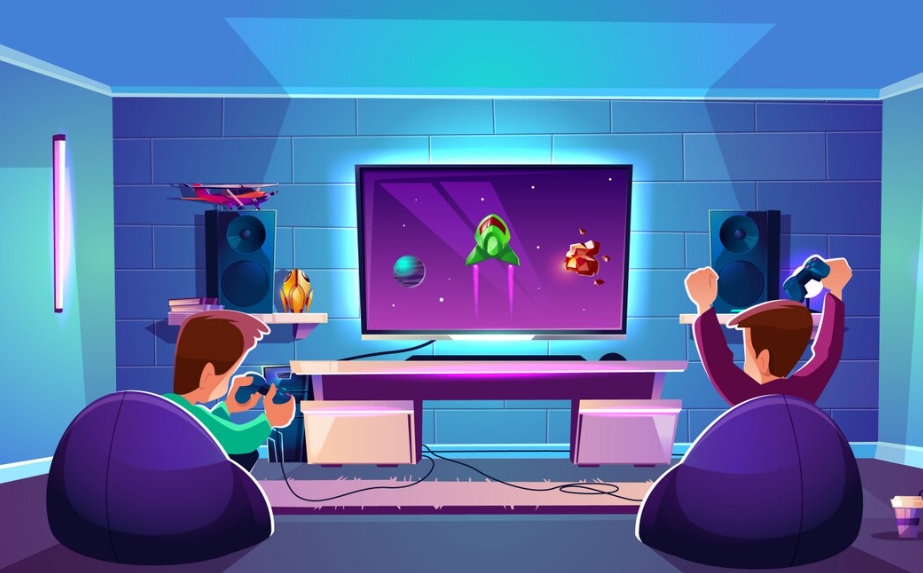
Over the past decade, games rooms have transformed from a luxury addition to a sought after feature in many homes. Once considered a niche luxury, they are now a staple for families, gaming enthusiasts, and social hosts alike. The rise in popularity can be attributed to a combination of lifestyle changes, technological advancements, and the growing appeal of interactive entertainment.
A Space for Fun and Relaxation
Games rooms provide a dedicated space for relaxation and enjoyment, away from the distractions of everyday life. They create an environment where people can unwind, whether playing video games, board games, or traditional table games. For many homeowners, having a separate space dedicated to fun helps balance work, family responsibilities, and leisure time. The appeal of games rooms is not limited to children or teens. Adults increasingly enjoy interactive gaming experiences, including consoles, VR setups, and casual platforms. The versatility of these spaces means everyone in the household can find a way to enjoy them, making games rooms a hub for family bonding and entertainment.
Technological Advancements
One key factor driving the growth of games rooms is the advancement of technology. Modern consoles, VR systems, and high-performance PCs allow for immersive gaming experiences at home. Players can enjoy complex and visually stunning games that were once only possible in commercial arcades or gaming lounges.
Platforms like virgin games have also contributed to this trend by making interactive and online gaming more accessible. Online platforms enable multiplayer experiences, tournaments, and casual play, meaning a games room can now offer the excitement of an arcade or casino without leaving the house.
Social and Family Engagement
Games rooms are more than just spaces for individual play, they encourage social interaction. Families and friends can gather for board games, competitive console matches, or multiplayer online sessions. These shared experiences foster connection, teamwork, and friendly competition. Having a dedicated room also makes hosting game nights or casual gatherings easier. A games room equipped with seating, gaming consoles, and entertainment systems becomes a natural hub for social engagement, enhancing the home’s overall appeal.
Customisation and Personalisation
Another reason games rooms have surged in popularity is the ability to customize them to personal tastes. Homeowners can design their space based on preferred games, themes, and aesthetics. From classic arcade setups to sleek, modern consoles, lighting, furniture, and décor can all be tailored to create an environment that feels uniquely yours. Themed spaces, such as sports lounges, movie and gaming hybrids, or retro arcade rooms, add a sense of personality and fun. With the wide variety of games now available, from casual mobile apps to more immersive VR experiences, games rooms can be as simple or complex as desired.
Entertainment Beyond Gaming
Games rooms aren’t solely about gaming. They often double as entertainment spaces, combining streaming, movies, music, and interactive platforms. With high quality speakers, large screens, and comfortable seating, these rooms become multi-functional hubs for both solo relaxation and social activities. Digital platforms, including online casino games or interactive online play, allow adults to explore different types of entertainment safely and conveniently. By integrating a variety of activities, games rooms cater to diverse interests and provide continuous engagement for all members of the household.
Encouraging Skill Development
Games rooms also offer educational and skill building opportunities. Strategy based board games, puzzle games, and even some digital platforms encourage critical thinking, problem solving, and decision making. For younger players, this combination of entertainment and learning makes the games room a valuable part of their development. Even casual gaming can develop coordination, strategic thinking, and adaptability. Having a dedicated space encourages regular play, which can support both cognitive and social skills over time.
The Comfort of Home
Ultimately, the growth of games rooms is tied to the desire for convenience and comfort. Instead of traveling to arcades, clubs, or entertainment centres, homeowners can enjoy top tier gaming experiences at home. This makes it easier to fit gaming into busy schedules, accommodate different age groups, and enjoy immersive entertainment without logistical challenges. The convenience factor is especially relevant in modern lifestyles, where flexible entertainment options are highly valued. The ability to relax, connect, and play in a familiar, private space is a strong driver of this trend.
The popularity of games rooms in homes reflects broader shifts in how people value entertainment, social connection, and convenience. With technological advancements, customizable setups, and diverse gaming options, these spaces have become a central part of modern living. Platforms like virgin games exemplify the new era of interactive gaming, providing access to engaging digital experiences that complement traditional setups. Whether for social gatherings, family fun, or solo relaxation, games rooms offer a versatile, immersive, and enjoyable space that enhances everyday life. As gaming continues to evolve and technology advances, the trend of games rooms in homes is likely to grow even further, cementing their place as a must-have feature for modern households seeking fun, connection, and interactive entertainment.
