
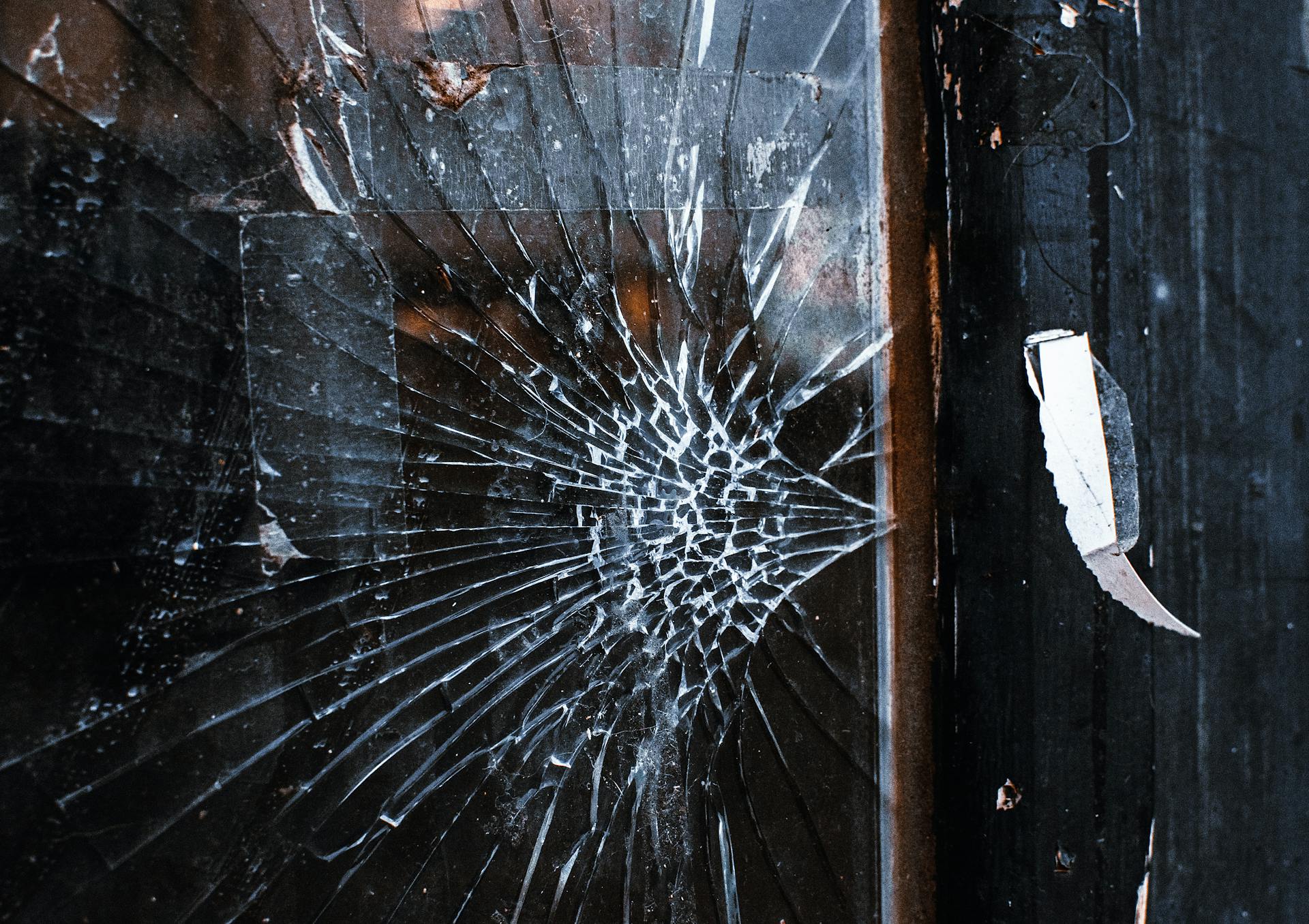
Picture this: you come home after a long day and find a jagged crack running across your lounge window, or you step into the office on a Monday morning to discover that a glass door panel has shattered overnight. The immediate reaction for most people is to deal with it quickly and move on. But how you respond in those first moments makes a significant difference to both safety and cost.
Ignoring broken glass, even temporarily, carries real consequences. Exposed fractures can spread rapidly under changes in temperature or pressure, turning a hairline crack into a full break. Shattered or cracked glazing also compromises building security, creates sharp injury hazards, and allows weather into spaces where it can cause further damage to walls, floors, and fittings.
This article provides practical, step-by-step guidance for responding to glass damage in windows and doors, covering assessment, repair methods, and prevention. Homeowners in New South Wales who want a professional evaluation alongside their own efforts often turn to https://majesticglass.com.au/to ensure the damage is handled safely and to the correct standard.
Assess the Damage to Your Windows or Doors First
The single most important step before any repair attempt is a clear-eyed assessment of what you are dealing with. Acting without this understanding leads to mismatched repairs, wasted materials, and in some cases, additional damage or injury.
Work through these assessment points before deciding on a course of action:
- Identify the type of damage:Distinguish between a chip, a single crack, a spreading fracture network, or a fully shattered pane. Each requires a different approach and carries different urgency.
- Determine if the glass is tempered, laminated, or standard:Tempered glass shatters into small granular pieces and cannot be field-repaired. Laminated glass holds together due to its internal plastic interlayer. Standard annealed glass breaks into long, sharp shards. Knowing the glass type determines which repair methods are even viable.
- Check whether the window or door is structural or decorative:An external window in a load-bearing wall or a frameless glass balustrade carries different risk than an interior decorative panel. Structural glazing requires professional involvement regardless of damage size.
- Decide if the repair can be DIY or requires professional intervention:Minor chips and small cracks in non-tempered, non-structural glass can often be managed at home. Anything involving shattered panels, cracks that span more than a third of the pane, or safety glass calls for a licensed glazier.
To illustrate the range: a small chip in a kitchen window caused by a knocked pot can typically be repaired at home with a basic resin kit.
A shattered sliding glass door, however, needs to be secured and then replaced professionally. The risk of mishandling broken tempered or laminated glass is significant enough that attempting to patch it is never advisable.
Industry observations suggest that over 50% of residential glass damage in Sydney involves minor cracks or chips that are technically suitable for repair.
However, location and glass type still matter enormously. A small crack in a structurally important panel may still require professional attention.
Gather the Right Tools and Safety Gear for Repairs
Personal safety is not optional when working around broken glass. Even a pane that appears stable can shift or shed fragments without warning. Before starting any repair, assemble the correct protective equipment and materials.
For most basic glass repairs, you will need:
- Protective gloves and safety glasses:Use cut-resistant gloves rather than standard household rubber gloves, and choose safety glasses with side shields for full eye protection.
- Glass adhesive or resin repair kit:UV-curable resin kits available at hardware stores work well on small cracks and chips. Confirm the product is rated for your glass type before purchasing.
- Razor blade or scraper:For removing excess adhesive after curing without scratching the surrounding glass surface.
- Soft cloth and cleaning solution:The repair area must be completely clean and dry. Any contamination beneath the resin will prevent proper bonding and cause the repair to fail prematurely.
- Tape or clamps to stabilize the glass:Any pane that is loose or at risk of shifting should be stabilized before work begins. Movement during the repair process can widen the existing crack.
Tip: Lay down a protective sheet beneath the work area before you begin. This catches any fragments or drips of adhesive and makes cleanup significantly faster and safer.
For severe damage involving large cracks, multiple fractures, or fully broken panels, no level of home preparation substitutes for professional expertise.
Glass Replacement in Sydney services have the equipment and training to remove compromised panes safely, source correctly rated replacement glass, and install it to current Australian standards. Attempting this scale of work without proper experience carries a high risk of injury and further property damage.
Step-by-Step Methods to Fix Broken Windows Quickly
Once you have confirmed the damage is within DIY range and your safety equipment is in place, follow these steps in order. Skipping stages or rushing the process reduces the quality and durability of the repair.
- Clean the glass surface gently to remove dust, dirt, and loose debris. Use a soft cloth dampened with a mild cleaning solution. Allow the area to dry completely. Any residual moisture or contamination under the resin will cause it to fail.
- Apply adhesive or resin along the crack following the manufacturer’s instructions precisely. Most UV-curable kits use a small applicator to inject resin into the fracture, which is then spread evenly along the full length of the damage.
- Use tape or clamps to stabilize the glass while the repair sets. This prevents movement that could widen the crack before curing is complete. For larger panes, masking tape applied in a cross pattern across the crack provides basic stabilization.
- Remove excess adhesive with a razor blade held at a low angle to the glass surface. Work slowly and with light pressure. Do not attempt this step until the resin has fully cured according to the product instructions.
- Buff and polish the repaired area with a clean, lint-free cloth to restore surface clarity and blend the repair into the surrounding glass as naturally as possible.
Two important precautions for better results:
- Avoid strong solvents such as acetone near the crack at any stage. These can penetrate the fracture line and cause it to extend further before or during the repair.
- Work in a moderate temperature environment. Excessive heat causes resin to cure too quickly and unevenly. Cold conditions slow curing and reduce bonding strength. Aim for a stable indoor temperature where possible.
In practice, repairing a small crack with a UV-curable resin kit, when carried out correctly and promptly, can stop the crack from spreading and restore clarity to the point where the repair is barely visible. This is a realistic and cost-effective outcome for minor damage addressed early.
Repair Options for Damaged Doors Without Replacing Them
Glass doors present a different set of challenges to standard windows. They are opened and closed repeatedly throughout the day, which creates ongoing physical stress on both the frame and the glass panel. They are also more likely to incorporate safety glass, which limits the repair options available.
That said, not every damaged door requires immediate full replacement. Practical repair options include:
- Minor chip or crack repairs with resin kits:The same technique used for window glass applies to door panels, provided the glass is not tempered and the damage is small and away from the edge.
- Edge stabilization to prevent further spreading:Cracks originating at the edge of a pane are particularly prone to extension because the edge carries more stress. Applying a stabilizing film or resin along the edge can slow or arrest spreading in the short term.
- Adding protective films or reinforcements for safety:A safety film applied to the interior surface of a cracked panel holds fragments together if the glass eventually gives way. This is a responsible interim measure when waiting for professional replacement.
- Adjusting door alignment to reduce pressure on cracked glass:Misaligned doors put uneven mechanical stress on the glass panel with every opening and closing cycle. Correcting the alignment before or alongside a repair reduces the likelihood of the crack worsening through normal use.
To give a practical example: a crack along the edge of a patio door caused by frame flex can often be stabilized and reinforced at home well enough to extend safe usability while a replacement is sourced. This avoids leaving the opening exposed while the repair is planned properly.
Where home methods are not sufficient, professional options are the responsible choice. Both Glass Repair in Sydney and Glass Replacement in Sydney services are available through licensed glaziers who can determine whether a repair is genuinely viable or whether full replacement is the safer and more cost-effective outcome over time.
Tips to Prevent Future Breakages and Maintain Glass Integrity
Repairs are reactive. The more valuable investment is in habits and material upgrades that reduce the frequency and severity of breakage in the first place. Most residential glass damage is preventable.
- Avoid slamming doors or windows:Repeated hard closing creates micro-fractures at the edges of glass panels over time, which eventually develop into visible cracks. Soft-close mechanisms and door stops significantly reduce this cumulative stress.
- Install tempered or laminated glass in high-risk areas:Entry doors, low-level windows, glazing near children’s play areas, and any panel in a high-traffic corridor should use safety glass. Tempered glass is four to five times stronger than standard glass under impact.
- Apply protective films to sensitive surfaces:Security and safety films provide an additional layer of impact resistance and hold cracked glass in place if breakage occurs. UV-protective films also reduce heat-related stress.
- Inspect seals and edges regularly to catch small cracks early:A brief visual inspection every few months can reveal minor edge cracks before they spread. Early detection almost always translates to a simpler and cheaper repair.
- Ensure proper installation and support to reduce stress on glass:Poorly fitted glass, panels resting on uneven surfaces, or glazing installed without adequate expansion gaps is under constant stress. Professional installation removes this variable.
Unique insight: UV-protective coatings do more than reduce glare. By limiting the temperature differential across a glass surface, they reduce the thermal stress that leads to stress cracking, particularly in windows that receive direct sun for extended periods.
Frequently Asked Questions
Can all broken windows or doors be repaired at home?
No. Small chips and hairline cracks in standard or laminated glass can often be addressed with a resin kit if the damage is away from the edge and covers a small area. However, tempered glass cannot be repaired once fractured. Shattered panels require professional removal, and any damage to structural glazing should always involve a licensed glazier. The glass type, the location of the damage, and the size of the fracture all determine whether a home repair is an appropriate option.
How long does a DIY glass repair last?
The durability of a DIY repair depends on the size and location of the crack. A small central chip repaired promptly with a quality UV-curable resin can remain stable indefinitely in a low-stress location. Edge cracks and larger fractures are more vulnerable to re-opening under temperature changes or physical pressure. In these cases, a DIY repair should be treated as a temporary measure, with professional replacement planned within a reasonable timeframe rather than indefinitely deferred.
Is it safe to repair glass without protective gear?
No. Glass edges and fragments are unpredictably sharp even on a pane that appears intact. Broken glass can embed in skin quickly and cause deep lacerations. Working without cut-resistant gloves and safety glasses is a meaningful injury risk. For landlords or property managers conducting repairs, there is also a liability dimension. The cost of basic protective equipment is negligible compared to the consequences of avoiding it.
When should a glass window or door be fully replaced instead of repaired?
Replacement is the appropriate decision when the glass is fully shattered, when a crack spans more than half the pane, when the damage sits in a structurally significant location such as a load-bearing panel or a security-rated door, or when the glass type makes repair impossible as with tempered glass. Recurring cracks in the same area also indicate an underlying structural or installation problem that repair alone will not resolve. In these situations, a professional assessment will confirm the replacement specification required.
Why Fast Window and Door Repairs Always Pay Off
Broken windows and glass doors rarely stay manageable for long. Prompt assessment, the right tools, and matching the repair method to the glass type are what separate a quick fix from a costly mistake. When the damage goes beyond what DIY methods can safely handle, professional Glass Repair in Sydney ensures the work is done correctly, restoring the safety and integrity of your windows and doors for the long term.
No results found for the text you pasted (2,181 words, $0.23) on 30 Mar 2026 at 11:52 GMT.
