
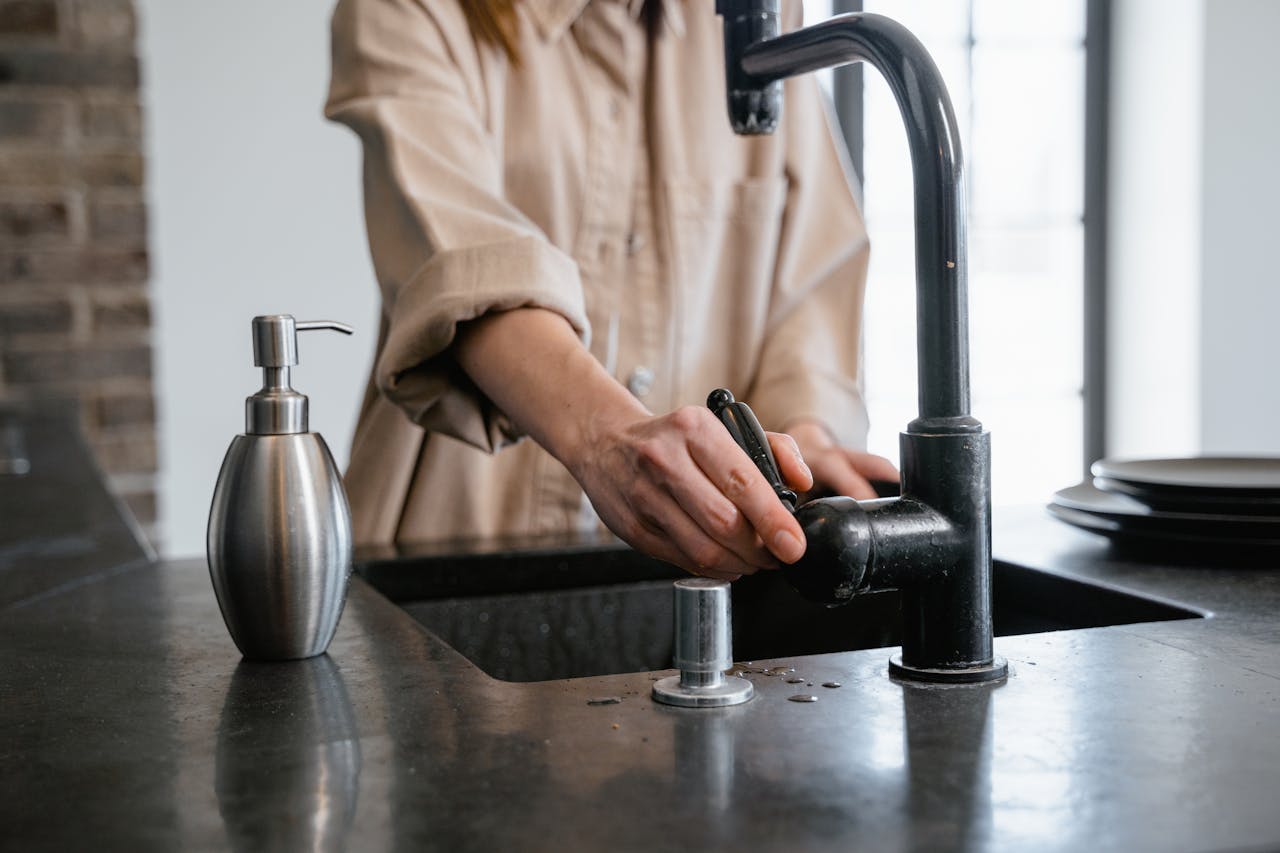
Your kitchen sink is probably the most used fixture in your house, whether it be washing up dishes, washing vegetables, or just draining off excess water from meal preparation. It’s something quite integral to daily life. Like other plumbing systems, problems build up over time with your kitchen sink. While a few minor issues may seem innocuous at first, their neglect builds up into more costly repairs or even causes water damage to your kitchen.
Early warning signs will help in keeping your plumbing system running by letting you know when your kitchen sink needs professional attention. The following are warning signs which indicate that your kitchen sink plumbing repairs:
1. Backed-up or continually clogged drains
One of the most common and easily identifiable signs that may reveal plumbing problems includes a sink that drains slowly. This is usually due to blockages down the drain, most often from food particles, grease buildups, soap scum, or foreign objects inside the pipes. While one incident of clogging can be fairly unimportant, repeated or continuous blockages indicate there is actually something seriously wrong deep inside the drainage system.
If you find that you use drain cleaners and plungers a lot, by now you should be looking to get professional assistance from a plumber. Yes, the chemical-type drain cleaners will remove the blockage now, but they are really harsh on your pipes over time. A plumber will inspect the line, find the root cause, and provide a permanent solution.
2. Odors coming from the drain area
One clear red flag out of your kitchen sink is surely bad odors emanating from it. Most times, these smells can be because of trapped food debris, grease that builds up, or bacterial growth inside the drain. Other times, such a smell may emanate from the dry P-trap, basically a U-shaped pipe under your sink that’s meant to block sewer gases.
That would be a worse problem if it were there even with the water running. Constantly bad odors usually mean that there is a blockage much deeper, or some kind of rotting materials, or another problem altogether with the sewer line. A professional drain cleaning by the plumber ensures that the pipes are sealed and functioning properly.
3. Leaking Pipes or Puddles Under the Sink
Wet spots, puddles, or moisture around or underneath your kitchen sink are warning signs that there is a problem with the plumbing. Slight leaks can be enough to damage all the cabinets, flooring, and appliances in your proximity. They create ideal mold and mildew situations.
The common causes of the leak include:
- Loose pipe connections
- Worn-out seals
- Corroded pipes
- Cracked drains
If you notice water drips or moisture spots reappearing in the places you have wiped down, it’s time to take action. A professional plumber will be able to trace the leak and then make any necessary repairs or replacements of whatever parts have been compromised to help avert further water damage.
4. Low water pressure.
Poor water pressure is a headache, especially if one is anticipating achieving daily tasks at the kitchen sink. Some of the probable causes could be one or all of the following:
- Clogged Aerator with Mineral Deposits
- A partially closed shut-off valve
- Plumbing line leak
- A blocked pipe
If cleaning the aerator in the faucet didn’t help, then the problem is with the plumbing system. Most often, low water pressure points to hidden leaks or blockages in the pipes that should be repaired by professionals.
5.Noises in the pipes
It is very important that your kitchen sink does not make any very loud or strange noises. Gurgling, bubbling, or banging typically denotes problems.
- Gurgling noises usually mean that there is some sort of problem regarding ventilation. If there isn’t enough air within the drain, it can’t function the way that it should, and thus forms air bubbles.
- The banging or knocking may be due to the loose pipes, but they could be what is called a water hammer, which takes place at the point when the flow of water ends abruptly, accumulating pressure inside the pipes.
These are the kinds of noises that can burst pipes or cause serious damages if not attended to. It is usually quite necessary to seek immediate consultation with a plumber.
6. Water back-ups into the sink
Water immediately, or at sometime after draining, backs up into your kitchen sink or during the use of other fixtures like the dishwasher. This would imply that partial or full blockages have taken place within your drainage system.
This is usually a symptom of one of the following:
- Complete obstruction of Poor installation.
- Damaged pipes.
- Blockage in the main sewer line
These types of backups can force dirty water to back up into your kitchen sink, thereby creating unsanitary conditions. Professional cleaning and inspection of your drains can help prevent long-term damage.
7. Rust and/or corrosion of pipes and fixtures
Rust and corrosion are clear signs of deterioration in your kitchen plumbing. The following can cause metal pipes to rust:
- High mineral content in water.
- Moisture accumulation.
- Aging pipes.
Corroded pipes are more susceptible to leakage and breakage, leading to major water damage. If you see rust stains, flaky pipe material, or discoloration of your pipes, get a checkup of your plumbing. Replacing old pipes will save you from a costly plumbing emergency.
8. Faucet Drips
That may be an annoyingly small problem, but it may also be an indication of worn-out washers, damaged valves, or internal corrosion. Continuous drips over a period of time raise your water bill by wasting gallons each day. If the drip goes on after you have tightened the faucet, then most probably the internal parts need either repair or replacement. A plumber will restore your faucet to efficiency by a few quick repairs.
9. Growth of Mold or Mildew Nearby
The coming up of mold or mildew around the sink, cabinets, or walls is a sure sign of hidden moisture or leakage. Besides the damage that mold might cause to materials in your kitchen, it also creates serious health problems. The moment you begin to see black spots, smell musty odors, or feel damp surfaces, there could well be leakage inside the plumbing system that does need urgent attention.
10. Discolored Water from the Tap
If water coming out of your kitchen faucet is cloudy, brownish, or has visible small particles, it may be because of corrosion inside the pipes. Sediments or pieces of rust may eventually contaminate your water supply and affect your health. Though this may be because of temporary disturbances in the water supply, discoloration that is persistent calls for plumbing system inspection and repair. Why You Should Never Ignore These Warning Signs Ignoring plumbing issues in your kitchen sink can lead to the following: Expensive repairs Water damage Mold growth Contaminated water Increased water bills Complete plumbing system failure Early detection and quick action can help you save time and money, along with a lot of stress.
Conclusion
The sink in your kitchen is vital for comfort and requires a great amount of maintenance if it is to serve optimally. Thankfully, most problems are not that hard to find out, and knowing these warning signs will give you an opportunity to fix the problem early before huge plumbing disasters occur. In case any of these mentioned things happen, then it would be better to call an expert plumber for inspecting and repairing the systems of your kitchen sink. Regular maintenance will keep your kitchen plumbing running fine, while on-time repairs extend life to your pipes and fixtures further.
