
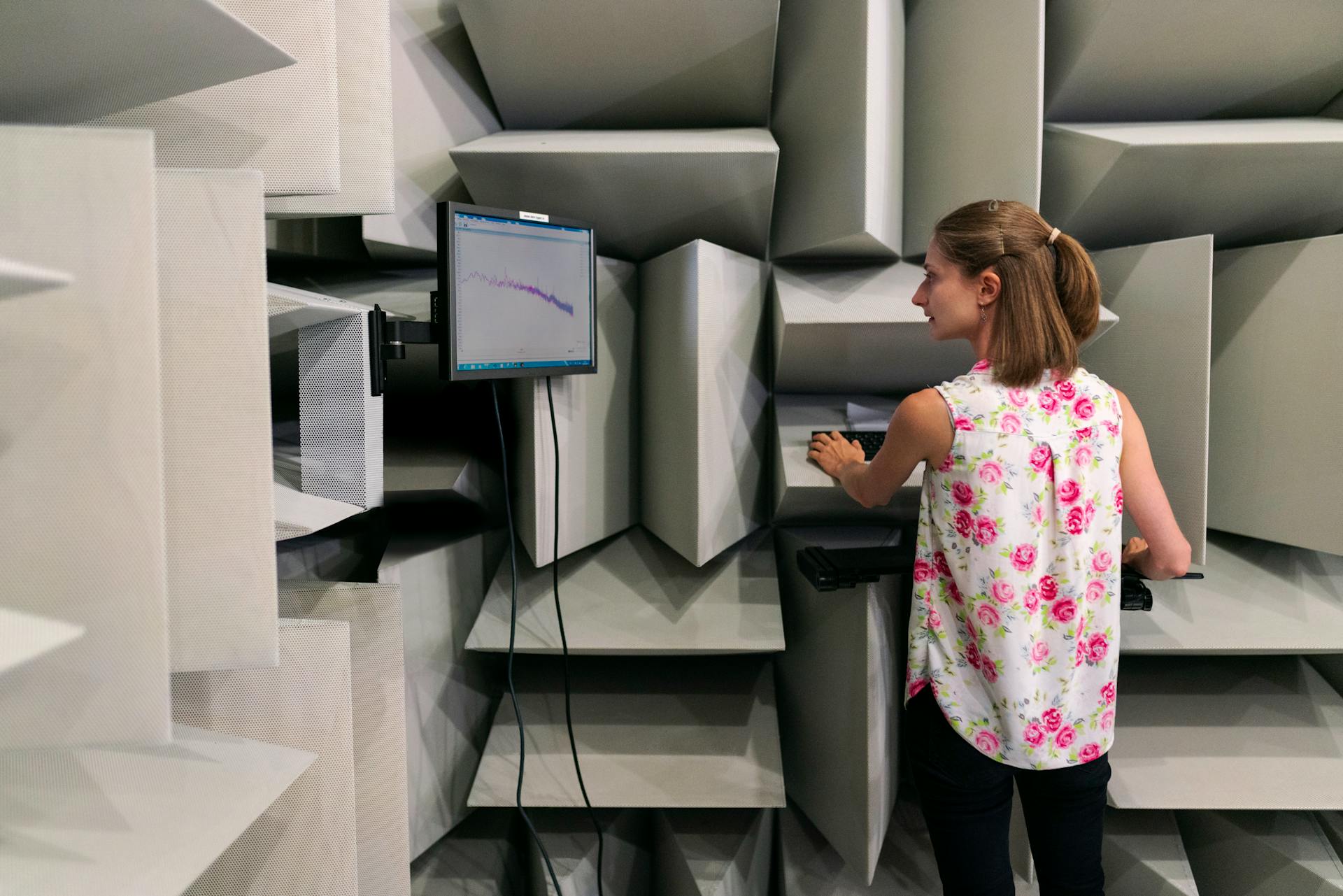
Noise rarely announces itself as the “problem.” It shows up as fatigue after a long day of calls, a living room that feels oddly stressful, a restaurant where you cannot hear your friends, or a home theater that sounds harsh instead of cinematic. In many spaces, the issue is not that sound is loud. It is that sound is bouncing everywhere.
That is where acoustic spray earns its name as an invisible fix. It targets echo and reverberation without forcing you to cover walls with bulky panels or redesign your entire interior. And if you want to explore a practical, purpose-built option, start here: acoustical spray.
What is acoustic spray?
Acoustic spray is a spray-applied sound-absorbing treatment used on surfaces like ceilings and walls to improve the acoustic comfort of a room. Instead of attaching visible absorbers (panels, clouds, baffles), you apply a seamless layer that helps “soak up” sound energy. The goal is not to make a room silent. The goal is to make the room less reflective, so sound feels calmer, clearer, and more controlled.
This category includes several systems and materials, commonly fiber-based or plaster-like finishes, designed to reduce reverberation in spaces with hard surfaces.
Soundproofing vs sound absorption (the distinction that saves you money)
A lot of people buy acoustic products expecting them to block outside noise like traffic or neighbors. That is usually the job of soundproofing (stopping sound transmission through walls/ceilings) and often requires mass, airtightness, decoupling, and construction changes.
Acoustic spray mainly addresses sound inside the room:
- It reduces echo.
- It shortens reverberation time.
- It improves speech clarity.
- It makes a room feel less “sharp” and less tiring.
If your problem is “I can hear my neighbor’s TV through the wall,” acoustic spray alone will not solve that. If your problem is “My room sounds harsh and echoey,” it can be a game-changer.
How acoustic spray works
The simple explanation
When sound hits a hard surface (painted drywall, glass, concrete), it reflects back into the room. That reflection stacks up and creates echo and a long “tail” after people speak or music plays.
Acoustic spray changes that surface behavior. The sprayed layer contains materials and texture that allow sound energy to enter the layer and dissipate, rather than bouncing straight back.
Why that reduces echo and reverberation
Echo is essentially repeated reflection. Reverberation is the persistence of sound in a space after the source stops. Add enough absorption, and the room stops “ringing.” This is why offices, restaurants, gyms, and modern homes with hard finishes often feel instantly more comfortable when absorption is introduced.
How effectiveness is measured (NRC, briefly)
You will often see a rating called NRC (Noise Reduction Coefficient). NRC is a simplified average of how much sound a material absorbs across key frequencies, rounded to a standard increment.
Some spray-applied acoustic systems are marketed with NRC values that can reach around 0.90 (Class A) depending on the system and thickness, which indicates high absorption performance for reverberation control.
Why “invisible” matters in real interiors
Traditional acoustic panels work, but they can conflict with design goals. Spray-applied systems are popular because they are:
- Seamless (no joints, no grid lines)
- Visually minimal
- Flexible across shapes and large surfaces
- Compatible with modern architecture where ceilings and walls are design features
Acosorb specifically positions acoustic spraying as a solution that improves acoustic comfort by absorbing sound waves, supporting functionality and quality of life in many settings.
Where acoustic spray makes the biggest difference
- Living rooms with hard finishes
Modern interiors often combine large windows, tiles, wooden floors, and minimal soft furnishings. That looks premium, but it can create harsh acoustics. A sound-absorbing ceiling treatment is often the cleanest fix because it targets a large reflective plane without touching your décor.
- Bedrooms where calm matters
Even if you cannot eliminate outside noise entirely, reducing internal reflections can make a bedroom feel less stimulating. The room sounds “softer,” which helps at night and early morning.
Noise is also strongly linked to sleep disturbance and health impacts. WHO summaries emphasize that excessive noise can contribute to sleep disturbance and other health effects.
- Home workspaces and call-heavy rooms
If your voice sounds “boxy” on meetings or you feel mentally drained after calls, reverberation is usually part of the issue. Absorption improves clarity for you and for the people listening on the other end.
- Restaurants, cafés, and open-plan offices
These are classic problem spaces: hard floors, high ceilings, lots of people, lots of reflections. Fiber-based sprayed absorption is widely marketed specifically to reduce reverberation time and improve intelligibility.
- Music rooms and home theaters
A room with uncontrolled reflections can make music sound messy and dialogue hard to understand. Absorption helps define the sound. It will not replace a fully tuned studio, but it can take a room from “echoey” to “comfortable” fast.
What acoustic spray is made of
Different manufacturers use different formulations, but common materials include:
- Cellulose-based fibers
- Mineral wool fibers
- Recycled natural fibers
- Binder systems that allow spray application and adhesion
These material families are frequently referenced for seamless acoustic spray systems.
The choice affects texture, finish, and sometimes performance, so it is worth matching the system to the look you want (smooth vs textured) and the acoustic goal (mild control vs strong reverberation reduction).
Application: what the process typically looks like
Applying acoustic spray is often described as “like painting,” but with more technical prep. Systems are usually sprayed in layers to build a consistent finish. Acosorb notes crosswise sprayed layers as part of the process for certain products and highlights that it can be applied to almost any surface.
In general, a good application workflow includes:
- Surface preparation
Clean, stable, suitable substrate. Any loose paint, dust, or moisture issues should be handled first. - Masking and protection
Spraying requires careful masking of fixtures, windows, and edges. - Spray equipment setup
The installer uses a spray device suited for the material and desired texture. - Layered application
Multiple passes help achieve even coverage and performance. - Drying and inspection
Dry time depends on humidity, thickness, and ventilation.
If you are curious about the method and where it fits, the Acosorb overview on acoustical spray is a good reference point.
Sustainability and indoor health considerations
Many people look at acoustic spray because they want a better living environment without introducing heavy, synthetic-looking additions. On sustainability, two things matter:
- Material composition(recycled content, fiber source, binder type)
- Longevity(a durable treatment you do not replace every few years)
Some acoustic spray product lines highlight post-consumer recycled content differences between lines, which is a practical detail if sustainability is a purchase criterion for you.
On indoor health, the bigger “why” is that chronic noise exposure is not just annoying. WHO resources and research summaries link environmental noise to sleep disturbance and broader health impacts.
A quieter-feeling home is not only about comfort. It is about reducing daily friction.
Common mistakes to avoid
- Expecting it to replace soundproofing
Acoustic spray improves the sound inthe room. It does not automatically block sound coming through walls. - Treating only one small patch
Acoustic comfort improves when you treat enough reflective surface area, usually ceilings first. - Ignoring the room’s layout
A room with lots of glass and tile may still need rugs, curtains, or furniture changes for best results. - Choosing texture without considering cleaning
Some textures trap dust more than others. Decide what maintenance level you want. - Skipping performance questions
Ask about the intended acoustic outcome: reducing reverberation, improving speech clarity, or balancing a music space.
Who should consider acoustic spray?
Acoustic spray is especially useful if you want:
- A minimalist look with better sound comfort
- A seamless finish for large ceilings
- Improved speech clarity in shared spaces
- A practical upgrade for offices, hospitality, or home work zones
It is also an excellent choice when architectural ceilings are curved, uneven, or visually sensitive, where panel systems would feel intrusive.
Final thoughts
Acoustic spray is one of the rare upgrades that changes how a space feels without changing how it looks. When the echo disappears, the room becomes easier to live in. Conversations become clearer. Work feels calmer. Entertainment sounds cleaner. And you stop fighting the room’s acoustics every day.
If you are exploring options, the best next step is to align your goal (less echo, better clarity, calmer feel) with a solution designed for seamless application. For more details and practical direction, review this guide on acoustical spray.
FAQ
- What does acoustic spray actually improve?
It mainly improves reverberation control and reduces echo by absorbing sound energy instead of reflecting it back into the room.
- Will acoustic spray stop me from hearing traffic or neighbors?
Not reliably on its own. That is typically a soundproofing problem (sound transmission). Acoustic spray is primarily for sound quality inside the room.
- Is acoustic spray visible?
It can be designed to look seamless and minimal compared to panels. The finish depends on the product and texture chosen, ranging from smoother to more textured applications.
- How do I know if a spray system is “high performance”?
Look for published acoustic performance metrics such as NRC and ask how the value changes with thickness and substrate. NRC is a standardized way to summarize absorption.
- What is a “good” NRC number?
Higher generally means more absorption for reverberation control. Some acoustic plaster/spray systems cite values around NRC 0.90 (Class A) for strong performance, depending on system design.
- Is acoustic spray suitable for offices and restaurants?
Yes, these are common use cases because they often struggle with speech clarity and noisy reflections.
- Can I DIY acoustic spray?
Some products and projects can be DIY, but results depend heavily on correct application, thickness, and preparation. If performance and finish matter, professional installation is often worth it.
- Does acoustic treatment have real health value?
Noise exposure is associated with sleep disturbance and other health impacts, and WHO resources emphasize that excessive environmental noise is not just a nuisance. Improving acoustic comfort is one practical way to reduce daily noise stress indoors.
- Does it work on any surface?
Many systems are designed to be applied to ceilings and walls and can be used across different substrates, but you should confirm compatibility for your specific surface and environment.
- Where should I apply it first for the biggest impact?
In most rooms, the ceiling is the best first surface because it is large, reflective, and usually unobstructed.
