
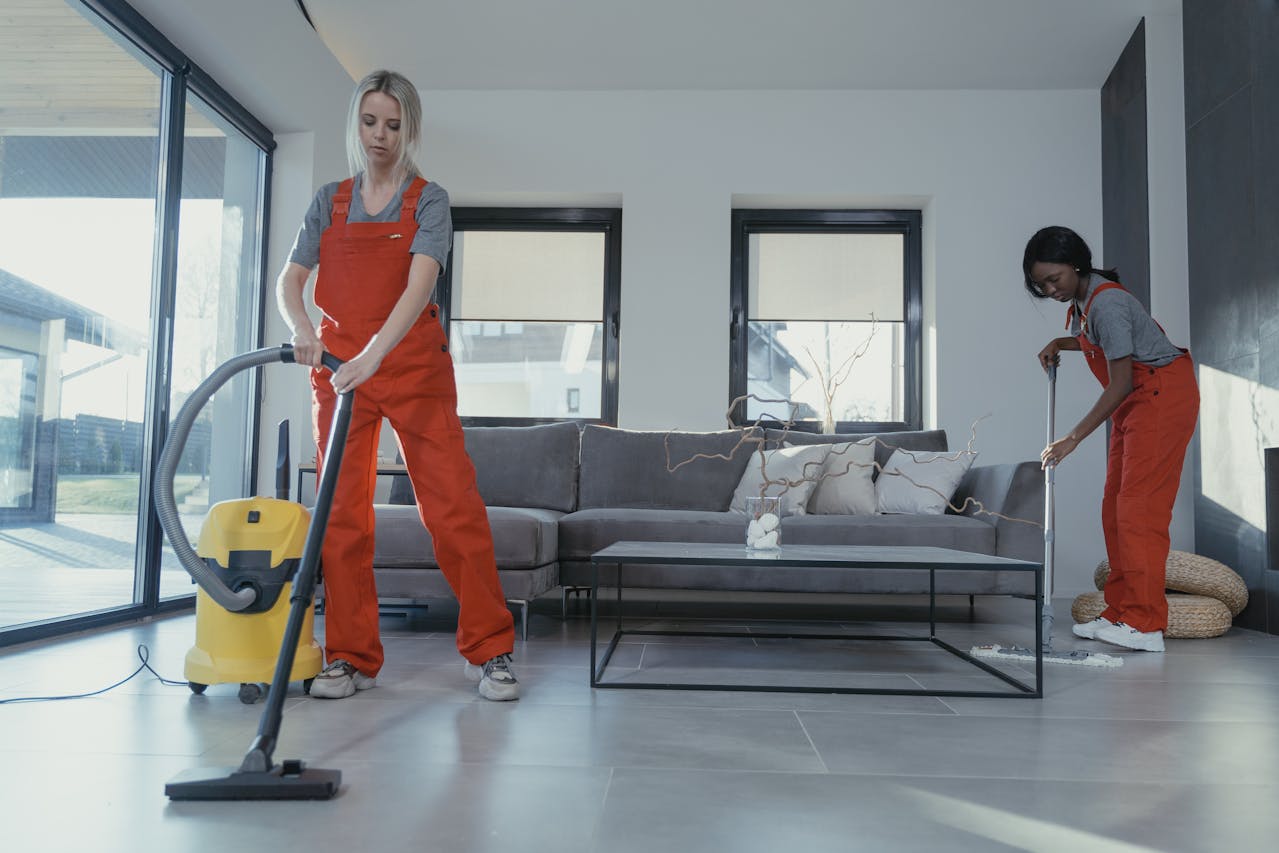
Maintaining clean floors throughout your home is essential for both hygiene and aesthetics, yet many homeowners find themselves confused about the right approach for their specific surfaces. Whether you rely on time-tested cleaning methods or prefer modern solutions like a floor cleaner designed for specific surfaces, mastering proper floor maintenance techniques will help preserve your investment and create a healthier living environment. This comprehensive guide provides the essential knowledge you need to care for various flooring materials effectively.
Identifying Your Floor Type: The Foundation of Proper Care
Understanding your flooring material is absolutely crucial because different surfaces require entirely different maintenance approaches. Hardwood floors demand gentle, moisture-controlled cleaning to prevent warping and finish damage, while ceramic tiles can withstand more aggressive scrubbing. Laminate flooring may mimic wood’s appearance, but its synthetic composition requires a different care strategy altogether. Natural stone surfaces like marble or granite need pH-neutral solutions to avoid permanent etching.
Several key characteristics affect your cleaning approach: porosity, finish type, and material composition. Sealed hardwood can handle light mopping, but unsealed wood should only be cleaned using specialized dry methods. Similarly, textured tiles tend to trap more dirt than smooth surfaces, requiring different cleaning frequencies and techniques to maintain their appearance.
Establishing Effective Cleaning Routines for Long-Term Floor Health
Daily maintenance prevents the buildup that leads to permanent damage down the road. Simple practices like sweeping high-traffic areas, investing in quality doormats, and addressing spills the moment they happen can significantly extend your floors’ lifespan. In homes with pets or children, daily vacuuming of carpeted areas and quick spot-cleaning of hard surfaces becomes even more important.
Weekly deep-cleaning strategies should be customized for each floor type in your home. Hardwood thrives with microfiber mopping using minimal moisture, while vinyl and laminate can handle slightly more water-based cleaning approaches. Tile floors often require special attention to grout lines, and carpeted areas need thorough vacuuming with periodic professional cleaning. Timing plays a role too—try to avoid cleaning floors during particularly humid days when possible, since extended drying times can promote mold growth or cause wood damage.
Tackling Stubborn Stains and Damage: Solutions for Common Issues
Different stain types demand specific approaches for effective removal. Organic stains from food spills or pet accidents respond well to enzyme-based cleaners, while mineral deposits left by hard water need acidic solutions. However, never use acidic cleaners on natural stone surfaces, as they can cause irreversible etching that ruins the stone’s finish.
Quick action is your best defense against permanent damage. Water rings on hardwood, rust stains on tile, or ground-in dirt on carpet become increasingly stubborn over time. Learning when to use gentle methods versus more aggressive approaches—and recognizing when it’s time to call in professionals—can save both your floors and your budget in the long run.
Seasonal Floor Care: Preparing for Changing Conditions
Seasonal changes dramatically impact your floor maintenance needs. Winter brings salt, sand, and increased moisture from wet boots, requiring more frequent cleaning and additional protective measures. Summer’s higher humidity levels can affect wood floors, while spring cleaning often reveals accumulated damage from the harsh winter months.
Deep seasonal cleaning should incorporate protective treatments where appropriate. This might involve reapplying wood floor polish, resealing grout lines, or scheduling professional carpet cleaning. Fall preparation deserves special attention—ensuring proper humidity levels and addressing any summer damage before winter’s challenging conditions return helps maintain your floors year-round.
Choosing the Right Tools and Cleaning Solutions for Your Needs
Modern cleaning equipment offers substantial advantages over traditional methods in terms of both efficiency and effectiveness. The best choice for your home depends on your specific flooring types, household size, and personal cleaning preferences. When considering cost-effectiveness, factor in not just the initial purchase price but also ongoing maintenance and replacement costs over time.
Natural cleaning solutions work remarkably well for many applications while offering environmental and safety benefits, particularly valuable in homes with children or pets. Some situations, however, require commercial-grade products to achieve effective cleaning or proper sanitization.
Extending Floor Life: Protective Measures and Best Practices
Prevention remains the most cost-effective floor maintenance strategy available. Smart furniture placement, protective pads, and thoughtful traffic pattern management can dramatically reduce everyday wear and tear. Protective coatings and treatments suited to your specific floor type provide additional defense against daily use and abuse.
Taking a long-term approach to floor care includes understanding when regular maintenance should transition to restoration. Recognizing early warning signs of significant wear allows for timely intervention that can considerably extend your floors’ useful life.
Moving Forward: Your Floor Maintenance Action Plan
Proper floor maintenance represents a smart investment in your home’s comfort, value, and longevity. By understanding your specific floor types and implementing consistent, appropriate care routines, you can significantly extend their lifespan while preserving their appearance and functionality.
Begin by honestly assessing your current maintenance routine and identifying one or two improvements you can implement right away. Whether that means upgrading your cleaning tools, adjusting your cleaning frequency, or simply maintaining better consistency with daily upkeep, small changes often yield impressive long-term benefits. Remember that consistency beats intensity every time—regular, gentle care typically produces far better results than sporadic, intensive cleaning sessions that stress your floors unnecessarily.
