
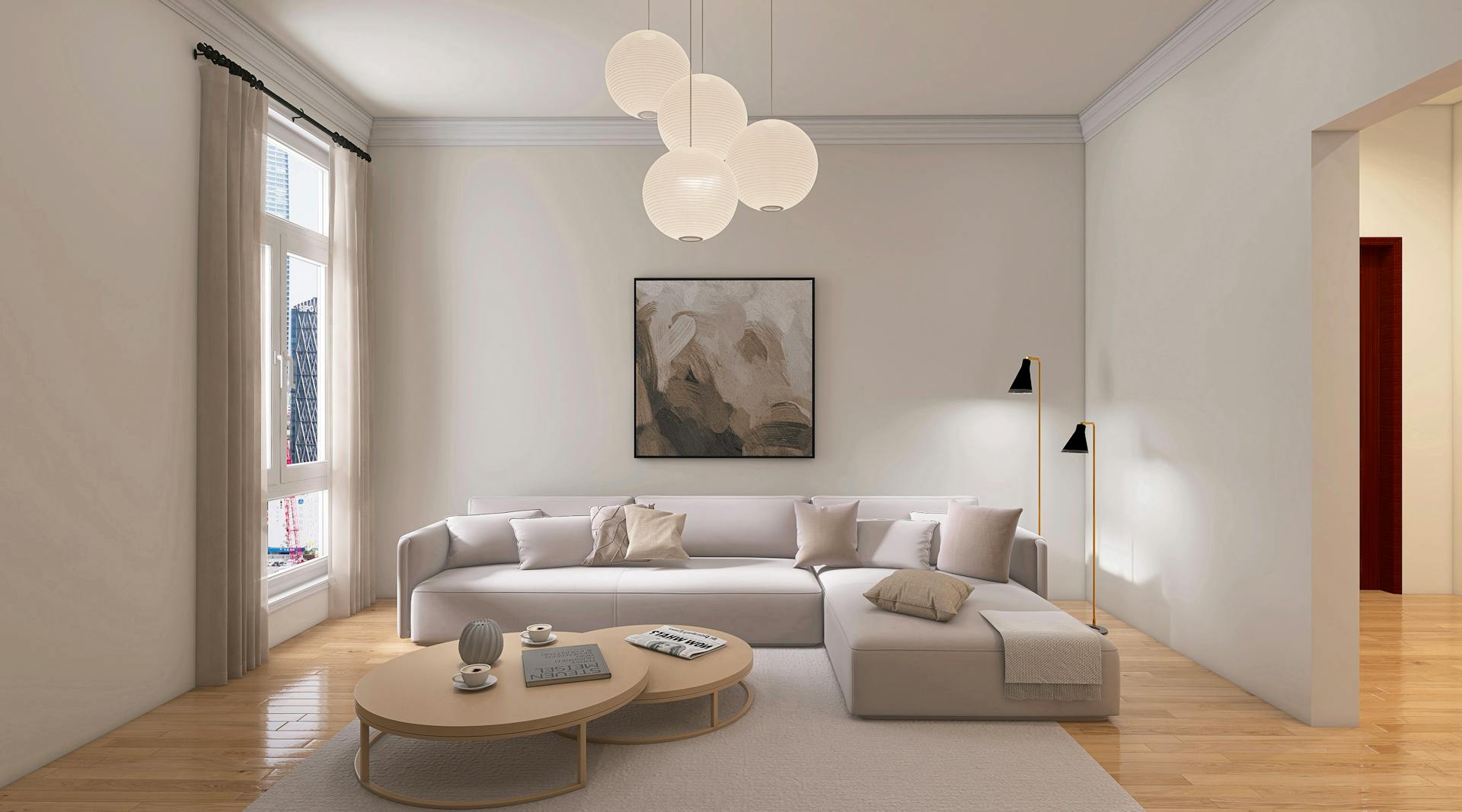
Many people plan a room by starting with furniture and color. That approach can lead to spaces that look fine but feel generic. Instead, why not try a different approach that focuses on personal memories and builds the room around them? This shift changes how a space feels because it reflects lived experience rather than showroom logic. Photos, keepsakes, and objects with history give a room meaning before any furniture choice comes into play. People recognize these items because they already matter to them. That familiarity helps a space feel settled much earlier than matching furniture ever does.
Work on the walls first
Wall displays are key to many families’ memory displays. Walls are the perfect canvas for showcasing memories as art, so keep this in mind when planning your rooms. If there’s a perfect photo display wall in a particular room, don’t cover it up with furniture. Instead, think about how to best utilise it for your memories. Think about the format of your photos here. You don’t have to line up uniform rectangles – you can get creative with the shape and layout of your photo memories. For example, hexagonal photo prints give structure without forcing a rigid layout. You can choose the images first and then decide how you want them arranged. The shape allows the display to grow over time without needing symmetry or careful planning.
Think about personal items
Other objects can support the same idea. Items collected over time often hold more meaning than decorative pieces bought to match a scheme. Framed tickets to a concert you loved, inherited pieces, or handmade items belong in visible places because they already connect to daily life. Guests notice these details because they feel specific rather than styled.
Make small changes
This approach does not require large gestures. Small changes often work better. Replacing generic wall art with personal images shifts the tone of a room immediately. Moving a meaningful object into view makes it part of everyday use rather than storage. Remember, furniture still has a role, but it supports the space instead of leading it. Older pieces often suit this approach well because they already carry context. Refurbishing a sentimental item keeps that context intact while making it practical. New furniture can still work if it stays neutral and leaves attention on the personal elements.
Let the room evolve and grow
Rooms designed this way tend to change slowly. People add to them as new memories form. That gradual change keeps the space relevant without constant redesign. The room grows with the people who live there instead of resetting every time tastes shift.
This method also removes pressure. There is no need to complete a room quickly or make everything match. The space develops as items find their place. That process feels more natural because it mirrors how memories accumulate.
Design around memories for a truly meaningful space
Designing around memories creates rooms that feel lived in without feeling cluttered. Each item earns its place through meaning rather than appearance. The result feels personal because it is personal.
A home built this way reflects real life rather than design rules. Furniture supports the story instead of replacing it. That balance makes the space easier to live in and harder to outgrow.
