
Renovation and upgrade decisions play a critical role in protecting and enhancing a home’s long-term value. For both buyers and existing homeowners, improvements are not only about visual appeal or modern features. The quality, scope, and execution of upgrades directly affect structural safety, energy efficiency, insurance eligibility, and future resale outcomes. A thoughtful renovation and upgrade strategy considers how each project contributes to the property’s overall performance and durability.
When planning improvements, homeowners usually interact with multiple trades, timelines, and technical requirements. Working with qualified professionals, including a roofing contractor offering credible services in the area, aligns with a broader renovation approach that prioritizes compliance, coordination, and long-term protection over short-term cosmetic results.
Why Renovation Decisions Influence Long-Term Value
Renovations alter the physical systems that define how a home functions. Structural components, exterior protection, and mechanical systems all contribute to a property’s resistance to environmental stress and aging. Poorly planned or improperly executed upgrades can reduce value, introduce risk, or complicate future transactions.
Renovation decisions influence long-term value by affecting:
- Structural integrity and safety
- Energy performance and operating costs
- Maintenance frequency and repair risk
- Insurance acceptance and coverage terms
- Buyer confidence during resale evaluations
A thoughtful renovation and upgrade approach evaluates these impacts before work begins, ensuring that improvements align with both current needs and future expectations.
Structural Upgrades and Core System Improvements
Structural and system upgrades form the foundation of long-term home performance. These improvements are less visible than interior finishes but have a greater influence on safety and durability.
Structural Reinforcement and Safety
Structural upgrades may consist of foundation repairs, framing reinforcement, or load-bearing modifications. These projects are essential when addressing settlement, moisture damage, or layout changes that affect weight distribution.
Key considerations are:
- Compliance with current building codes
- Engineering assessments, where required
- Proper permits and inspections
- Integration with existing structural elements
Unpermitted or poorly documented structural work can create legal and financial challenges during resale or refinancing.
Mechanical and Electrical System Replacements
Aging mechanical systems pose both safety risks and value concerns. Electrical panels, wiring, plumbing, and HVAC systems must meet modern standards to support insurance eligibility and buyer confidence.
System upgrades focus on:
- Reducing fire and water damage risk
- Supporting energy-efficient operation
- Meeting insurer and lender requirements
- Accommodating future technology upgrades
Homes with updated core systems perform better during inspections and reduce uncertainty for future owners.
Exterior Improvements and Weather Protection
Exterior renovations protect the home from environmental exposure. These upgrades have a direct impact on longevity, maintenance costs, and energy efficiency.
Roofing, Siding, and Exterior Envelopes
The exterior envelope includes roofing, siding, windows, and moisture barriers. Together, these elements control water intrusion, air leakage, and thermal performance.
Effective exterior upgrades focus on:
- Durable materials suited to the regional climate
- Proper flashing and drainage details
- Continuous air and moisture barriers
- Integration between roofing and wall systems
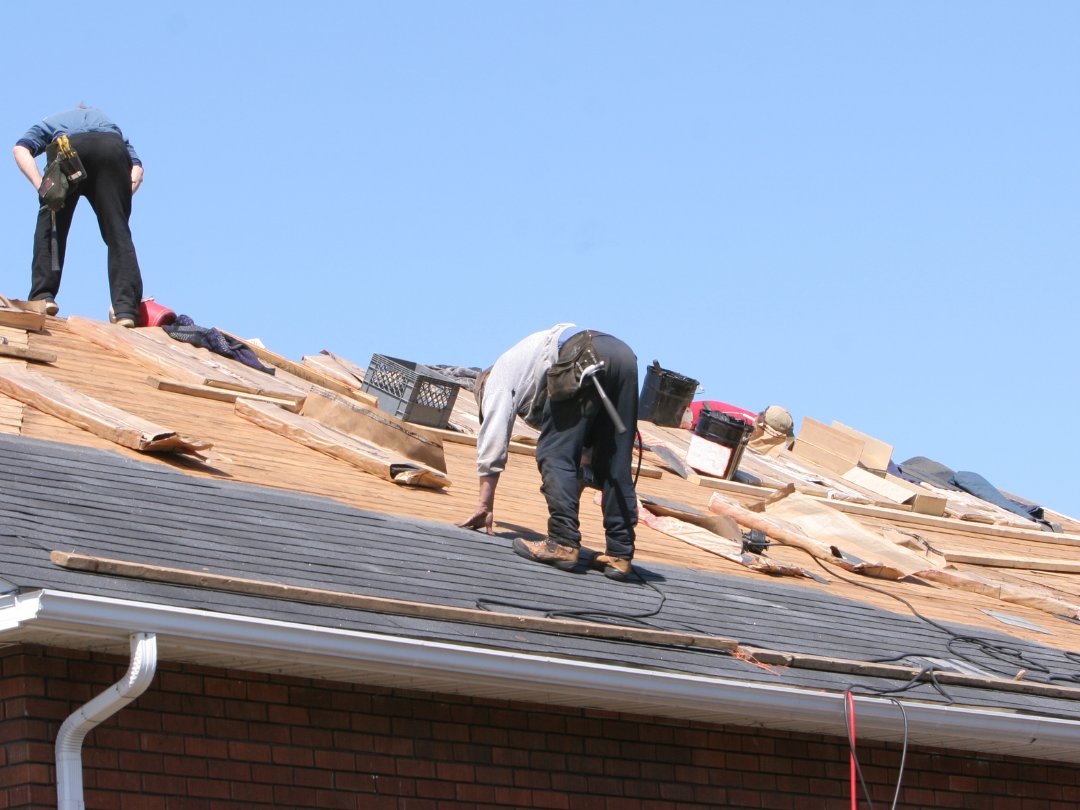
Roof-related upgrades influence far more than surface appearance. Roofing systems affect moisture control, ventilation balance, insulation performance, and structural protection throughout the home. Engaging a reliable roofing contractor helps ensure that materials, installation methods, and sequencing align with building codes and regional climate conditions.
Therefore, selecting a reliable roofing contractor is truly essential, as roofing affects the overall structure of the house. This approach reduces long-term maintenance risk and supports consistent performance across the entire exterior envelope.
Insulation and Energy Performance
Insulation upgrades are part of broader renovation plans. Proper insulation reduces energy loss, improves comfort, and supports long-term cost control.
Insulation decisions should consider:
- Climate zone requirements
- Compatibility with existing assemblies
- Moisture management and ventilation
- Long-term performance stability
In cold-climate regions, heating and cooling make up nearly half of a typical household’s energy use, with space heating dominating during cold seasons. This highlights how insulation and exterior upgrades influence operating efficiency over time.
Insurance, Compliance, and Documentation
Renovations influence more than physical condition or visual appeal. They directly affect how insurers and lenders assess a property, particularly when upgrades involve structural systems, exterior protection, or mechanical components. Insurance eligibility, coverage limits, and underwriting decisions depend on whether renovations were completed to current standards and adequately documented.
The following are common areas that receive scrutiny:
- Roof age, material type, and installation method
- Electrical system capacity, wiring materials, and panel condition
- Plumbing materials, connection methods, and leak history
- Evidence of permits, inspections, and code compliance
When upgrades lack documentation or involve inconsistent craft, insurers may apply exclusions, increase premiums, or decline coverage altogether. This is why renovation planning should account for regulatory compliance and record keeping, not just project completion. Coordination with licensed trades, including a professional roofing company for exterior renovations, helps minimize gaps that can create coverage uncertainty later.
Moreover, water intrusion remains one of the most significant drivers of residential insurance loss in Canada, accounting for nearly half of all home insurance claims. This concentration of loss helps explain why insurers pay close attention to renovation quality, particularly where roofing, flashing, ventilation, and drainage systems intersect. Inadequate sequencing or improper detailing in these areas can create hidden moisture pathways that compromise insulation, interior finishes, and, in some cases, structural components. Over time, these issues increase claim risk, complicate policy renewals, and can surface during resale disclosures or inspections.
Contractor Selection and Project Coordination
Choosing the right professionals is as important as selecting the right materials. Contractor quality directly affects craft, compliance, and long-term outcomes.
Evaluating Contractor Qualifications
Homeowners should assess contractors based on experience, scope alignment, and regulatory compliance, rather than solely on pricing.
Evaluation criteria include:
- Licensing and insurance coverage
- Experience with similar renovation types
- Knowledge of local building codes
- Clear documentation and contracts
Engaging providers that deliver credible roofing services and other specialized trades reduces the risk of rework, disputes, and performance failures.
Managing Scope and Avoiding Costly Mistakes
Scope clarity is essential to the success of a renovation. Undefined or shifting scope can lead to budget overruns and incomplete outcomes.
Effective scope management comprises:
- Detailed project descriptions
- Defined material specifications
- Clear responsibility boundaries between trades
- Realistic timelines and sequencing
Roofing, insulation, and exterior upgrades should be coordinated to avoid conflicts between systems. A reliable roofing contractor can contribute to this coordination by aligning roof work with ventilation, insulation, and drainage requirements.
Renovations and Resale Considerations
Renovation choices influence how buyers evaluate a property. Buyers increasingly look for evidence of quality, compliance, and durability rather than purely aesthetic updates.
Renovations that support resale value typically:
- Address major systems before cosmetic upgrades
- Use materials with predictable lifespans
- Include documentation and permits
- Demonstrate professional quality
A thoughtful renovation and upgrade strategy prioritizes improvements that reduce future uncertainty for buyers and inspectors.
Building a Renovation Strategy Focused on Longevity
Long-term home value is protected through deliberate planning, qualified execution, and system-level thinking. Hence, renovations should be part of an integrated strategy.
Coordinating with experienced professionals, say, a professional roofing company offering credible services in the area, supports durability, compliance, and predictable performance. When credible roofing services and other qualified trades are incorporated into renovation planning, homeowners are better positioned to protect safety, efficiency, and long-term value without relying on promotional claims or short-term trends.
