
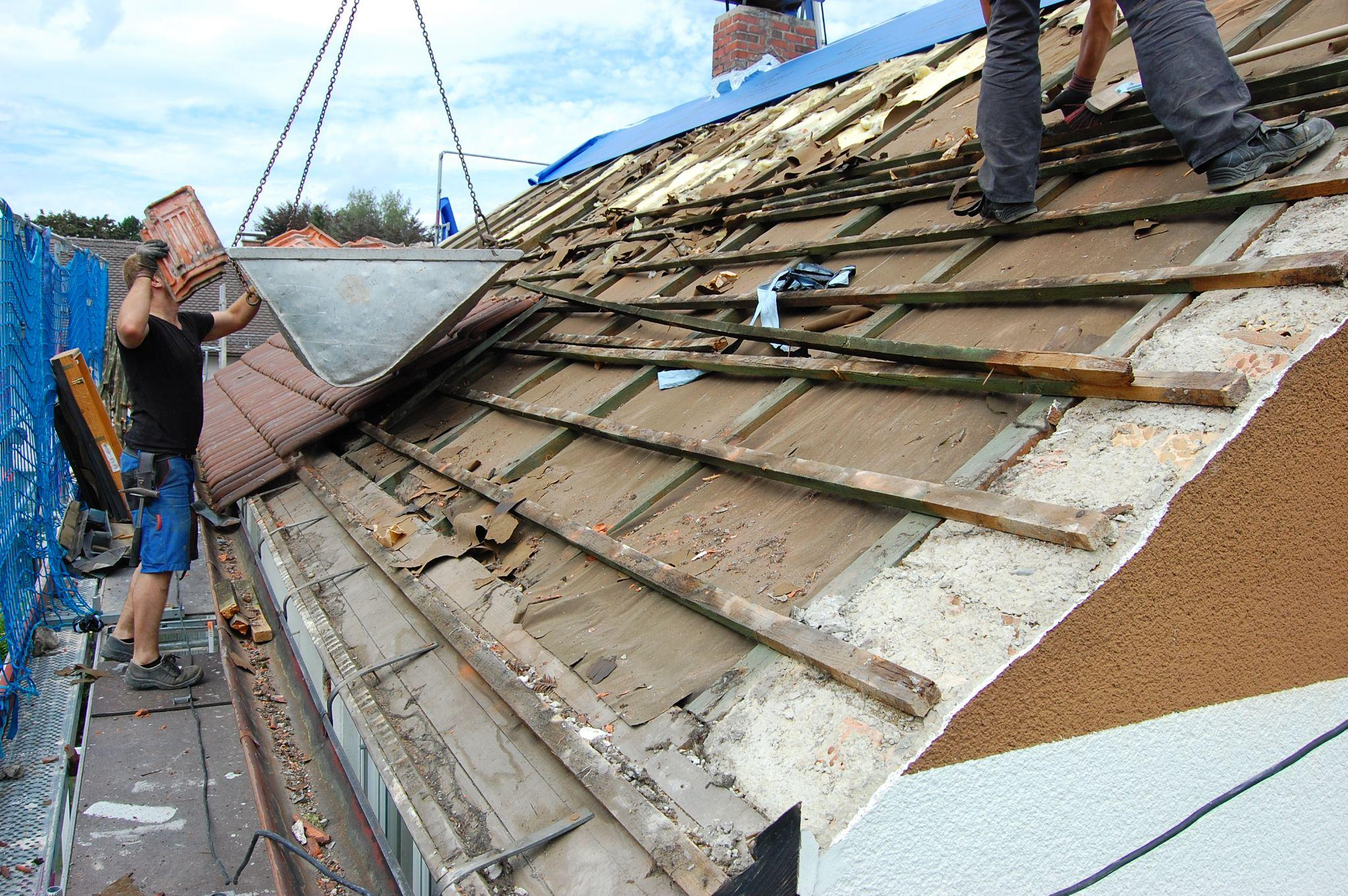
Winter in Calgary is not subtle.
Snow accumulates quickly. Temperatures swing dramatically. Chinooks melt everything in sight, only for deep freezes to lock it all back in place. While you might adapt with heavier jackets and winter tires, your roof absorbs every fluctuation without protection.
Over time, that stress adds up.
If you are a homeowner in Alberta, understanding how Calgary winters impact your roof’s lifespan can help you prevent damage, avoid emergency repairs, and plan ahead before problems escalate.
Let’s look at what is really happening above your ceiling each winter.
Calgary’s Climate Is Demanding on Roofing Systems
Calgary winters typically include:
- Heavy snowfall
- Rapid freeze-thaw cycles
- Strong winter winds
- Sudden temperature shifts
- Ice buildup along roof edges
According to Environment and Climate Change Canada, Calgary frequently experiences temperature swings above and below freezing during winter months. These fluctuations place repeated expansion and contraction stress on roofing materials.
You can review official climate data here:
https://climate.weather.gc.ca/
Unlike milder regions, Calgary’s roofing systems must withstand moisture infiltration, thermal movement, and wind uplift simultaneously.
Freeze-Thaw Cycles: The Primary Lifespan Reducer
Snow itself is not the biggest issue.
The real concern is the freeze-thaw cycle.
Here is how it works:
- Snow melts slightly during warmer daytime temperatures.
- Meltwater seeps under shingles.
- Temperatures drop overnight.
- The trapped water freezes and expands.
Water expands roughly 9 percent when frozen. That expansion creates pressure beneath shingles and around flashing points.
Repeated freeze-thaw cycles can:
- Lift shingle edges
- Break adhesive seals
- Widen small cracks
- Loosen fasteners
- Allow moisture infiltration
One winter may not cause visible damage. Ten winters often do.
Ice Dams and Water Backup
Ice dams are a common winter issue in Calgary.
They form when warm attic air melts snow unevenly. The water runs downward and refreezes near the colder eaves, creating a ridge of ice.
When additional meltwater has nowhere to drain, it backs up beneath shingles.
This can result in:
- Roof decking saturation
- Insulation damage
- Interior ceiling stains
- Mold risk
- Structural weakening
Ice dams are often a symptom of inadequate attic insulation or ventilation.
Snow Load Stress on Structural Components
Fresh snowfall may look light, but accumulated snow becomes heavy, especially when moisture content increases.
Excessive snow load can:
- Stress roof framing
- Cause decking fatigue
- Loosen shingles
- Increase sagging risk
While Alberta building codes account for snow load, aging roofing systems become more vulnerable with each passing winter.
Low-slope roofs and older homes face increased exposure to this type of structural stress.
Winter Winds and Shingle Uplift
Calgary is also known for strong winter winds.
High winds can:
- Lift shingle edges
- Break seal strips
- Tear flashing
- Expose underlayment
Once seals are broken, snow and moisture penetrate more easily. Winter wind damage often remains hidden until spring thaw reveals leaks.
UV Reflection From Snow
Snow does more than accumulate. It reflects sunlight.
Bright winter days can intensify ultraviolet exposure through reflection, accelerating:
- Granule loss
- Surface brittleness
- Material aging
Even in cold temperatures, UV radiation contributes to long-term roof degradation.
How Long Should a Roof Last in Calgary?
Most asphalt shingle roofs are rated for 20 to 30 years under optimal conditions.
In a climate like Calgary’s, lifespan depends heavily on:
- Installation quality
- Ventilation design
- Insulation effectiveness
- Ongoing maintenance
Warning signs winter may be shortening your roof’s lifespan include:
- Curling or cracked shingles
- Missing granules in gutters
- Water stains on ceilings
- Recurring ice dam formation
- Uneven roof lines
If your roof is approaching 20 years of age and displaying these indicators, it may be time to evaluate replacement options.
Homeowners researching Roof Replacement Calgary services often discover that proactive replacement prevents far more expensive interior damage later on.
Preventative Steps That Extend Roof Lifespan
Winter damage can be minimized with proactive planning.
Improve Attic Insulation
Balanced insulation reduces uneven melting and ice dam formation.
Optimize Ventilation
Proper airflow keeps attic temperatures stable, preventing hot spots.
Install Ice and Water Shield Barriers
Strategic underlayment placement offers additional protection at vulnerable roof edges.
Schedule Fall Inspections
Pre-winter inspections identify loose shingles, cracked flashing, and weak seal points before snow accumulation begins.
Keep Gutters Clear
Proper drainage reduces ice buildup and water backup.
When Repairs Are No Longer Enough
Targeted repairs are effective for isolated issues.
However, full replacement may be more cost-efficient when:
- Damage is widespread
- Leaks recur
- Shingles are brittle and deteriorating
- Structural sagging is visible
- Roof age exceeds two decades
Waiting too long can result in secondary damage that affects insulation, drywall, and framing.
The Financial Impact of Delaying Roofing Work
Ignoring winter-related wear can lead to:
- Mold remediation costs
- Interior drywall replacement
- Insulation damage
- Increased heating expenses
- Structural repairs
Addressing roofing concerns early protects both property value and long-term maintenance budgets.
Final Thoughts
Calgary winters are beautiful but demanding. Freeze-thaw cycles, snow load, wind uplift, and ice accumulation quietly shorten your roof’s lifespan each year.
While no roofing system is immune to Alberta’s climate, proper installation, ventilation, insulation, and routine inspections significantly improve durability.
If your roof is aging or showing signs of winter stress, a professional assessment can help determine whether repairs are sufficient or replacement is the smarter long-term solution.
Winter will return. Ensuring your roof is ready for it protects everything beneath it.
