
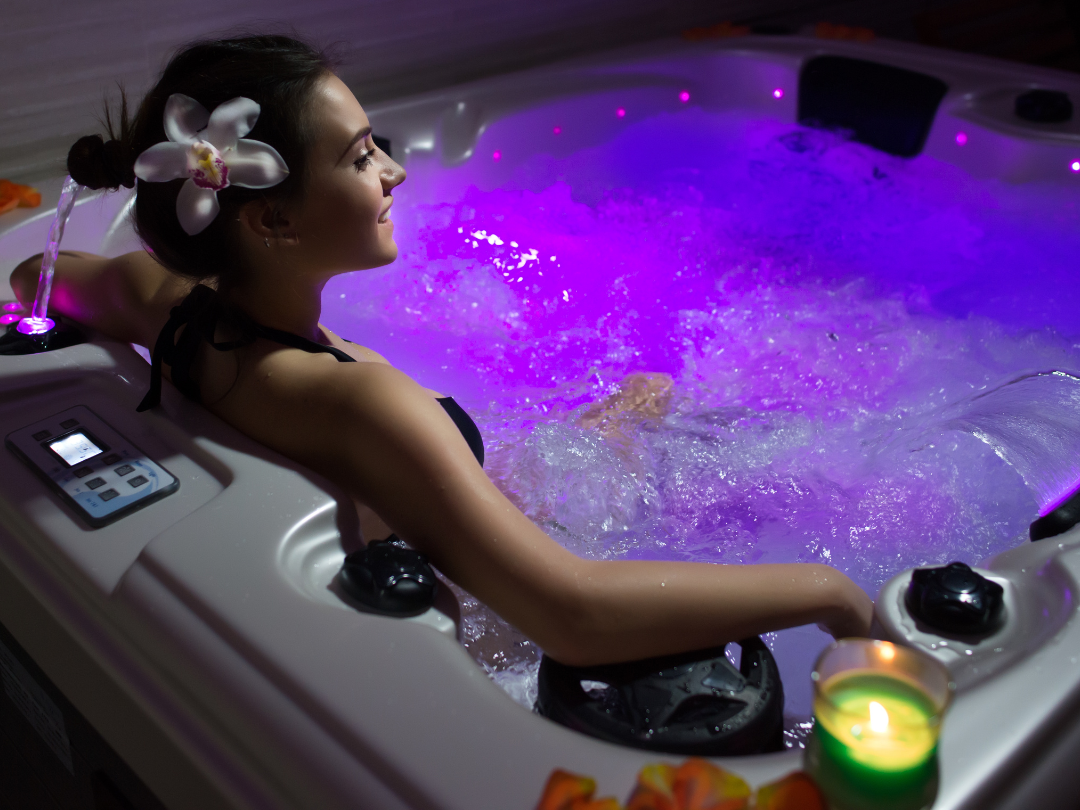
At-home wellness has shifted from a niche interest to a practical approach to maintaining physical and mental health. As daily schedules become more demanding, many North Americans are looking for ways to support recovery, relaxation, and long-term well-being without relying on external facilities or infrequent appointments. Creating intentional wellness spaces at home allows individuals and families to integrate health-supporting practices into everyday routines rather than treating them as occasional escapes.
This shift reflects a broader understanding that wellness is built through consistency. Thoughtfully designed spaces for relaxation, heat exposure, and recovery can make practices such as stretching, warm-water therapy, and stress reduction more accessible. When elements such as spa and hot tubs for wellness are integrated into a routine focused on balance and health, they support recovery and mental clarity without being seen as indulgences or status symbols.
The Rise of At-Home Wellness Routines
The desire for flexibility, privacy, and control over personal health practices leads to at-home wellness. Rather than scheduling around gym hours or wellness centers, individuals can engage in restorative activities on their own terms. This has led to increased interest in home-based routines that address both physical recovery and mental well-being.
The following are standard at-home wellness practices:
- Gentle movement, such as stretching or yoga
- Heat exposure through warm baths or spa environments
- Hydrotherapy for muscle and joint support
- Quiet spaces designed for relaxation or mindfulness
These routines are most effective when they are easy to maintain. Accessibility within the home increases the likelihood of consistent use, which is essential for long-term health benefits.
Physical Health Benefits of Warm Water Therapy
Warm water therapy plays a central role in many at-home wellness setups. It supports the body in practical, evidence-based ways, particularly when used regularly rather than sporadically.
Muscle Recovery and Joint Support
Exposure to warm water helps muscles relax and can reduce stiffness after physical activity. The buoyancy of water reduces pressure on joints, allowing for gentle movement without strain. This can be particularly beneficial for individuals managing chronic discomfort, aging-related mobility concerns, or recovery from daily physical stress.
Here are key physical benefits:
- Improved circulation that supports oxygen delivery to tissues
- Reduced muscle tension following exercise or prolonged sitting
- Enhanced joint mobility through low-impact movement
Sleep Quality and Nervous System Regulation
Heat exposure before rest can support better sleep by helping the body transition into a relaxed state. A consistent evening routine that includes warm water therapy can signal to the nervous system that it is time to wind down.
Research shows that taking a warm bath or shower one to two hours before going to bed can shorten the time it takes to fall asleep. This practice also supports improved overall sleep quality when done consistently as part of an evening routine.
Mental Well-Being and Stress Reduction at Home
Mental well-being is closely tied to the environments people spend time in. At-home wellness spaces provide a setting where stress reduction becomes intentional rather than incidental. The absence of external distractions and time constraints allows individuals to focus on recovery and mental clarity.
Benefits for mental health are:
- Lower perceived stress through quiet, controlled environments
- Opportunities for mindfulness and reflection
- Reduced reliance on digital stimulation during relaxation time
Warm water therapy supports these outcomes by creating a sensory experience that encourages relaxation. The combination of heat, buoyancy, and reduced external noise can help shift the body out of a stress response.
Designing Wellness Spaces for Everyday Use
A wellness space does not need to be large or complex to be effective. The most successful at-home wellness environments are designed around routine use rather than visual impact.
Privacy and Comfort
Privacy is essential for relaxation. Whether indoors or outdoors, wellness spaces should minimize interruptions and noise. Comfort elements such as seating, lighting, and temperature control support longer, more effective sessions.
Energy Efficiency and Sustainability
Long-term sustainability matters when wellness practices are part of daily life. Energy-efficient systems and thoughtful scheduling reduce unnecessary resource use. This ensures that at-home wellness aligns with broader health and environmental goals.
Considerations for sustainable wellness spaces are as follows:
- Efficient insulation and temperature retention
- Timed usage aligned with daily routines
- Durable materials designed for long-term use
Integrating Spa and Hot Tubs into At-Home Wellness
Spa and hot tubs can serve as functional tools within an at-home wellness framework when approached thoughtfully. Their value comes from consistent, intentional use rather than occasional entertainment.
When evaluating how spas and hot tubs fit into wellness routines, it is essential to focus on function. Features that support hydrotherapy, provide comfortable seating, and facilitate ease of access matter more than excessive customization. Discussions around the best hot tubs often focus on performance, efficiency, and user comfort rather than appearance alone.
Practical integration tips comprise:
- Establishing a regular schedule for use
- Combining sessions with stretching or breathing exercises
- Using warm water therapy as part of post-activity recovery
Supporting Long-Term Health Through Routine
At-home wellness is most effective when it becomes habitual. Small, repeatable practices compound over time, supporting both physical resilience and mental balance. Wellness spaces that are easy to access and maintain are more likely to become part of daily or weekly routines.
Benefits of routine-based wellness include:
- Improved consistency in recovery practices
- Reduced reliance on reactive health measures
- Greater awareness of physical and mental needs
Spa and hot tubs, when used intentionally, can support these outcomes by providing a reliable environment for recovery and relaxation.
Aligning Wellness Features with Lifestyle Goals
The goal of an at-home wellness spa is not to replicate luxury experiences but to support everyday health. When wellness features align with broader lifestyle goals, they become tools for maintenance rather than indulgence.
Consider these questions:
- Does this space support regular use rather than occasional use
- Does it fit into existing routines and schedules
- Does it contribute to physical recovery, mental clarity, or both
Answering these questions helps ensure that wellness investments remain practical and sustainable.
When Home Becomes a Place for Recovery and Balance
At-home wellness spaces support relaxation, recovery, and daily health by making restorative practices accessible and consistent. Through intentional design, warm water therapy, and routine use, individuals can support muscle recovery, joint mobility, stress reduction, and sleep quality without framing wellness as a luxury.
When spa and hot tubs are integrated into a balanced home spa wellness approach, they become functional elements of daily health. By prioritizing consistency, sustainability, and alignment with personal wellness goals, these spaces can contribute to long-term well-being and a more resilient lifestyle.
