
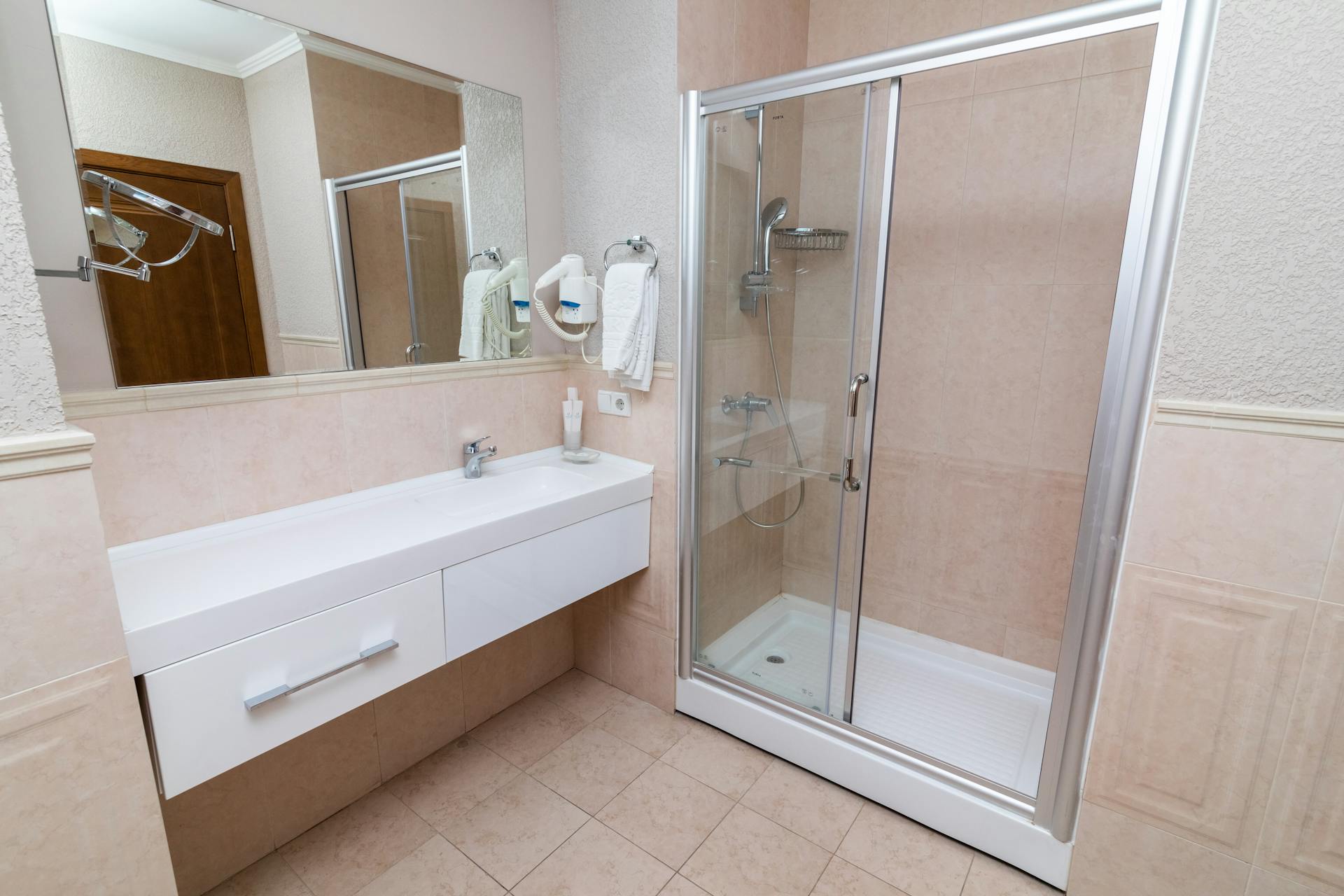
Choosing between frameless and semi frameless shower screens can significantly influence both the style and practicality of a bathroom. Understanding the differences helps homeowners make informed decisions that balance aesthetics, maintenance, and budget.
Understanding Frameless Shower Screens
Frameless designs use thick, toughened glass panels without surrounding metal frames. The panels are held together by minimal brackets or hinges, creating a seamless and modern appearance that enhances the feeling of space in the bathroom.
These screens are often chosen for their sleek look and durability. Without bulky frames, they are easier to clean, as there are fewer crevices where soap scum and mold can accumulate. However, they typically require professional installation and a higher upfront investment due to the glass thickness and precision fittings.
Exploring Semi Frameless Shower Screens
Semi frameless screens feature a slender frame around parts of the structure, usually the perimeter, while the door and main panels remain largely unframed. This design offers a middle ground between framed and frameless models.
They provide a modern look at a more accessible price point and can be easier to install. The partial framing also adds structural stability, which can be beneficial for larger enclosures or high-traffic bathrooms.
Key Factors to Compare
When deciding between the two styles, several considerations can guide the choice. Each factor plays a role in functionality, design, and long-term value.
- Maintenance:Frameless screens are easier to clean, while semi frameless models may require more attention to frame edges.
- Budget:Frameless screens are generally more expensive due to thicker glass and specialized fittings.
- Durability:Both use toughened safety glass, but frameless models rely more on precise installation for strength.
- Design flexibility:Frameless options create a minimalist aesthetic, while semi frameless versions offer subtle structure and definition.
- Installation:Frameless screens demand careful alignment, often by professionals, whereas semi frameless systems can be simpler to fit.
Balancing Aesthetics and Functionality
A frameless shower screen can make smaller bathrooms feel more open and airy, enhancing natural light flow. Semi frameless designs, on the other hand, can complement traditional or transitional interiors where a slight visual boundary suits the overall style.
In both cases, selecting quality materials and ensuring proper sealing around joints are crucial for preventing leaks and maintaining long-term performance.
Practical Considerations for Homeowners
Before finalizing a choice, it is worth assessing the daily use of the bathroom and the level of maintenance preferred. Families with children may appreciate the extra sturdiness of semi frameless screens, while those prioritizing a luxurious finish might lean toward frameless designs.
Environmental factors such as humidity and ventilation also influence longevity. Regular cleaning with gentle, non-abrasive products will help preserve clarity and prevent buildup on both types of glass.
Finding Quality Shower Screens
Homeowners exploring options can find a wide range of Shower Screens in Australia that meet various design preferences and budgets. Evaluating specifications carefully ensures the selected model provides lasting value and complements the bathroom’s overall look.
Ultimately, the decision between frameless and semi frameless shower screens depends on personal priorities, available space, and design goals. Both can elevate a bathroom’s functionality and appearance when chosen thoughtfully and maintained with care.
