
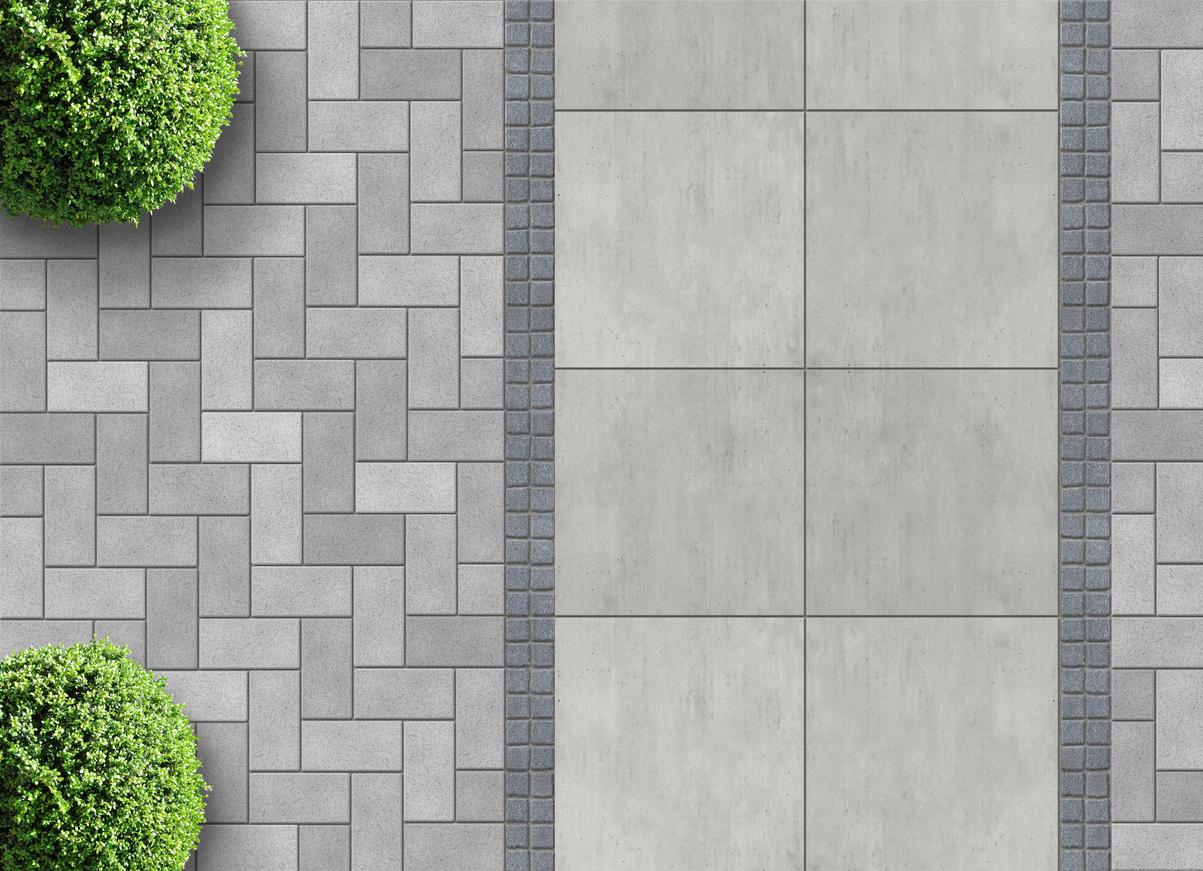
Creative design with paving stones isn’t just about laying flat surfaces – it’s an opportunity to blend artistry with resilience, especially in climates that demand durability. Whether you’re crafting a meandering garden path or a spacious entertainment patio, the right pattern, texture, and material can elevate both function and aesthetic. Modern layouts like herringbone, radial fans, or mixed-material borders offer visual rhythm while accommodating freeze-thaw movement. Choosing colours that complement your home’s exterior and integrating greenery or lighting enhances cohesion.
Table of Contents
- Why Paving Stones Outperform Concrete in Canadian Climates
- Creative Design Ideas for Patios & Walkways: Patterns, Textures & Layouts
- Choosing the Right Stone Type for Your Climate & Lifestyle
When spring finally thaws the last stubborn patch of ice, Canadian homeowners step outside not just to breathe – but to reimagine. The patio that felt cramped last summer? The walkway that disappears under snowdrifts every January? These aren’t just seasonal nuisances – they’re blank canvases. Today’s outdoor spaces are extensions of our living rooms, dining areas, and personal retreats. And more than ever, homeowners are turning to interlocking designs that marry beauty with brute resilience. For those weighing options that balance aesthetics, longevity, and climate-readiness, exploring paving stones in Calgary reveals how thoughtful material selection and pattern play can transform even the most weather-beaten yard into a year-round asset.
Why Paving Stones Outperform Concrete in Canadian Climates
If you’ve ever watched a concrete patio crack like an eggshell after its second winter, you already know: not all hardscaping materials are built for Canada’s mood swings. One day it’s +25°C with sun beating down, the next, -15°C with frost heaving the ground like a restless sleeper. Concrete? It’s rigid. Unforgiving. It doesn’t flex – it fractures. Paving stones, on the other hand, are designed to dance with the seasons.
Interlocking systems allow individual units to shift slightly without compromising the whole surface. Freeze-thaw cycles? They handle them with grace. When water seeps in and expands during a deep freeze, the joints between stones absorb the pressure – no buckling, no spiderweb cracks. And if one stone does get damaged? Pop it out. Replace it. No jackhammer. No patch job. No eyesore.
Beyond durability, there’s design freedom. Concrete gives you stamp patterns and dye jobs – paving stones give you dimension. Texture. Depth. You can mix sizes, layer tones, curve edges, or create radial bursts from a firepit. Modern patio ideas thrive on this flexibility – whether you’re going for sleek urban minimalism or rustic cottage charm.
And let’s talk longevity. A well-installed paving stone patio can easily outlive its concrete cousin by a decade or more. Maintenance? Minimal. Cleaning? A hose and occasional sweep. Sealing? Optional, depending on traffic and exposure. For backyard paving that needs to look good and survive snowplows, shovels, and summer barbecues – stones simply make more sense.
Creative Design Ideas for Patios & Walkways: Patterns, Textures & Layouts
Let’s be honest – no one falls in love with a patio because it’s “functional.” They fall in love because it feels like an invitation: to linger, to gather, to sip coffee as the sun rises or host friends under string lights. That magic? It starts with design intention. And when you’re working with walkway stones or building a full-scale paving stone patio, the creative possibilities aren’t just abundant – they’re transformative.
Herringbone & Basketweave: Classic Patterns with Lasting Appeal
Herringbone isn’t just for hardwood floors anymore. Laying paving stones in a zigzag formation creates instant visual movement – perfect for drawing the eye down a path or anchoring a seating area. It’s also one of the strongest interlocking patterns, ideal for high-traffic zones or driveways that double as guest parking.
Basketweave, meanwhile, offers a more formal, woven look – think European courtyards meets modern Canadian cottage. Alternate pairs of rectangular stones vertically and horizontally to create a checkerboard-with-depth effect. Pro tip: Use slightly darker stones for the “weft” to add shadow and dimension.
Mixed Material Borders: Blending Stone, Slab & Greenery
Why settle for one texture when you can compose a symphony? Frame your backyard paving with a border of smooth stone slabs to contrast against rugged tumbled pavers. Or soften the edges of a geometric patio by planting creeping thyme or sedum between border stones – yes, greenery can grow in your hardscape.
Another winning combo: use brick pavers as an accent band within a field of concrete pavers. The warmth of clay against cooler grey or beige tones adds subtle richness without overwhelming the space. This technique works beautifully for defining cooking zones, firepit perimeters, or step transitions.
Curved Pathways & Organic Shapes: Softening Hard Landscapes
Straight lines have their place – but curves? They invite exploration. A gently arcing walkway made of irregularly shaped stone pavers can turn a simple route to the shed into a garden journey. Use radius templates or flexible edging to guide your curves, and vary stone sizes within the path for a more natural, cobblestone feel.
For patios, consider kidney-shaped or amoeba-style layouts – especially if you’re working with mature trees or sloped terrain. These freeform designs feel organic, relaxed, and uniquely yours. Pair them with curved seating walls or built-in planters to complete the flow.
Choosing the Right Stone Type for Your Climate & Lifestyle
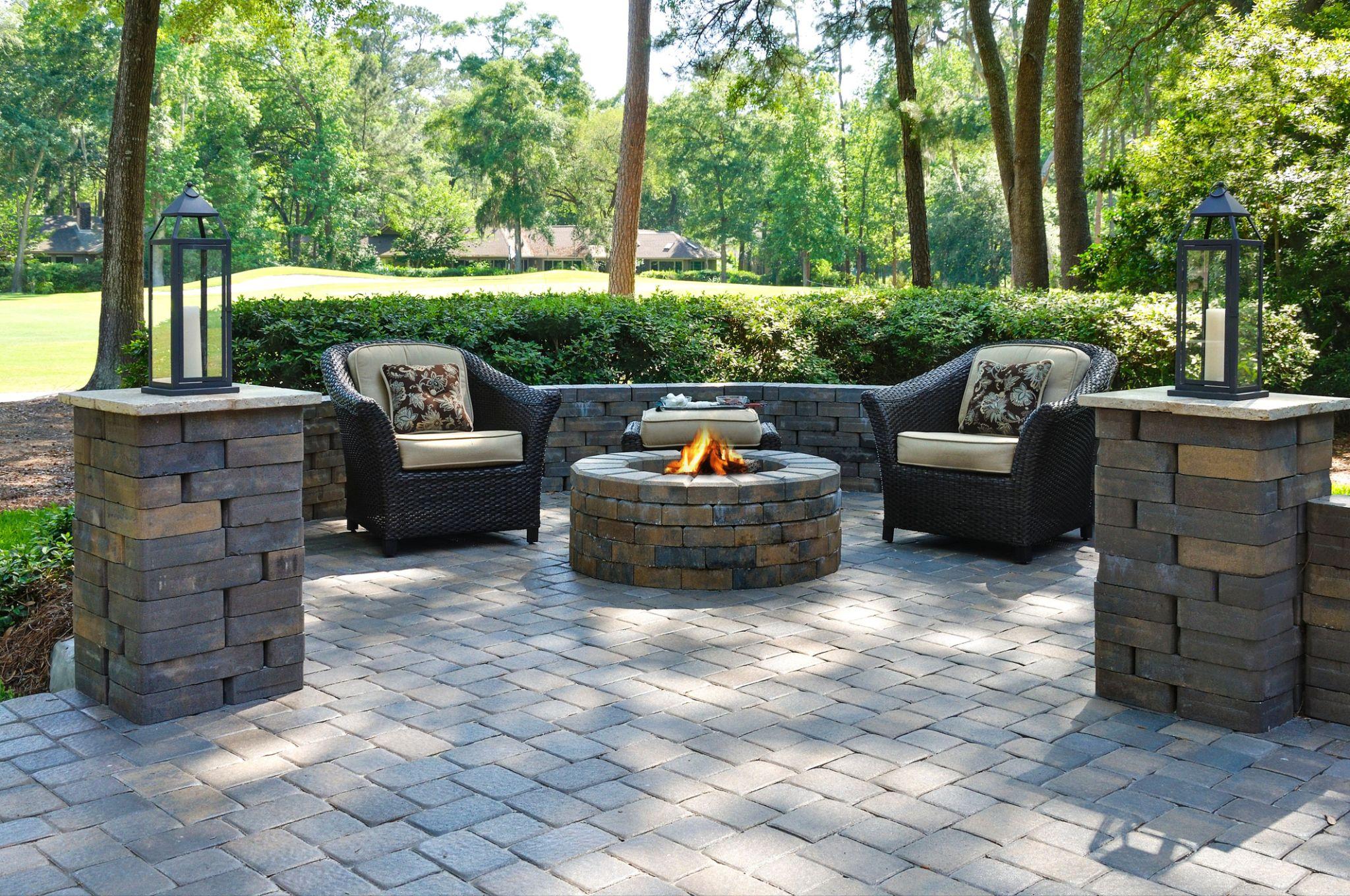
Not all stones are created equal – and that’s a good thing. Whether you’re dreaming of a sleek urban oasis or a cozy cottage retreat, the material you choose for your backyard paving will shape not just the look, but the longevity and livability of your space. Canada’s wild weather swings – icy winters, sudden downpours, blazing summer afternoons – demand more than just pretty surfaces. They demand intelligence in selection.
Concrete Pavers: The Versatile Workhorse
If you want maximum design flexibility without breaking the bank, concrete pavers are your go-to. Modern manufacturing lets them mimic everything from weathered cobblestone to smooth limestone – in nearly any hue. They’re dense, durable, and handle freeze-thaw cycles beautifully. Ideal for high-traffic patios or complex walkway stones where pattern play matters. Bonus: individual units can be lifted and replaced if stained or cracked – no full-scale demo required.
Brick Pavers: Timeless Warmth with Built-In Character
Clay brick pavers bring a heritage feel that never goes out of style. Their earthy reds, ochres, and charcoals age gracefully, developing a soft patina over time. Naturally stain-resistant and slip-resistant even when wet, they’re perfect for poolside paths or front entryways. Unlike stamped concrete, real brick won’t peel or fade – it deepens in charm. Pair them with bluestone accents or timber edging for a look that’s both classic and curated.
Natural Stone: For When Only Authenticity Will Do
Granite. Limestone. Slate. These aren’t just materials – they’re statements. Natural stone pavers offer unmatched elegance and coolness underfoot (ideal for sun-drenched patios). Each piece is unique, with veining and texture no factory can replicate. Yes, they come at a premium – but for a luxury paving stone patio meant to impress and endure, nothing compares. Just ensure your installer uses a solid base; natural stone is heavy and unforgiving if the foundation shifts.
Permeable Pavers: The Eco-Conscious Choice
Got drainage issues? Worried about runoff flooding your basement or eroding your garden? Permeable pavers are engineered with gaps or porous material that let rainwater filter through into the soil below. Perfect for sloped yards, eco-friendly builds, or municipal areas with stormwater regulations. They look no different from traditional pavers – but function like a sponge. A smart pick for future-proof backyard paving.
Rubber & Slab Options: Niche but Noteworthy
Rubber pavers – often made from recycled tires – are surprisingly chic in modern patio ideas. Soft underfoot, slip-resistant, and silent (no clacking heels!), they’re ideal for rooftop terraces, kids’ play zones, or around hot tubs. Meanwhile, large-format paving stone slabs create that sought-after “indoor-outdoor” flow – minimal joints, maximum sophistication. Best installed on perfectly graded bases to avoid tripping hazards.
| Stone Type | Best For | Climate Suitability | Maintenance Level | Style Vibe |
| Concrete Pavers | Patios, driveways, walkways | Excellent | Low | Modern, versatile |
| Clay Brick | Entryways, garden paths | Excellent | Very Low | Rustic, timeless |
| Natural Stone | High-end patios, accents | Good (needs sealing) | Moderate | Luxe, organic |
| Permeable Pavers | Sloped yards, eco-projects | Excellent | Low | Functional, green |
| Rubber Pavers | Play areas, pool decks | Good | Very Low | Contemporary, safe |
| Slab Pavers | Seamless patios, transitions | Good (base critical) | Low | Minimalist, sleek |
Final Thoughts: Design with Intention, Install with Confidence
A patio isn’t just an outdoor floor. A walkway isn’t just a path from point A to B. When you choose backyard paving that’s thoughtfully designed and properly installed, you’re not just upgrading your property – you’re crafting moments. Morning coffee in quiet sunlight. Evenings spent laughing with friends around a firepit. Kids chasing bubbles across a surface that won’t crack under their sneakers or your snowblower.
